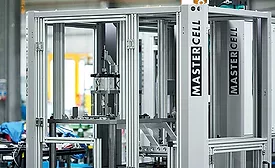
CHESTERTON, IN—EasyDial, a manufacturer of portable hemodialysis machines, has begun construction on a new 42,000-square-foot assembly plant here. To be completed in March 2018, the $21 million facility is expected to create 96 jobs.
Since 2008, 28 million cars have been recalled in the United States because they contained air bags that could explode and hurl shrapnel into drivers during even minor fender benders. Ten deaths and more than 100 injuries have been linked to the faulty air bags.
ACTON, MA—Medical device manufacturer Insulet Corp. will soon break ground on a new assembly plant here. The 195,000-square-foot factory will produce insulin pumps.
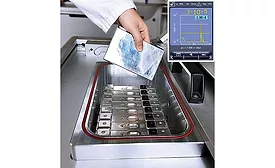
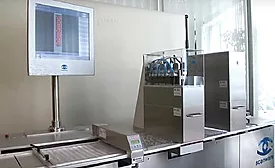
Pharmaceutical OEMs and their suppliers know all about the concept of ‘Japan quality’ products. This phrase refers to packaged pharmaceuticals that are flawless in appearance.
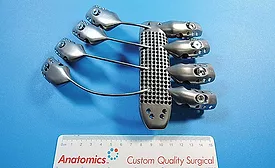
An international team of physicians and medical device engineers made medical history in October 2015 when they successfully designed, manufactured and implanted a titanium sternum and rib cage in a person for the first time.
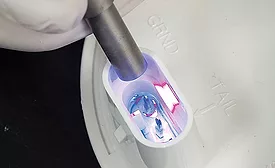
Evolving materials and equipment enable manufacturers to use UV-cure adhesives that are more versatile, cost effective and environmentally friendly than ever.
Conferences and trade shows keep people informed about the latest products, processes and technological innovations in their respective industries. For many professionals who work with UV-cure adhesives, the biennial RadTech conference and annual winter meeting are the main events to attend to stay in the know on ultraviolet technology.
Designing and building a multistation automated assembly system takes time. A simple project might take 12 to 14 weeks. A complex one could take three or four times that long.
Designing a new medical device is a bit more complicated than designing a toaster or an automotive cooling system. Besides the issues common to any product—feasibility, usability, and design for manufacture and assembly—there are also issues of biocompatibility, sterilization and FDA regulations to deal with.
Methicillin-resistant Staphylococcus aureus (MRSA) is a bacterium responsible for many hard-to-treat and life-threatening infections, including pneumonia and blood poisoning. MRSA is especially troublesome in hospitals, prisons and nursing homes, where patients with open wounds, invasive devices and weakened immune systems are at greater risk of infection.