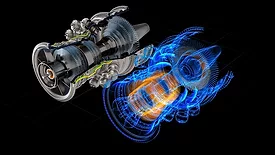
Digital twins, once a concept of speculative fiction, are now essential in manufacturing and quality control. These virtual replicas of physical assets enable organizations to simulate and optimize processes, allowing for precise predictions and error detection far beyond traditional trial-and-error methods.
Advanced ultrasonic testing solutions must keep pace with these new challenges while maintaining the rigorous quality control standards that ensure aircraft safety.
Aerospace components, varying in shape, size, and material, require specialized inspection methods to ensure quality and safety due to the diverse manufacturing processes involved. Automated Ultrasonic Testing (UT) systems enhance efficiency and defect detection, but effective scanner control, inspection planning, and results analysis are essential to maximize their benefits.
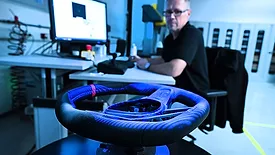
A recent MIT Technology Review survey revealed that 64% of manufacturers are exploring AI to enhance product quality. With rising consumer demands and regulatory challenges, improving efficiency in quality control is crucial. Traditional inspection methods struggle with human error and scalability, limiting effective defect detection.
Companies face a pivotal decision when choosing a machine vision system: develop in-house or partner with a system integrator. Balancing control and expertise against potential challenges is essential, and key factors like expertise, time, budget, and complexity must be evaluated.
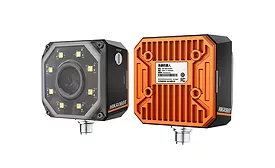
Hikrobot smart cameras from Absolute Gauge Technologies are compact, all-in-one machine vision systems for image acquisition, processing, storage and communication.
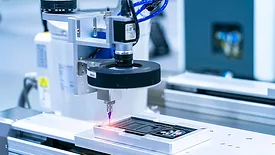
In battery cell production, maintaining high quality and reducing material waste is crucial. Digital image processing and machine vision solutions enable reliable defect detection, ensuring the production of safe, high-quality battery cells for electric mobility.
 RSS
RSS