Assembly Magazine logo
search
Ask ASSEMBLY AI
cart
facebook twitter linkedin youtube
  • Sign In
  • Create Account
  • Sign Out
  • My Account
Assembly Magazine logo
  • TRENDS
    • Ask ASSEMBLY AI
    • Trends
    • News
    • New Products
  • INDUSTRIES
    • Aerospace
    • Appliance
    • DFMA Assembly
    • Medical Devices
    • Green Manufacturing
    • Lean Manufacturing
    • Machinery Assembly
    • Electronics Assembly
    • Automotive
  • TECHNOLOGIES
    • Adhesives & Dispensing
    • Assembly Presses
    • Automated Assembly Systems
    • Manufacturing Management
    • Manufacturing Software
    • Motion Control
    • Screwdriving & Riveting
    • Robotics
    • Test & Inspection
    • Plastics & Metal Welding
    • Wire Processing
    • Workstations
  • AUTONOMOUS & ELECTRIC MOBILITY
    • AEM Magazine Archives
    • Autonomy
    • Electrification
    • Mobility Services
    • Assembly & Testing
    • AV/EM News
  • MEDIA
    • Ask ASSEMBLY AI
    • Podcasts
    • Assembly News Now
    • Assembly TV
    • Webinars
    • eBooks
  • EVENTS
    • Calendar
    • The ASSEMBLY Show
  • MORE
    • Exclusives >
      • Plant of the Year
      • Capital Spending
    • Buyers Guide >
      • Supplier Insights
    • Classifieds
    • Featured Products
    • Newsletters
    • Store
    • White Papers
    • Columns
    • Sponsor Insights
  • INFOCENTER
    • Assembly & Test Solutions
  • EMAGAZINE
    • eMagazine
    • Archive Issues
    • Advertise
    • Contact Us
    • Sign Up
Columns

Editorial: Close the Loop

By Don Hegland
September 1, 2002
Manufacturing companies have traditionally been much more focused on making and marketing products than on what to do with them at the end of their useful lives. Disposing of old cars, dead appliances and obsolete electronics products was, for the most part, someone else’s problem.

Today, driven mainly by environmental concerns and given force of law through legislative action, manufacturers are increasingly being held responsible for their products from cradle to well beyond the grave. Europe, Japan and the Scandinavian countries seem to have the most stringent regulations in place right now, but the movement to hold manufacturers responsible for end-of-life recycling is rapidly gaining momentum in the United States.

Writing in IEEE Spectrum recently, Alec Appelbaum reports that the European Union will soon issue a Waste from Electrical and Electronic Equipment directive, requiring manufacturers to take obsolete machines back for free and to recycle 65 percent of their average weight. Consumers in Japan have paid a small fee to recycle TVs, washing machines, refrigerators and air conditioners since April 2001. Japan’s Law for Recycling of Specific Kinds of Appliances may be extended to PCs in fiscal 2003. In the United States, a consortium called the National Electronic Product Stewardship Initiative recently announced a commitment to a regime in which some purchase-related charges would fund recycling. The consortium is comprised of 12 manufacturers, Microsoft, Sun Microsystems and the Electronic Industries Alliance.

Terrence J. McManus, director of environmental health and safety at Intel Corp. (Santa Clara, CA), considers it essential to eliminate lead and halogenated materials from Intel products and packaging. Even though the amount of lead in electronics products appears infinitesimal compared with that in other products, he says, "Electronics are becoming so ubiquitous that we should be concerned about any lead that enters the environment unmanaged." Because so many electronics parts end up in landfills, Intel helped launch the Students Recycling Used Technology initiative, in which students refurbish old computer equipment. The program diverted an estimated 50,000 pounds of electronic waste from landfills in its first year of operation.

Sustainable development is an environmentalist mantra, and closing the product loop is one of the principal keys to sustainable development. Whether dealing with waste is an economic issue or an environmental issue is moot; the two issues are inseparable and manufacturers will have to deal with both.

If you are near the end of your career, you may not be greatly affected by the challenge of end-of-product-life disassembly, unless you choose to consult in this field after you retire—a potentially lucrative postretirement activity! But if you are near the beginning of your career, you can probably expect to invest a significant amount of your professional time dealing with the challenge of closing the loop.

Looking for quick answers on assembly and manufacturing topics? Try Ask ASM, our new smart AI search tool. Ask ASM →

Share This Story

Looking for a reprint of this article?
From high-res PDFs to custom plaques, order your copy today!

Editorial Director Emeritus

Recommended Content

JOIN TODAY
To unlock your recommendations.

Already have an account? Sign In

  • Made in the U.S.A.

    Consumer Products Manufacturing: Made in the USA

    Supply chain lessons learned during the coronavirus...
    Automated Assembly Systems
    By: Austin Weber
  • Best Practices for Press-Fit Assembly

    Best Practices for Press-Fit Assembly

    In manufacturing, ironclad formulas for success are hard...
    Assembly Presses
    By: Jim Camillo
  • aem0523leader-tesla1.jpg

    Tesla Rethinks the Assembly Line

    Engineers at Tesla Inc. have developed a new process that...
    Automotive Assembly
    By: Austin Weber
Manage My Account
  • eMagazine Subscription
  • Assembly Newsletters
  • Online Registration
  • Subscription Customer Service
  • Manage My Preferences

More Videos

Sponsored Content

Sponsored Content is a special paid section where industry companies provide high quality, objective, non-commercial content around topics of interest to the ASSEMBLY audience. All Sponsored Content is supplied by the advertising company and any opinions expressed in this article are those of the author and not necessarily reflect the views of ASSEMBLY or its parent company, BNP Media. Interested in participating in our Sponsored Content section? Contact your local rep!

close
  • ultrasonic welding
    Sponsored bySonobond Ultrasonics

    Engineering Efficiency in High-Performance Assembly: How Ultrasonic Welding Enhances Throughput, Reliability and Quality

  • UV curing system
    Sponsored byDymax

    Why UV Intensity Alone Doesn’t Define Curing Performance

  • wooden pallets
    Sponsored byLEAN Manufacturing Products

    Eliminating Waste on the Shop Floor: Applying Lean Principles to Improve Manufacturing Efficiency

Popular Stories

ASSEMBLY News Now, episode-30: Volvo Redesigns EV Manufacturing

Volvo Redesigns EV Manufacturing

Boeing CEO Kelly Ortberg announces 1 billion investment

Boeing Plans $1 Billion Wichita Investment, Workforce Training Center

automated consumer goods assembly system

Best Practices for Cycle Time Optimization

Watch the latest episode of ANN now!

Events

July 24, 2025

From Shop Floor to CFO: How Manufacturers Are Closing the Loop Between Operations and Finance

On Demand Learn how manufacturers are bridging the gap between the shop floor and ERP systems to gain real-time visibility, streamline operations, and kick-start digital transformation—without waiting years.

Sponsored by:

PicoStratusGreen
July 30, 2025

Buffer Analysis and Design Fundamentals for Manufacturing Excellence

On Demand In this presentation, Dr. Herman Tang shares practical insights from his industry experience and research on buffer management in manufacturing operations.

View All Submit An Event

Poll

Difficult Assembly Processes

Which assembly process gives you the most difficulty?
View Results Poll Archive

Products

Manufacturing Cost Policy Deployment (MCPD) Profitability Scenarios: Systematic and Systemic Improvement of Manufacturing Costs

Manufacturing Cost Policy Deployment (MCPD) Profitability Scenarios: Systematic and Systemic Improvement of Manufacturing Costs

See More Products
Register for webinar - Modernizing Automotive Assembly: Why Upgrading Legacy MES is a Business Imperative

Related Articles

  • Closing the Loop on Robotic Grasping

    Closing the Loop on Robotic Grasping

    See More
  • Leading Lean: Close the Knowledge Gap

    See More
  • Kurt Kelty, vice president of battery, propulsion and sustainability at General Motors, assembles an EV battery pack.

    GM Battery Exec Gets an Up-Close Look at the Assembly Process

    See More

Related Products

See More Products
  • foreman.jpg

    The Foreman on the Assembly Line

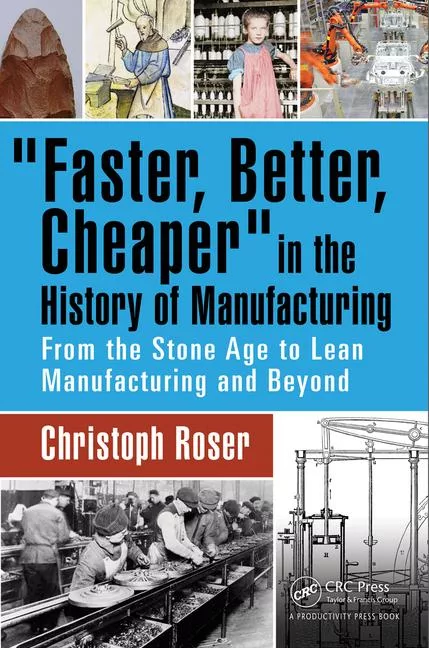
  • history.jpg

    Faster, Better, Cheaper in the History of Manufacturing: From the Stone Age to Lean Manufacturing and Beyond

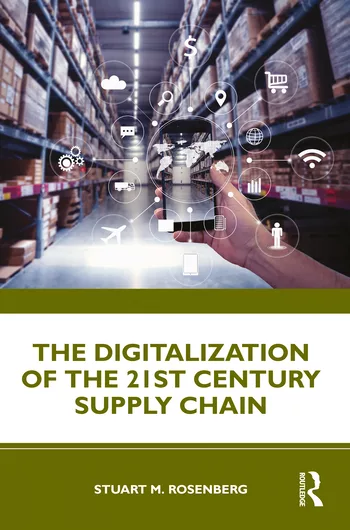
  • digitalization.jpg

    The Digitalization of the 21st Century Supply Chain

See More Products

Events

View AllSubmit An Event
  • July 24, 2025

    From Shop Floor to CFO: How Manufacturers Are Closing the Loop Between Operations and Finance

    On Demand Learn how manufacturers are bridging the gap between the shop floor and ERP systems to gain real-time visibility, streamline operations, and kick-start digital transformation—without waiting years.Sponsored by:
View AllSubmit An Event
×

Never miss the latest news and trends driving the manufacturing industry

Stay in the know on the latest assembly trends.

JOIN TODAY!
  • RESOURCES
    • Advertise
    • Contact Us
    • Directories
    • Manufacturing Division
    • Store
    • Want More?
  • SIGN UP TODAY
    • Create Account
    • eMagazine
    • Newsletters
    • Customer Service
    • Manage Preferences
  • SERVICES
    • Marketing Services
    • Reprints
    • Market Research
    • List Rental
    • Survey/Respondent Access
  • STAY CONNECTED
    • LinkedIn
    • Facebook
    • Instagram
    • YouTube
    • X (Twitter)
  • PRIVACY
    • PRIVACY POLICY
    • TERMS & CONDITIONS
    • DO NOT SELL MY PERSONAL INFORMATION
    • PRIVACY REQUEST
    • ACCESSIBILITY

Copyright ©2026. All Rights Reserved BNP Media, Inc. and BNP Media II, LLC.

Design, CMS, Hosting & Web Development :: ePublishing