Assembly Magazine logo
search
Ask ASSEMBLY AI
cart
facebook twitter linkedin youtube
  • Sign In
  • Create Account
  • Sign Out
  • My Account
Assembly Magazine logo
  • TRENDS
    • Ask ASSEMBLY AI
    • Trends
    • News
    • New Products
  • INDUSTRIES
    • Aerospace
    • Appliance
    • DFMA Assembly
    • Medical Devices
    • Green Manufacturing
    • Lean Manufacturing
    • Machinery Assembly
    • Electronics Assembly
    • Automotive
  • TECHNOLOGIES
    • Adhesives & Dispensing
    • Assembly Presses
    • Automated Assembly Systems
    • Manufacturing Management
    • Manufacturing Software
    • Motion Control
    • Screwdriving & Riveting
    • Robotics
    • Test & Inspection
    • Plastics & Metal Welding
    • Wire Processing
    • Workstations
  • AUTONOMOUS & ELECTRIC MOBILITY
    • AEM Magazine Archives
    • Autonomy
    • Electrification
    • Mobility Services
    • Assembly & Testing
    • AV/EM News
  • MEDIA
    • Ask ASSEMBLY AI
    • Podcasts
    • Assembly News Now
    • Assembly TV
    • Webinars
    • eBooks
  • EVENTS
    • Calendar
    • The ASSEMBLY Show
  • MORE
    • Exclusives >
      • Plant of the Year
      • Capital Spending
    • Buyers Guide >
      • Supplier Insights
    • Classifieds
    • Featured Products
    • Newsletters
    • Store
    • White Papers
    • Columns
    • Sponsor Insights
  • INFOCENTER
    • Assembly & Test Solutions
  • EMAGAZINE
    • eMagazine
    • Archive Issues
    • Advertise
    • Contact Us
    • Sign Up
IndustriesAutonomous & Electric MobilityAutomotive AssemblyElectrification

Sensors Play an Important Role in Battery Management Systems
By Austin Weber
aem0223insight1.jpg

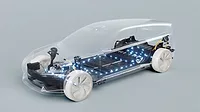
Sensors used in battery management systems monitor their health and performance to help make electric vehicles safer. Illustration courtesy Honeywell International Inc.
aem0223insight2.jpg

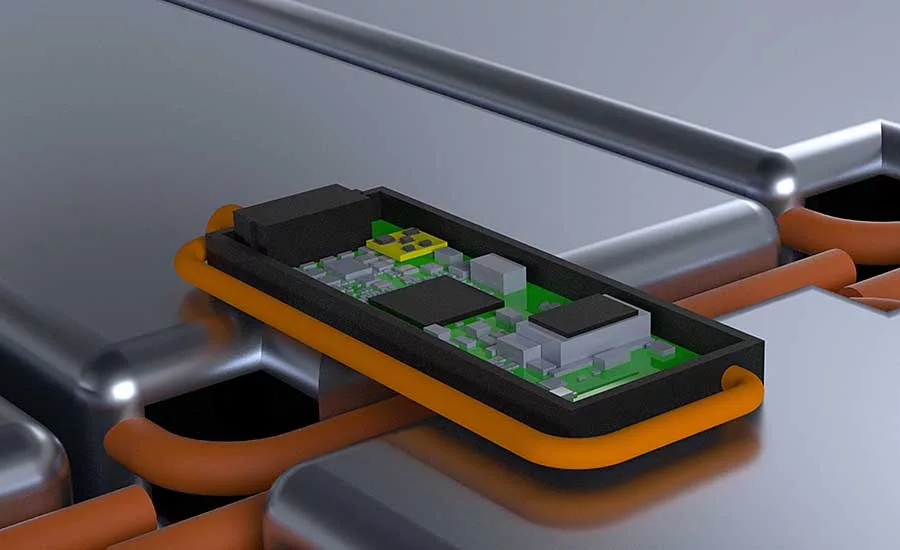
Sensors play an important role in thermal management and battery safety, because their functionality can determine temperature regulation issues such as overheating. Illustration courtesy Honeywell International Inc.
aem0223insight3.jpg

New sensing technology for EV battery safety helps prevent conditions that lead to thermal runaway. Photo courtesy Honeywell International Inc.

aem0223insight1.jpg
aem0223insight2.jpg
aem0223insight3.jpg
February 17, 2023

Fires are a risk in lithium-ion batteries, because they’re sensitive to high operating temperatures and are inherently flammable. Battery packs tend to degrade much faster due to heat. If a battery fails, it can burst into flames and cause widespread damage.

However, sensors used in battery management systems can monitor their health and performance to help make electric vehicles safer.

One of the companies at the forefront of developing state-of-the-art sensors is Honeywell International Inc. The company is a leading supplier to both the automotive and aerospace industries. It supplies EV manufacturers with aluminum brazing fluxes, corrosion protection fluorides, and thermal management systems for batteries and power electronics.

In 2020, Honeywell formed a strategic partnership with Nexceris to address lithium-ion battery system safety for energy storage applications. It combines Honeywell’s very early warning smoke detection system and Li-ion Tamer gas detection technology from Nexceris.

"As the world transitions to electric-powered vehicles, automakers are faced with the need to provide lithium-ion batteries that function properly and safely during all stages of their lifecycle,” says Victor Verissimo, general manager of the transportation line of business at Honeywell Sensing and Safety Technologies. “We are supporting this transition with ready-now products to help our customers mitigate safety risks as they expand their EV portfolios.

“By collaborating with Nexceris to develop an enhanced suite of battery monitoring sensors, we will help automotive manufacturers strengthen their battery health monitoring systems with the ability to detect thermal runaway conditions even earlier,” claims Verissimo.

Autonomous and Electric Mobility recently asked Verissimo to explain why thermal management is critical to EV performance.

Looking for quick answers on assembly and manufacturing topics? Try Ask ASM, our new smart AI search tool. Ask ASM →


AEM: What is “thermal runaway”? How does it affect the performance of lithium-ion batteries?

Verissimo: Thermal runaway is one of the main safety risks associated with the use of lithium-ion batteries. It is a phenomenon that causes extremely high temperatures within the battery cell where it no longer functions properly and may eventually lead to vehicle failure, smoke and fire. It can be caused by a variety of factors, including internal defects, an external short circuit or over-charging.


AEM: Why is thermal management a critical issue in EVs?

Verissimo: Thermal management extends the life of batteries and impacts the overall drivability and safety of electric vehicles. Batteries can go into thermal runaway while the vehicle is being operated or when a car is parked and unattended, which is why proper battery safety sensing technology is critical. Without it, the vehicle becomes at risk for fire hazards.


AEM: What makes thermal management challenging?

Verissimo: Thermal management or battery safety sensing can be challenging because not all lithium-ion batteries are manufactured the same. Across manufacturers, lithium-ion batteries can be made using various chemistries and formulas, which means different concentrations of gases may be released prior to thermal runaway. This is referred to as off-gassing. This requires advanced sensing technology to detect those harmful gases at early stages.

Through our partnership with Nexceris, we have a proprietary solution that can detect conditions that lead to thermal runaway and help solve this challenge, regardless of the makeup of the battery and its thermal runaway profiles.


AEM: How do sensors help address thermal management issues in EVs?

Verissimo: Sensors play an important role in thermal management and battery safety, because their functionality can determine temperature regulation issues such as overheating or off-gassing from the lithium-ion batteries powering EVs.

In the U.S., there are regulations pending that would require electric vehicle manufactures to provide drivers with a minimum five-minute warning to exit the vehicle in the case of a thermal event in the battery. Putting these sensors into EV batteries proactively helps protect the life cycle of the battery and, ultimately, keeps people safe. Through our collaboration with Nexceris, we will help automakers strengthen their battery health monitoring systems with the ability to detect thermal runaway conditions at early stages.


AEM: What new types of sensors has Honeywell developed specifically for EV thermal management?

Verissimo: In partnership between Honeywell and Nexceris, this new sensing technology for EV battery safety helps prevent conditions that lead to thermal runaway, as well as other lithium-ion battery issues, to help protect the lifecycle of the battery, prevent car breakdowns and other safety hazards.


AEM: What other types of EV battery management sensors does Honeywell produce?

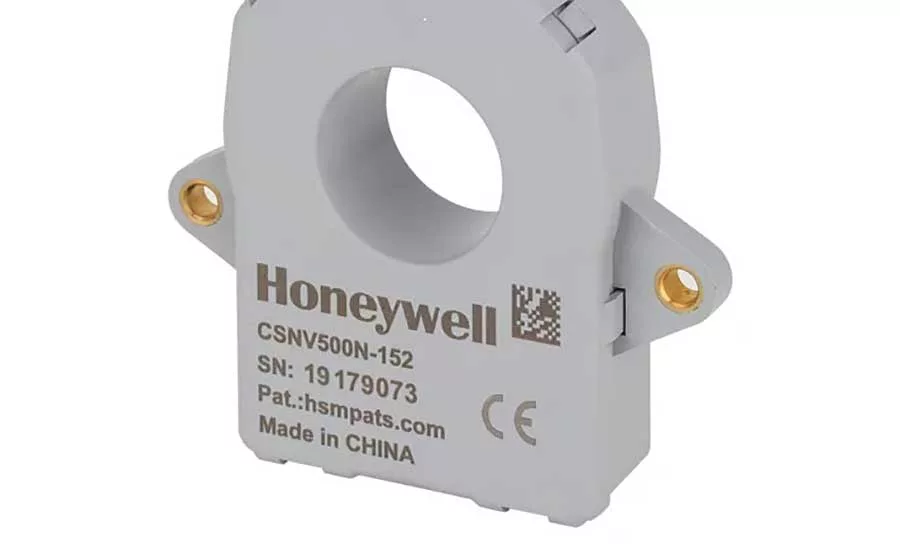
Verissimo: This new sensing technology extends our existing battery safety portfolio, which includes automotive-grade pressure and aerosol sensors that detect thermal runaway. We also produce high-amperage current sensors used in battery management systems, which monitor conditions related to the state of charge and state of health of the EV battery. These sensors enable the safe operation of EVs and improve battery life and vehicle performance, thereby allowing vehicle manufacturers to optimize driving range.

We also have a wide portfolio of gas detection devices for use in EV battery manufacturing facilities to protect workers from exposure to harmful, toxic and flammable gases.


AEM: Are these sensors any different than devices used in traditional ICE vehicles?

Verissimo: While internal combustion engine vehicles do not require lithium-ion battery sensors, sensing technology is still critical to the safety and operation of the vehicle. For example, both battery and ICE vehicles rely on sensors to optimize motion, position and speed over various temperature ranges.

KEYWORDS: electric vehicle battery electric vehicles sensors

Share This Story

Looking for a reprint of this article?
From high-res PDFs to custom plaques, order your copy today!

Austinweber headshot
Austin has been senior editor for ASSEMBLY Magazine since September 1999. He has more than 21 years of b-to-b publishing experience and has written about a wide variety of manufacturing and engineering topics. Austin is a graduate of the University of Michigan.

Recommended Content

JOIN TODAY
To unlock your recommendations.

Already have an account? Sign In

  • Made in the U.S.A.

    Consumer Products Manufacturing: Made in the USA

    Supply chain lessons learned during the coronavirus...
    Automated Assembly Systems
    By: Austin Weber
  • Best Practices for Press-Fit Assembly

    Best Practices for Press-Fit Assembly

    In manufacturing, ironclad formulas for success are hard...
    Assembly Presses
    By: Jim Camillo
  • aem0523leader-tesla1.jpg

    Tesla Rethinks the Assembly Line

    Engineers at Tesla Inc. have developed a new process that...
    Automotive Assembly
    By: Austin Weber
Manage My Account
  • eMagazine Subscription
  • Assembly Newsletters
  • Online Registration
  • Subscription Customer Service
  • Manage My Preferences

More Videos

Sponsored Content

Sponsored Content is a special paid section where industry companies provide high quality, objective, non-commercial content around topics of interest to the ASSEMBLY audience. All Sponsored Content is supplied by the advertising company and any opinions expressed in this article are those of the author and not necessarily reflect the views of ASSEMBLY or its parent company, BNP Media. Interested in participating in our Sponsored Content section? Contact your local rep!

close
  • ultrasonic welding
    Sponsored bySonobond Ultrasonics

    Engineering Efficiency in High-Performance Assembly: How Ultrasonic Welding Enhances Throughput, Reliability and Quality

  • UV curing system
    Sponsored byDymax

    Why UV Intensity Alone Doesn’t Define Curing Performance

  • wooden pallets
    Sponsored byLEAN Manufacturing Products

    Eliminating Waste on the Shop Floor: Applying Lean Principles to Improve Manufacturing Efficiency

Popular Stories

ASSEMBLY News Now, episode-30: Volvo Redesigns EV Manufacturing

Volvo Redesigns EV Manufacturing

Boeing CEO Kelly Ortberg announces 1 billion investment

Boeing Plans $1 Billion Wichita Investment, Workforce Training Center

GE Appliances Worker on Line

GE Appliances Expands Factory AI With 800 Gemini Enterprise Agents

Watch the latest episode of ANN now!

Events

July 24, 2025

From Shop Floor to CFO: How Manufacturers Are Closing the Loop Between Operations and Finance

On Demand Learn how manufacturers are bridging the gap between the shop floor and ERP systems to gain real-time visibility, streamline operations, and kick-start digital transformation—without waiting years.

Sponsored by:

PicoStratusGreen
July 30, 2025

Buffer Analysis and Design Fundamentals for Manufacturing Excellence

On Demand In this presentation, Dr. Herman Tang shares practical insights from his industry experience and research on buffer management in manufacturing operations.

View All Submit An Event

Poll

Difficult Assembly Processes

Which assembly process gives you the most difficulty?
View Results Poll Archive

Products

Manufacturing Cost Policy Deployment (MCPD) Profitability Scenarios: Systematic and Systemic Improvement of Manufacturing Costs

Manufacturing Cost Policy Deployment (MCPD) Profitability Scenarios: Systematic and Systemic Improvement of Manufacturing Costs

See More Products
Register for webinar - Modernizing Automotive Assembly: Why Upgrading Legacy MES is a Business Imperative

Related Articles

  • aem0523adhesive1.jpg

    Adhesive Tapes Play an Important Role in EV Assembly

    See More
  • CopperVolvo.jpg

    Copper to Play an Important Role in EV Production

    See More
  • grapheneweb.webp

    Graphene to Become an Important EV Battery Material

    See More

Related Products

See More Products
  • Welding and Joining of Aerospace Materials, 1st Edition

  • 4 perspective.jpg

    Handbook of Manufacturing Systems and Design: An Industry 4.0 Perspective

  • digital.jpg

    Digital Manufacturing and Assembly Systems in Industry 4.0

See More Products

Related Directories

  • Lincode Labs Inc.

    Lincode plays an important role in the QA of manufacturing industries by solving their quality inspection problems and enabling end-to-end quality inspection at ease using DeepTech. Lincode provides an affordable, best-of-breed and hassle-free quality inspection platform that can help you achieve 100% inspection efficiency.
×

Never miss the latest news and trends driving the manufacturing industry

Stay in the know on the latest assembly trends.

JOIN TODAY!
  • RESOURCES
    • Advertise
    • Contact Us
    • Directories
    • Manufacturing Division
    • Store
    • Want More?
  • SIGN UP TODAY
    • Create Account
    • eMagazine
    • Newsletters
    • Customer Service
    • Manage Preferences
  • SERVICES
    • Marketing Services
    • Reprints
    • Market Research
    • List Rental
    • Survey/Respondent Access
  • STAY CONNECTED
    • LinkedIn
    • Facebook
    • Instagram
    • YouTube
    • X (Twitter)
  • PRIVACY
    • PRIVACY POLICY
    • TERMS & CONDITIONS
    • DO NOT SELL MY PERSONAL INFORMATION
    • PRIVACY REQUEST
    • ACCESSIBILITY

Copyright ©2026. All Rights Reserved BNP Media, Inc. and BNP Media II, LLC.

Design, CMS, Hosting & Web Development :: ePublishing