New Adhesives for Medical Device Assembly
Increasing demand for wearable devices is forcing suppliers to innovate.
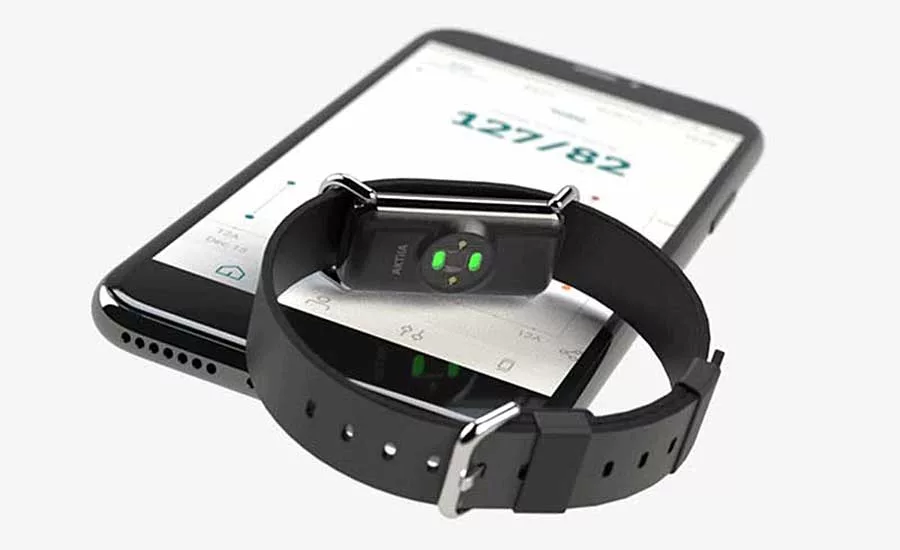
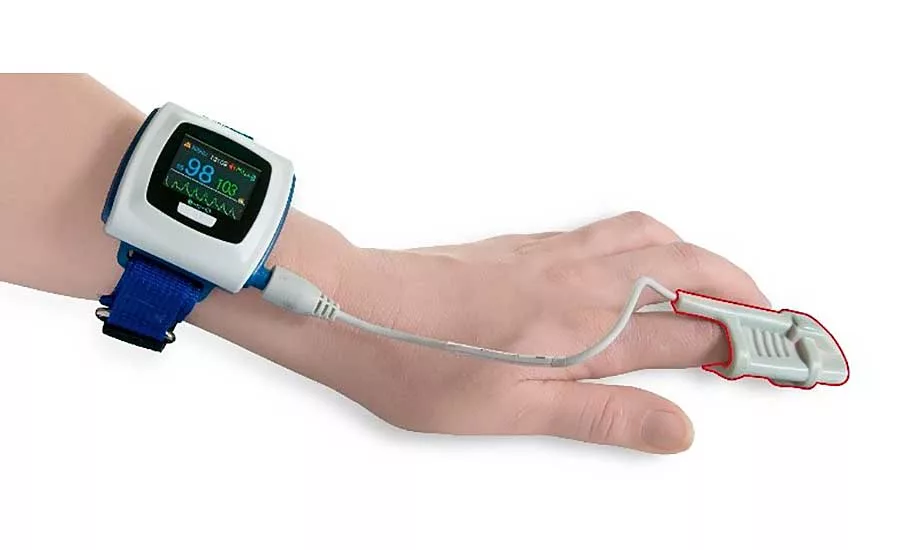
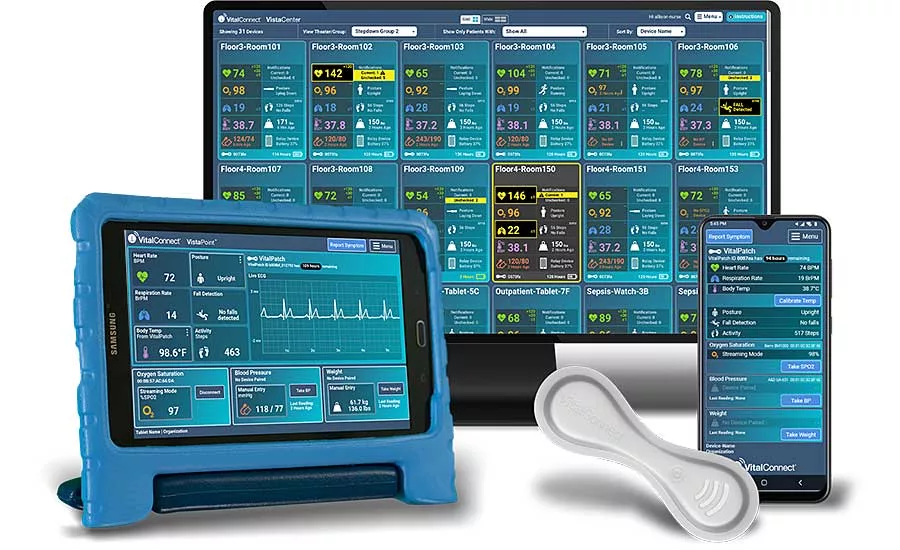
The Covid pandemic has increased demand for wearable medical devices that can be used for remote monitoring and diagnostics applications. That’s good news for adhesive suppliers that provide biocompatible materials for joining or sealing plastic and fabric parts. But, it also poses a variety of new challenges, especially when devices come in close contact with a patient’s skin or any type of moisture.
Wearable medical devices include footwear, headbands, patches, pendants, watches and wristbands equipped with sensors. They are capable of measuring biological signs using acoustic, electrical, optical and thermal components.
Medical wearables are finding broader acceptance among a large number of medical practitioners for continuous health monitoring outside of traditional settings. The products rely on advanced algorithms to facilitate automated prediction, prevention and intervention.
The recent popularity of smartphones and wireless technology has made it easier and safer for healthcare professionals to monitor cardiovascular functions and vital signs such as blood pressure, body temperature, breathing rate, heart rate, oxygen saturation and respiratory rate. Other important parameters, such as gait assessment and postural analysis, can also be monitored remotely with wearable devices.
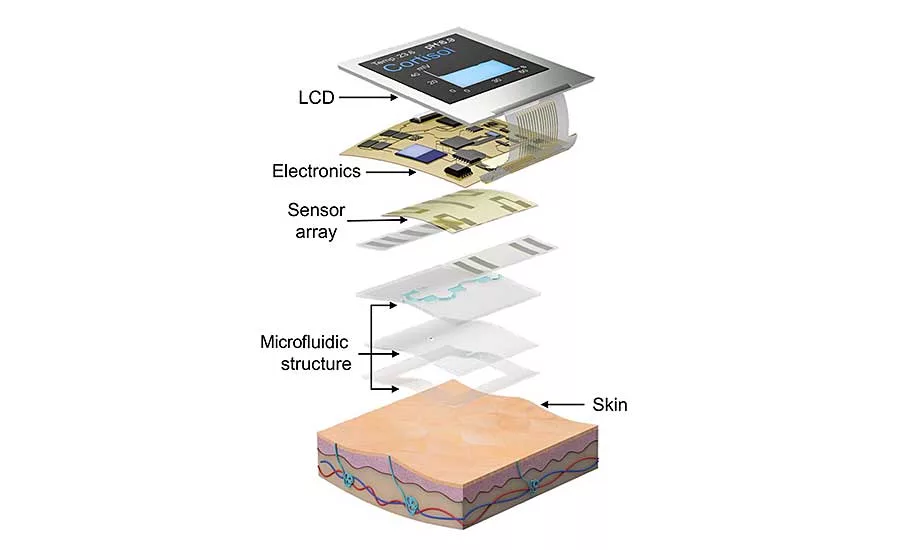
“We’re entering the era of point-of-person monitoring, where instead of going to a doctor to get checked out, the doctor is basically always with us,” says Sam Emaminejad, Ph.D., an associate professor of electrical and computer engineering at the University of California, Los Angeles, who recently developed a wearable device that measures cortisol levels. “The data are collected, analyzed and provided right on the body, giving us real-time feedback to improve our health and well-being.”
Today, the wearables market is one of the hottest segments of the medical device industry. Numerous startups are scrambling to develop products to compete against industry giants such as Abbott, Medtronic and Philips Healthcare. In fact, a recent study published by Global Industry Analysts Inc. predicts that the wearable device market will grow 16 percent annually over the next four years to reach $39 billion by 2026.
“Wearables have been around for more than a decade, but Covid has expedited the adoption of them, especially on the diagnostics side of things with telemedicine,” says Michael Ford, global medical business development director at Dymax Corp. “Continuous glucose monitors used to treat diabetes are a great example.
Looking for quick answers on assembly and manufacturing topics? Try Ask ASM, our new smart AI search tool. Ask ASM
“The popularity of consumer devices, such as the Apple Watch, is driving demand for wearable medical devices,” explains Ford. “However, manufacturers face many challenges.
“Wearables encapsulate electronics and sensors that must be packaged to withstand the rigors of daily use,” Ford points out. “For instance, how does the product withstand perspiration, water and other types of moisture?”
Skin irritation and sensitivity must be addressed, in addition to issues such as outgassing. Adhesives need to be compatible with ISO 10993-10 for sensitization and irritation, as well as ISO 10993-5 for cytotoxicity.
External housings are typically made out of ABS and polycarbonates, in addition to polypropylenes and polyurethanes.
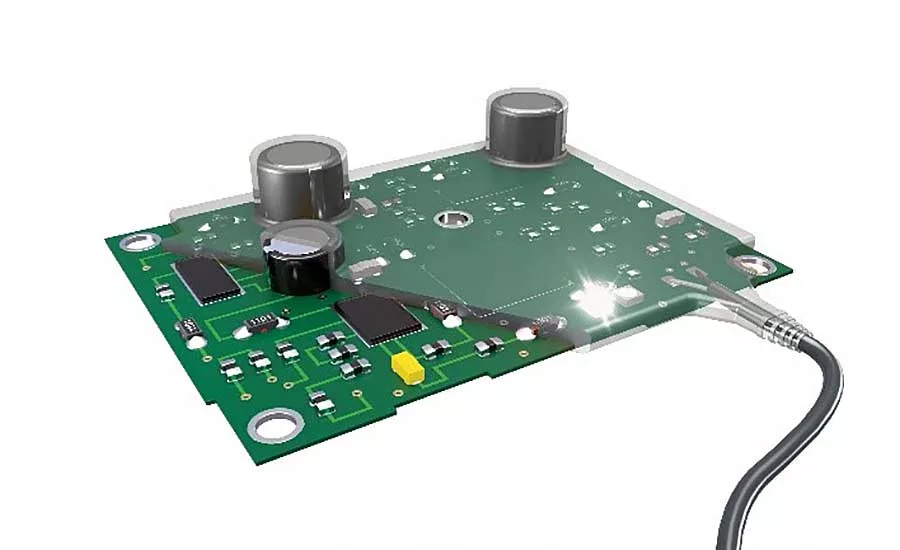
“It gets really interesting on the inside of wearable devices, because there’s a lot of sensitive electronics and printed circuit boards,” says Ford. “That’s why you see a lot of polyimides used. Light-curing adhesives are popular for many wearable applications, because they’re easy to work with.”
Other types of adhesives, such as cyanoacrylates and epoxies, are also used for assembling a variety of medical devices.
“Demand for wearables will continue to grow in the future, as devices shrink in size and become less cumbersome to wear,” says Richard Golebiewski, sales and marketing director at Panacol-USA Inc. “However, there’s still a big demand for other types of plastic medical products that are assembled with adhesives, such as catheters, heart valves and various types of drug delivery devices.
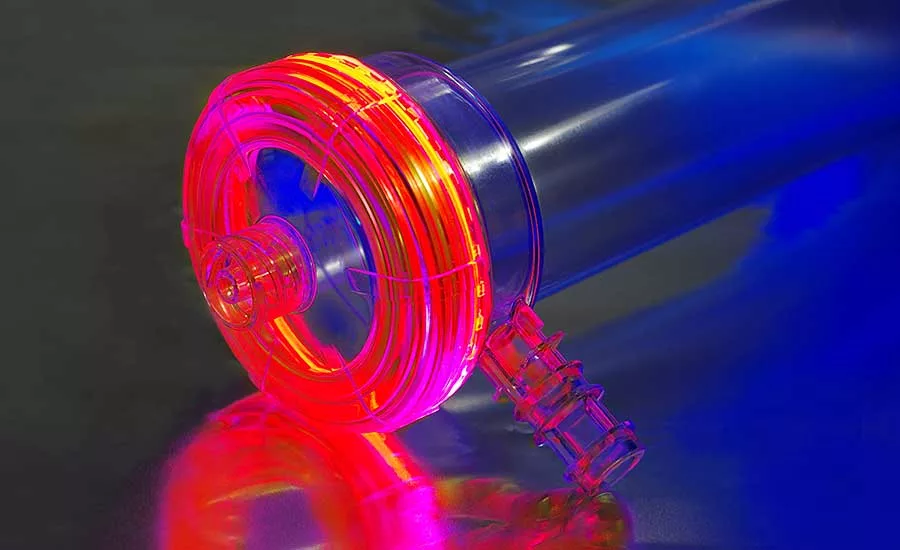
“Advances in extruded tubing options have created the need for adhesives that produce higher strength bonds with lower standard deviation,” explains Golebiewski. “We recently developed a new series of adhesives that are formulated to address today’s challenges of minimally invasive device assembly. MID adhesives feature consistent curing cycles for tighter process control and orange fluorescing for high visibility during visual inspection.”
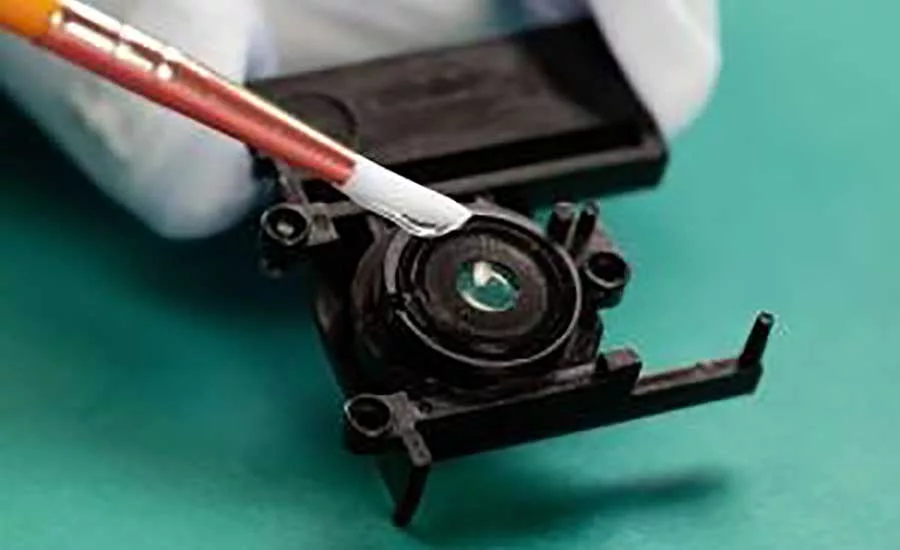
“We see more demand today for adhesives that can be used in optical applications, such as medical devices that use cameras, fiber optics or lasers,” adds Barry Siroka, business development manager at EpoxySet Inc. “Two-part epoxies are popular, because they are non-yellowing and provide clarity.”
For instance, Flashbond UV-6502CL is a high-strength epoxy that’s designed for assembling opto-electronics. The low viscosity, light curable adhesive features low cure shrinkage and high clarity.
Another EpoxySet product that is optically clear is UV-8504E, which has been approved for biocompatibility. According to Siroka, it is a fast-curing epoxy that features good surface wetting and bonds to a variety of substrates, including acrylic, ceramics, glass and polycarbonate.
New Products
Engineers can choose a variety of innovative products that make it easier than ever to use adhesive to assemble medical devices.
For instance, Dymax recently introduced the 2000-MW series of light-curable adhesives specifically developed to address the rapidly evolving wearables market.
“This new range of structural medical adhesives pass ISO 10993-10 for sensitization and irritation,” says Michelle Evanoski, global group product manager at Dymax. “Free from thermoplastic olefin, a material of concern, and made without isobornyl acrylate, a known skin irritant, these adhesives address device manufacturers’ concerns about skin proximity and sensitivity.”
Designed for bonding polycarbonate, polyimide, polyvinyl chloride, stainless steel, thermoplastic polyurethane and low-surface-energy substrates, the adhesives are also engineered for reliability, with excellent adhesion and aging performance. According to Evanoski, the 2000-MW series cures with broad-spectrum light energy and some products provide durable protection during autoclave sterilization.
“Removing materials of concern with the introduction of the 2000-MW series of products is our first step toward the elimination of problematic ingredients,” adds Ford. “These adhesives are environmentally friendly, one-part formulations, solvent-free and meet ISO 10993-5 cytotoxicity biocompatibility requirements.”
Typical applications include devices worn in close proximity to the skin, such as continuous glucose monitors, large volume injectors, patient monitoring devices and pain management devices. Fluorescing grades are available for high-speed automated vision systems used for quality control purposes.
Dymax also recently developed MD 1040-M, a new light-curing adhesive for bonding, potting and encapsulating medical devices. Designed to be autoclave resistant for more than 100 cycles, the material does not absorb water, making it ideal for surgical tools and devices that are subjected to numerous instances of sterilization, including autoclave or plasma processes.
The material also works well as an encapsulant, protecting critical sensors and electronic components, where moisture ingression may be of concern. Evanoski says 1040-M successfully bonds to a variety of substrates, including aluminum, glass, polyethylene, polypropylene and stainless steel.
“It is especially suited for encapsulating RFID chips, sensors and other electronic components found on medical devices, tools and vials,” notes Evanoski. “Additional applications include a variety of medical scopes and dental equipment.”
Henkel Adhesive Technologies recently unveiled three low-pressure molding (LPM) materials designed to seal and protect medical devices from moisture, temperature extremes, chemicals, vibration, impact and other environmental concerns.
Using a gentle, low-pressure process, Loctite PA 6732, Loctite PA 6682 and Loctite PA 6951 completely encapsulate medical devices such as catheters, connectors, surgical tools and tube sets, as well as sensors and switches used in medical diagnostic and monitoring equipment. All three LPM products are based upon ISO 10993 biocompatibility standards, including skin sensitization.
“LPM hot melts completely replace thermoplastic housings and allow manufacturers to produce complex and intricate assemblies by customizing part geometry, surface texture, color and opacity,” says Thomas Silva, business development manager for wearable medical devices at Henkel Adhesive Technologies. “These materials form an adhesive bond with the entire component being encapsulated, becoming part of the component’s three-dimensional form and creating a water-tight, chemically resistant seal.”
According to Silva, the cost-effective LPM process involves three steps: placing the bare component into a custom mold set; heating the polyamide material and injecting it at low pressure into the mold; and allowing the material to cool rapidly for 10 to 50 seconds before removing the newly encased and bonded component for immediate use.
“Formulated to allow greater design freedom than traditional medical encapsulants, Loctite PA 6732, Loctite PA 6682 and Loctite PA 6951 are single component, solvent-free polyamides that are solid at room temperature,” explains Jamie Hubbard, business development manager for low-pressure molding at Henkel Adhesive Technologies.
“Derived from natural fatty acid feed stocks obtained from renewable resources such as soy, rapeseed and sunflowers, they are green and sustainable,” claims Hubbard. “No harmful fumes are released during the molding process, and all products are RoHS and REACH compliant.”
Loctite PA 6732 is an amber material that performs well in temperatures from -40 to 140 C. Clear Loctite PA 6682 is designed for use in temperatures between -25 and 105 C. Loctite PA 6951 is a colorless material that performs well in temperatures from -40 to 100 C.
Master Bond Inc. recently released a new medical-grade epoxy that can be used in applications that require optical clarity. EP30-4Med is a two-part epoxy with a fast set up time that cures at room temperature, or even more rapidly with a bit of heat. It can be used for bonding, sealing, and small encapsulation applications.
Another new product for medical device assembly applications is EP77M-FMed. The two-part epoxy meets ISO 10993-5 requirements and is not considered to have a cytotoxic effect.
“This product has been formulated to provide excellent electrical and thermal conductivity properties, while keeping in mind processing constraints for heat-sensitive components in sensors used for medical devices or wearable electronics,” says Rohit Ramnath, senior product engineer at Master Bond.
Looking for a reprint of this article?
From high-res PDFs to custom plaques, order your copy today!