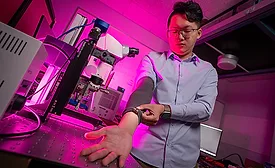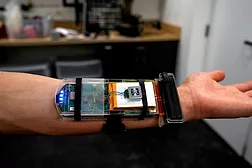
SAN DIEGO—Engineers at the University of California San Diego have developed a next-generation wearable device that enables people to control robots and other machines using everyday gestures.
Engineers at Rice University are developing next-generation wearable devices that are smarter, lighter weight and more flexible than current alternatives.
Manufacturers increasingly rely on mobile and stationary technologies to obtain worker- and machine- performance data that optimizes plant productivity
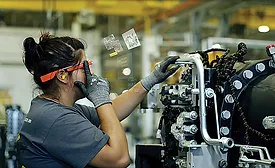
With wearable devices increasingly being used on the assembly line, it's definitely time to update the old expression that 'What you wear says a lot about you.' A more appropriate thing for manufacturers to now say about their assembly line workers is, 'What you wear tells us a lot about your productivity.'
SAARBRUCKEN, Germany—Engineers at Saarland University have developed an ultrathin, flexible film that can act as a sensor and can be integrated within a glove.
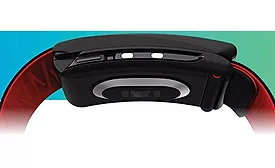
Historic events make a Major League Baseball (MLB) season memorable. In October 2017, for instance, the Houston Astros won its first World Series championship ever. Several months before that, however, a less-well-known event took place: MLB approved the use of any Whoop Inc. wearable fitness tracker by all players and coaches in games.
JACKSON, MN--Farmers never take a day off. Nor do their tractors. Growers rely on their machines to plow, plant, till, spray, bale and harvest a wide variety of crops in all sorts of conditions.
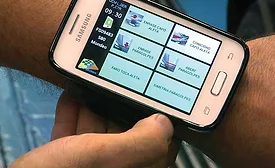
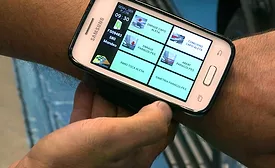
VALENCIA, Spain—Ford Motor Co. has developed a wearable device that, when connected to a smartphone app, enables assembly line workers to make faster and more accurate quality checks on new vehicles.
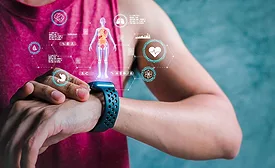
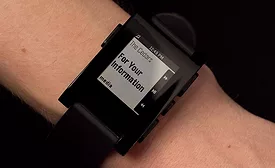
Engineers are integrating thin, flexible electronics and sensors into belts, glasses, headgear, jewelry, shirts, shoes, watches and a wide variety of other products.