Tape for Wire Harnesses
Tapes are a cost-effective method for protecting and bundling wire harnesses
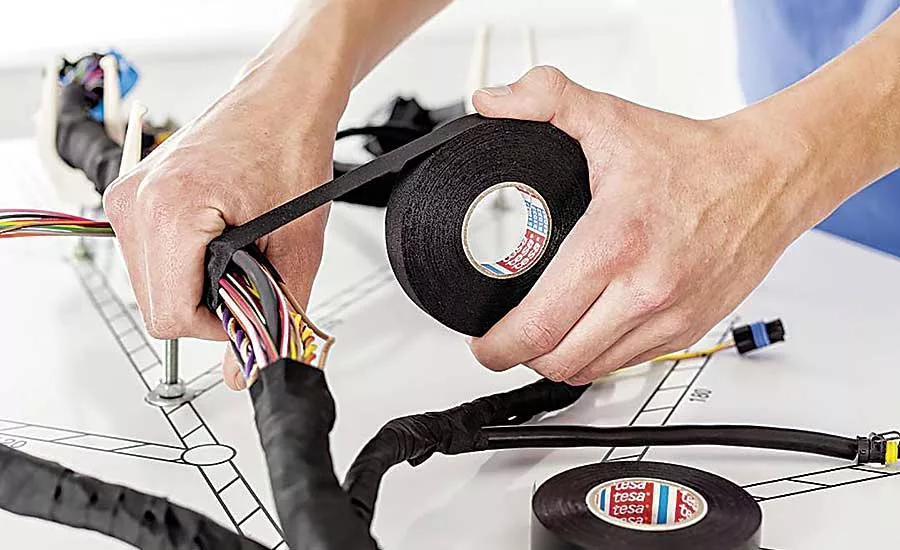
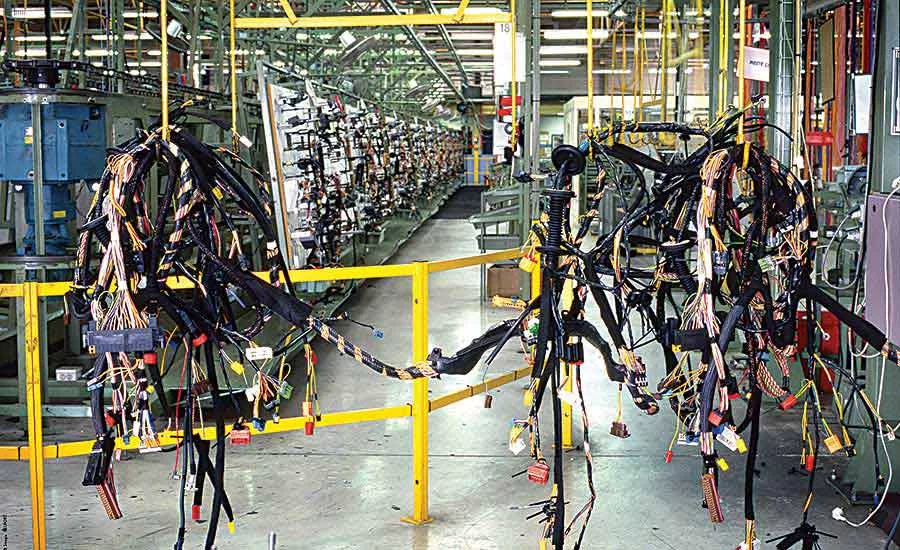
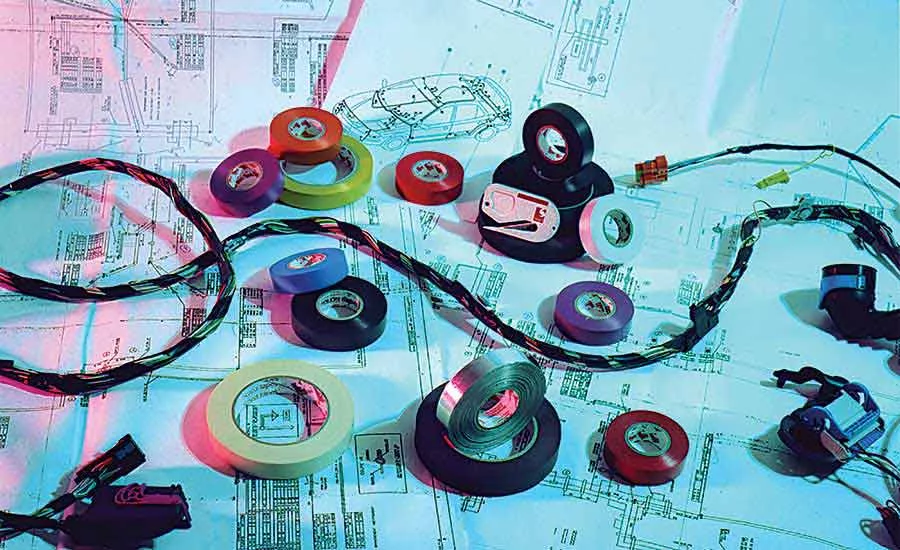

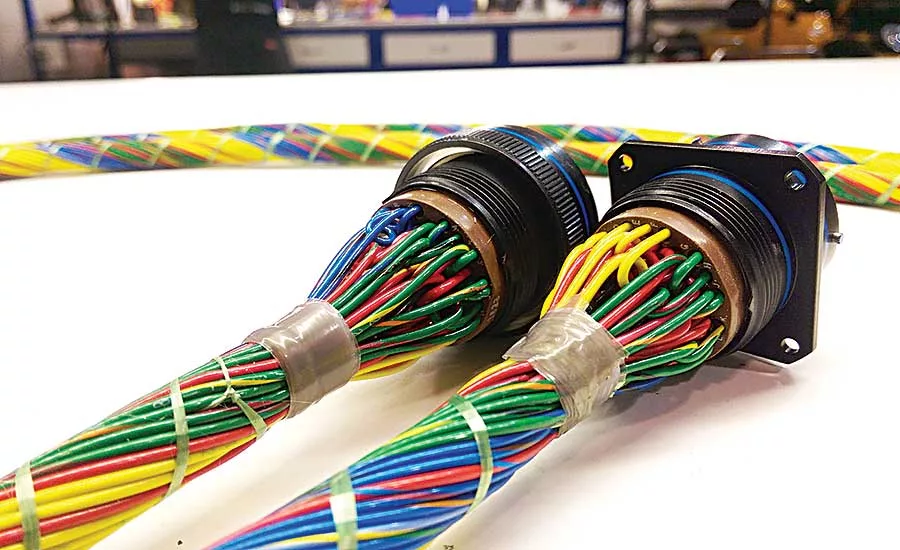
In a single year, millions of cars are manufactured worldwide. While the styles, parts and features may vary, every vehicle requires a wire harness. The harness connects the wiring throughout the vehicle, powering everything from power steering and headlights to in-dash displays and heated seats.
As cars become more high tech, the wiring becomes more expansive and is run through different areas of the car. Screens in headrests, charging ports throughout and increased electronic elements on dashboards require additional wiring through areas with limited space or exposure to harmful elements.
Protecting the wires is crucial to the safety of the vehicle. Wires exposed to high temperatures, erosive chemicals and projectiles will be damaged leading to fires, brake failures and critical malfunctions. To prevent these issues, wires need to be bundled and covered.
There are many options for protecting the wires in a vehicle’s harness. Zip ties securely bundle wire together but offer little protection or insulation. Plastic conduits offer protection from rough surfaces, although they can add weight and are not as flexible as other options. Heat-shrink tubing provides protection from heat, moisture and chemicals. However, the application is time-consuming.
Tape is another option for bundling and protecting wires. According to Christine Toussaint, product manager at Scapa, tapes are more flexible and cost-effective than other bundling options because they can be used for protective wrapping, bundling and sealing. With a wide variety of backings and adhesives, tape can offer sound dampening, thermal and electrical insulation and abrasion protection of the same quality of the other methods. Additionally, tapes are more flexible, lighter and easier to apply than tubing or plastic conduit.
Tape does have limitations.
“The current limitation is resistance to harsh abrasions, such as stone or gravel impingement at a high speed,” says Brent Phillips, wire harness sales director for Tesa Tape, Inc.
Looking for quick answers on assembly and manufacturing topics? Try Ask ASM, our new smart AI search tool. Ask ASM
Temperature resistance can also be a limitation, but Toussaint notes that Scapa is now manufacturing tapes with silicone adhesives to withstand extremely high temperatures.
Tapes for wrapping wire harnesses are rated based on how well they resist abrasion. There are six classes of abrasion resistance, A through F. Class A tapes provide no abrasion resistance. Class F tapes provide “extremely high abrasion protection.”
The established method for determining the abrasion resistance of wire harness tape is the “scrape abrasion test” outlined in the international standard ISO 6722. During the test, a 10-centimeter length of tape is applied in a single ply to a steel mandrel 5 or 10 millimeters in diameter. An abrading tool made of steel wire 0.45 millimeter in diameter is then rubbed back and forth against the tape under a load of 7 newtons.
A Class A tape will be destroyed after less than 100 strokes. A Class C tape will be destroyed after 500 to 999 strokes. A Class F tape can endure more than 15,000 strokes before destruction.
Elements of Tape
Tape is an adhesive on a backing that can be made of a number of different materials. There are a variety of different types of adhesives used in tapes, each with specific uses and advantages. Rubber adhesive is used for resistance to abrasion and flexibility. Acrylic and silicone adhesives are ideal for use in high temperature environments, up to 200 C, like the engine compartment.
Choosing a tape with the right adhesive is critical as certain adhesives can damage the wires or wire insulation. The choice of adhesive depends on the required temperature resistance and compatibility with wires.
Additionally, there are self-amalgamating tapes made of rubber or silicone that have no adhesives. This tape sticks only to itself and creates a seal against liquids.
Types of Backings
While a tape’s adhesives offer a certain level of protection, the different backing materials offer specific protections for wires facing damaging elements.
“The choice of backing depends on the location within the vehicle and what the wires may be exposed to,” says Toussaint.
PVC is the most common type of tape used in wire harness assembly, as it serves many purposes. It is flexible and allows for a tight wrap around the wire bundles. Certain types are hand tearable, which is ideal for general bundling and positioning. Other varieties offer heat and electrical insulation when combined with acrylic adhesive. Thick PVC tape can also provide abrasion resistance.
Different types of cloth backings are suited for different areas on the wire harness. Glass cloth tapes resist heat. They are ideal for wrapping wires in the engine compartment or along the exhaust system. Other cloth tapes are coated to be water-proof or flame-retardant.
Polyester is a type of cloth backing used for abrasion and heat resistance. It offers more flexibility than glass cloth and is hand tearable for ease of wrapping. Nonwoven polyester, often referred to as PET felt or fleece, is used in the body of the vehicle for sound attenuation. This also offers a high level of heat resistance.
The combination of specific adhesives with these backings will improve the level of protection. When choosing specific tapes, consider what sort of protection is required, as well as the flexibility and tearablity. In terms of cost, many tapes can be used for multiple areas, thus reducing the amount of tapes and other bundling materials required.
Trends in Tape
While automation may have taken over much automotive manufacturing, manual application of tape to wire harnesses is still the standard. Phillips suggests that automated application isn’t as popular because of the complexity of wire harness designs. The complex design and critical function of wire harnesses requires precise application of tape. Most large automotive manufacturers apply tape manually because of the complexity and size of some sections of the harness, says Toussaint.
That doesn’t mean that automotive OEMs are entirely blind to cost. OEMs are always looking to have their cake and eat it too. Wire harness tape is no different. OEMs would like to cut costs without losing any of the wire protection. This has led to an increased demand for non-PVC tapes that can protect harnesses from a variety of elements.
“In the last decade or so, manufacturers have moved away from plastic components,” says Phillips. “They’re switching from PVC to textiles for increased abrasion resistance, smaller harness diameter and increased
flexibility.”
“The biggest thing in tape right now is abrasion resistance,” notes Toussaint. “OEMs are specifically asking for it and are using tape to replace tube coverings at a lower cost.”
Additionally, different tapes are popular across the globe because of local regulations. PVC tape is more popular in Japanese cars. Cars manufactured in Europe and North American have been using more cloth tapes.
One example of a wire harness tape is Tesa 51036. Designed for protecting wire harnesses in the engine compartment of a vehicle, Tesa 51036 consists of a PET cloth backing with an advanced acrylic adhesive. With a total thickness of 10.2 mils, the tape has a tensile strength of 24.3 pounds per square inch. It can withstand temperatures of -40 to 302 F. It is rated Class D for abrasion resistance. Supplied in 25-meter rolls, the tape comes in standard widths of 9, 19, 25 and 32 millimeters. The product is available in standard black as well as orange to designate high voltage circuits.
The Tesa Supersleeve 51036 PV6 is a wire harness tape sleeve designed to wrap lengthwise around wires in the engine compartment. The construction ensures minimal adhesive contact with wires to ensure flexibility. The sleeve is made of a PET cloth backing and an advanced acrylic adhesive which provides sound dampening, as well as Class D abrasion resistance. It can withstand a temperature range of -40 to 302 F. The 50 meter rolls are available in nine widths between 67 and 195 millimeters.
Some tapes are used not to wrap wire harness, but rather to attach or secure them to part of a vehicle. For example Scapa 3540 is used to attach wire harnesses to the body of the vehicle. The acrylic adhesive offers hight tack for secured immediate adhesion to rough interior surfaces. The non woven polyester felt backing provides sound attenuation of 15 decibels. With heat resistance up to 105 C, the 1 millimeter thick tape has excellent aging performance.
Looking for a reprint of this article?
From high-res PDFs to custom plaques, order your copy today!