Optimizing VMI and Kitting Processes
The success of vendor-managed inventory programs hinges on better collaboration.
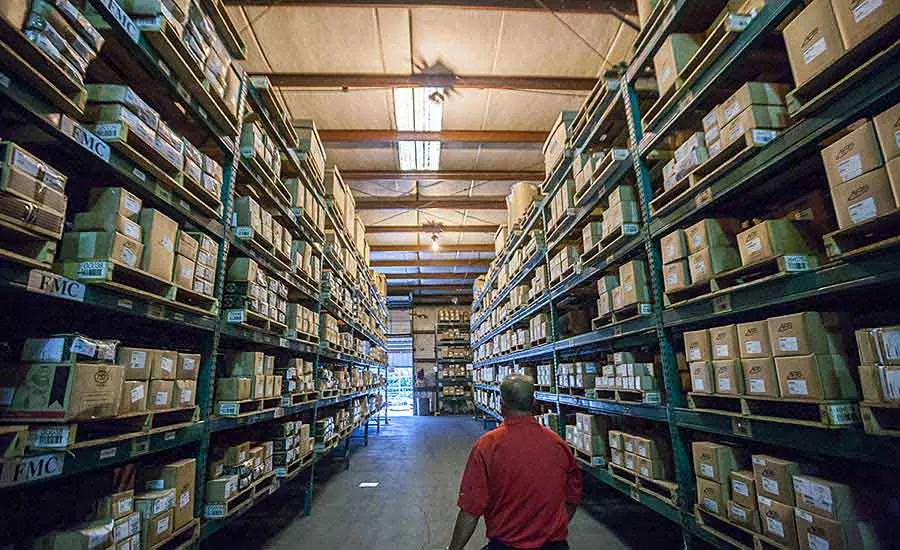

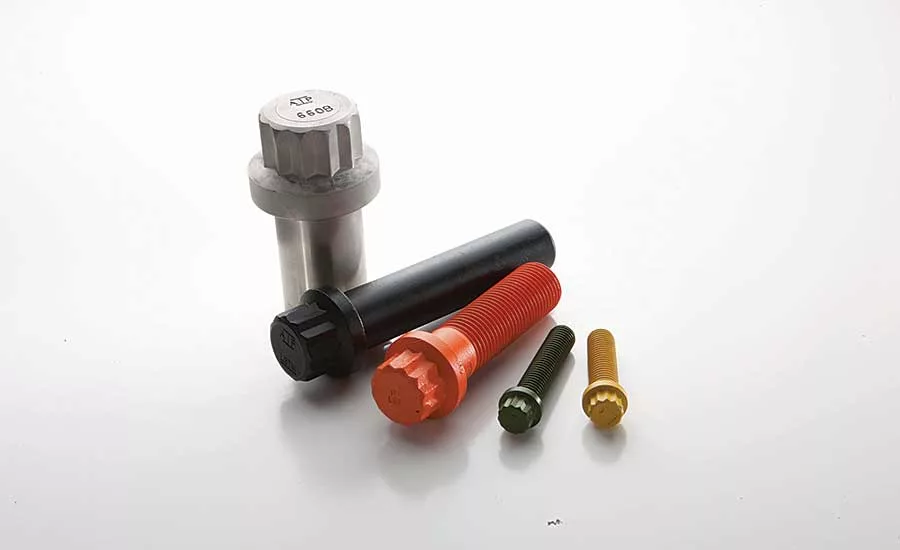

Vendor-managed inventory (VMI) programs have been around for decades. But, not all programs are created equal. The difference between good and great programs involves a host of variables. However, when it comes to making good vendor programs great, collaboration is the secret ingredient that makes everything work more proficiently. A way to simplify the supply chain process, VMI helps monitor inventory accuracy while maintaining optimal stock levels and reorder points.
VMI is an inventory management program in which the supplier of goods assumes the responsibility of optimizing the inventory on behalf of a manufacturer. The supplier has continuous access to the manufacturer’s inventory data and is the decision-maker with regards to the size and timing of reorders. This policy allows suppliers to determine the most efficient production schedules and production volumes, leading to cost reductions, and can also prevent the stocking of unnecessary inventories.
VMI is a symbiotic relationship that requires a close working relationship between the supplier and manufacturer. Often, electronic data interchange (EDI) software is employed to forecast, produce and maintain correct inventory levels in the supply chain.
Suppliers benefit from having more control of inventory and more foresight into when restocking of parts or components will be needed. Manufacturers benefit from lower inventory administration and management costs and a reduced risk of supply chain interruption.
Collaboration Basics
Collaboration is a work practice in which individuals work together to pursue a common purpose or business benefit. In vendor-managed supply programs, collaboration requires that people, processes and information systems work together towards the goal of continuous improvement.
At the outset, collaboration involves the OEM and supplier working together to understand the manufacturer’s requirements and processes, as well as the supplier’s capabilities, to design programs that achieve optimal efficiency.
On an ongoing basis, collaboration involves a clear commitment by both parties—at all levels of their organizations—to provide data, feedback, insights, and adjustments in the continuous pursuit of program optimization.
Looking for quick answers on assembly and manufacturing topics? Try Ask ASM, our new smart AI search tool. Ask ASM
Creating Pathways for Success
When structuring VMI, parts kitting and related vendor-managed programs that provide for collaboration over the long haul, four key components are integration, information, incentivizing and improvement. The integration of information technology (IT) resources between the supplier and manufacturer (primarily through the use of EDI or other VMI software) will ensure the flow of real-time information. Incentives can be structured that will encourage work teams to act in ways that lead to improvement. Examples may include financial incentives for meeting production goals, on-time deliveries, cost savings on parts and shipping, and other metrics agreed upon by the customer and supplier.
Communication is the key at every point in the process. The more information that can be shared between the OEM and supplier, the better. Given a deeper understanding of the “big picture” of manufacturing operations, the more profound is the supplier’s ability to offer programs that drive optimization. The more completely the manufacturer understands the supplier’s capabilities, the more leverage can be applied to achieve efficiencies in design, procurement and manufacturing.
Management Strategies
To ensure that a VMI program (or any other vendor-managed program) operates to its potential, the supplier must be willing to develop a thorough understanding of the manufacturer’s current business processes and strategic goals. For their part, management of both OEM and supplier companies can foster engagement at all appropriate levels of their organizations.
Providing avenues for consistent review and evaluation by OEM and supplier teams is another critical role that management can foster. Through consistent review and team collaboration, vendor-managed programs can be optimized at every level, from the shop floor and points-of-use locations, to inventory and accounting departments.
I recall one time when an annual team review at a customer facility led to a breakthrough that solved an ongoing operational challenge for the customer, a manufacturer of trailer equipment. It was a simple matter that involved the wrong type of bolt being used on a subcomponent of the trailer, leading to a complicated installation process, premature weathering and a high level of customer complaints. Meeting with the design team, installation and management team to address the issue on the spot, we were able to diagnose and resolve the installation and weathering issues, saving the customer tens of thousands of dollars in nonproductive downtime and preserving its reputation for quality.
Thoughts on Suppliers
Working with suppliers who have already have experience in the manufacturer’s industry—and a working knowledge of their markets—can increase the quality of supplier-manufacturer collaboration. These suppliers can bring a prior understanding of best practices and competitive considerations to the effort from the start.
Choosing suppliers with the human and technological resources, and bandwidth, to match the manufacturer’s organizational structure is key to building any successful vendor-managed program and supporting ongoing pathways for collaboration. Through the use of ERP software and related management information systems, vendors can add immediate and ongoing value to supply chain operations.
Providing suppliers with higher levels of visibility—insight into the status of the supply chain at any given time—can allow workflow and logistics planning efforts to be continually optimized on a collaborative basis. With visibility, near real-time data is available to all supply chain participants, enabling decisions that lead to improved performance.
Selecting suppliers with the right manufacturing, sourcing, testing and value-added management capabilities will round out the ability to collaboratively evolve programs that lead to continuous supply chain optimization.
Metrics of Collaboration
Many metrics are used to evaluate supply chain performance and collaborating around these metrics is at the heart of continuous improvement. By analyzing metrics, partners can identify areas of potential operational improvements, such as cost or time savings. With open feedback loops between management groups and work teams, metrics can yield easily implemented, actionable insights.
The types of metrics used to evaluate vendor-managed inventory programs will include statistics and measurements relating to time, cost and quality. In some cases, customer satisfaction metrics are also applicable measures to be monitored. Deciding which metrics to prioritize depends on each program. Having partners with deep industry knowledge who are committed to collaboration—looking for optimal solutions rather than just supplying parts—helps ensure the right metrics will be developed to support management goals.
One simple metric relating to vendor-managed inventory involves the geographic footprint or the storage utilization in the warehouse—for example, the number of square feet occupied with inventory compared to the total area of storage capacity. Another example could be measuring the number of days of inventory on hand to ensure optimal levels of inventory are maintained at the lowest carrying costs. Designing a visually auditable inventory for accounting teams to easily track levels, and measuring inventory turnover, can reveal how many times inventory is refreshed on an annual basis, providing insight into the efficiency of the VMI effort. All of these are examples of metrics that can help optimize VMI.
Thinking Beyond Efficiency
Building better vendor-managed programs is about more than selecting vendors or evaluating performance based on lowest cost. It is about building around partners who offer the people, products, resources, programs, technology, manufacturing capacity and business infrastructure to ensure reliable performance now and in the future. It is not enough to achieve the lowest possible cost, if the economics of a partnership are not sustainable.
By incorporating vendor-managed programs wherever possible into the supply chain, and continually optimizing programs through organizational collaboration, OEMs can think beyond efficiency to build supply chains that are agile, adaptable and sustainable. Often these winning supply chains are built on concepts that encourage collaboration, such as sharing of cost savings, whereby all supply chain partners have an interest in continuous improvement. Win-win formulas often win the day.
Benefits to Build On
The benefits to be gained through the implementation of a VMI or parts kitting program relate to time savings, cost savings, quality enhancements and process improvements. With collaboration, programs can evolve to become optimized over time.
For example, by directly managing inventory levels and reorder points to ensure timely restocking levels, suppliers can better control their own costs, make the best use of materials, and set manufacturing schedules according to their own lead times (in turn leading to reduced delivery costs). The benefits of cost savings and manufacturing efficiencies are shared by both partners.
In another example, by implementing parts kitting programs—identifying exactly the parts needed for efficient assembly and packaging them in kits for speed and convenience—assembly teams can save time, stock-outs can be eliminated, process reliability can be enhanced, item leakage and customer satisfaction can be continuously improved.
Items for Collaboration
At the beginning of any vendor-managed program, collaboration helps establish clear objectives for the program. Metrics can be prioritized that will help evaluate the performance of the program in meeting its objectives. With both partners sharing insights into their operations, programs can be better aligned with current and future manufacturing processes. Initiatives like parts consolidation—undertaken with collaboration between design, production, and management teams—can lead to cost savings and process improvements.
Through the collaborative effort of VMI, a parts kitting program or other vendor-managed program, both parties can work for continuous improvement, leading to sustainable, long-term cost savings and operational improvements, with the latitude for continually modifying programs to better match company processes, market forces and competitive factors.
For more information on vendor-managed inventory programs, visit the All-Pro Fasteners website.
Looking for a reprint of this article?
From high-res PDFs to custom plaques, order your copy today!


