Disposable or reusable? Consumers face that choice many times each day. Should we buy a bottle of water for the gym or fill a thermos at home? Should we eat dinner on paper plates or use the dishes? Which to choose depends on many factors, including convenience, cost and the environment.
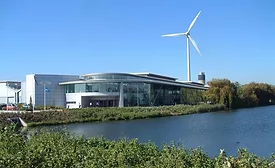
DAGENHAM, UK—Ford Motor Co.’s engine assembly plant here is a surprising haven for 50 species of birds, protected voles, and a rare ladybug. Employees from the plant help to maintain and improve the habitat surround the factory by keeping waterways clear, restocking fish supplies, and planting more than 10,500 trees over the past 20 years.
Later this month, Donald Trump will be sworn in as the 45th president of the United States, and a raft of policy changes are sure to come. Among others, the president-elect has vowed to roll back proposed regulations covering power plant emissions, contending that they will hurt the economy and put U.S. industries at a competitive disadvantage.
WASHINGTON—The U.S. Department of Energy is providing nearly $25 million to fund 13 projects aimed at advancing technologies for energy-efficient electric motors for industrial machinery.
OTTAWA, OH—Whirlpool Corp. began construction on a $3.3-million wind-turbine project at its freezer assembly plant here. The project will generate more than 30 percent of the plant’s power needs.
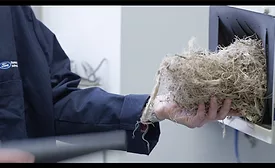
DEARBORN, MI—Ford Motor Co. is teaming up with Jose Cuervo to explore the use of the tequila producer’s agave plant byproduct to develop more sustainable bioplastics to employ in Ford vehicles. Ford and Jose Cuervo are testing the bioplastic for use in vehicle interior and exterior components, such as wiring harnesses, HVAC units and storage bins.
SUNDERLAND, UK—Nissan has installed a 4.75-megawatt solar farm at its assembly plant here. Together with other renewable energy sources, the farm will generate enough power to build more than 31,000 cars every year.
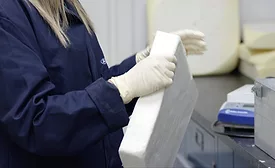
DEARBORN, MI—Ford Motor Co. is developing new foam and plastic components using carbon dioxide as feedstock. Researchers expect to see the new biomaterials in production vehicles within five years.
 RSS
RSS