Assembly Magazine logo
search
Ask ASSEMBLY AI
cart
facebook twitter linkedin youtube
  • Sign In
  • Create Account
  • Sign Out
  • My Account
Assembly Magazine logo
  • TRENDS
    • Ask ASSEMBLY AI
    • Trends
    • News
    • New Products
  • INDUSTRIES
    • Aerospace
    • Appliance
    • DFMA Assembly
    • Medical Devices
    • Green Manufacturing
    • Lean Manufacturing
    • Machinery Assembly
    • Electronics Assembly
    • Automotive
  • TECHNOLOGIES
    • Adhesives & Dispensing
    • Assembly Presses
    • Automated Assembly Systems
    • Manufacturing Management
    • Manufacturing Software
    • Motion Control
    • Screwdriving & Riveting
    • Robotics
    • Test & Inspection
    • Plastics & Metal Welding
    • Wire Processing
    • Workstations
  • AUTONOMOUS & ELECTRIC MOBILITY
    • AEM Magazine Archives
    • Autonomy
    • Electrification
    • Mobility Services
    • Assembly & Testing
    • AV/EM News
  • MEDIA
    • Ask ASSEMBLY AI
    • Podcasts
    • Assembly News Now
    • Assembly TV
    • Webinars
    • eBooks
  • EVENTS
    • Calendar
    • The ASSEMBLY Show
  • MORE
    • Exclusives >
      • Plant of the Year
      • Capital Spending
    • Buyers Guide >
      • Supplier Insights
    • Classifieds
    • Featured Products
    • Newsletters
    • Store
    • White Papers
    • Columns
    • Sponsor Insights
  • INFOCENTER
    • Assembly & Test Solutions
  • EMAGAZINE
    • eMagazine
    • Archive Issues
    • Advertise
    • Contact Us
    • Sign Up
Assembly Breaking News Aerospace Assembly

Boeing Finds Debris in Fuel Tanks of Undelivered 737 MAXs
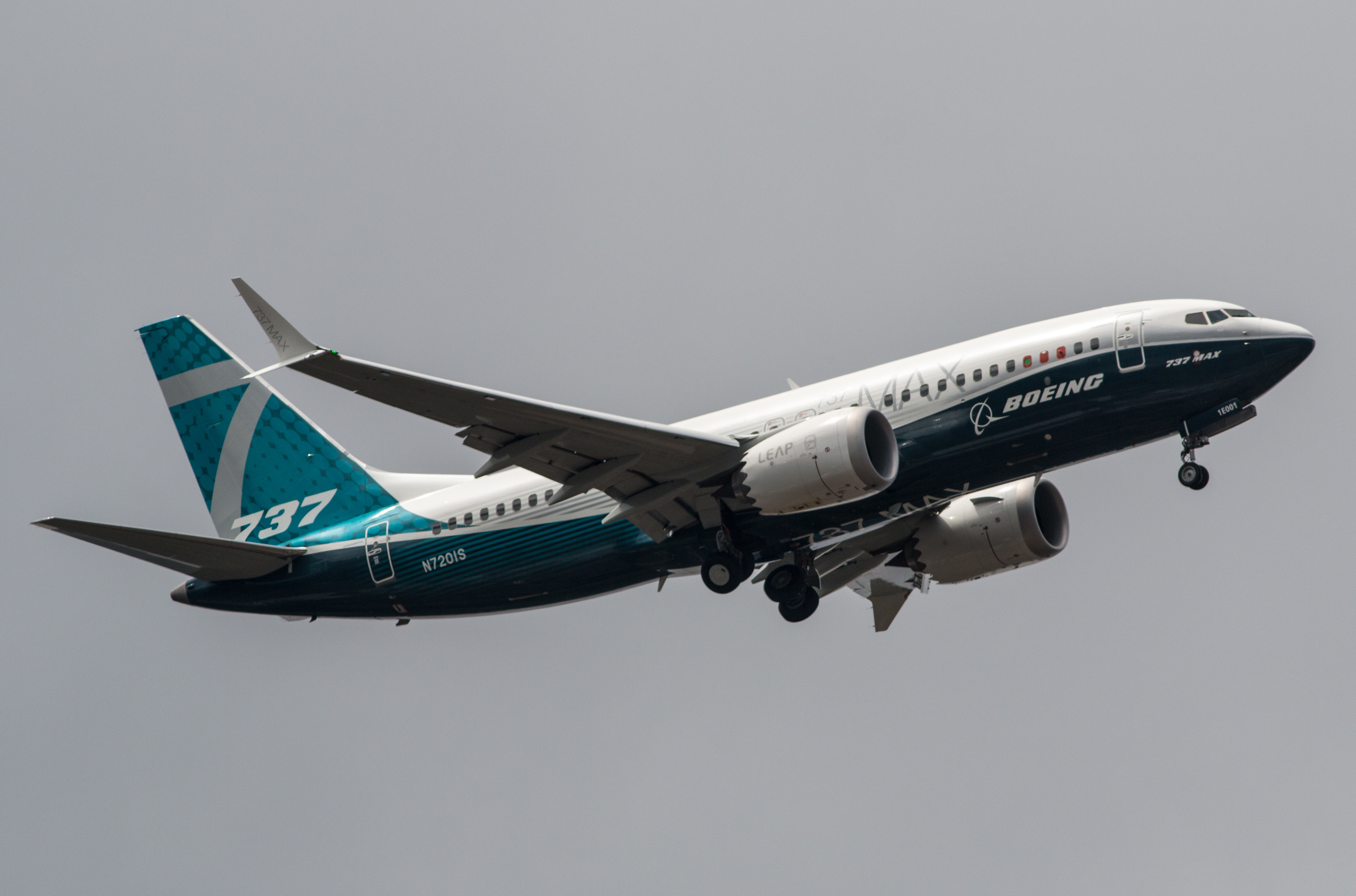
737 Max
February 20, 2020

RENTON, WA — Boeing discovered debris that mechanics left inside the wing fuel tanks of several undelivered 737 MAXs during the aircraft assembly process and has ordered inspections of all the undelivered MAXs, about 400 of which are stored at various locations.

Boeing is recommending inspection for any of these models, including the additional 385 MAXs that were delivered to customers but have been grounded for almost a year and are parked at airfields around the world.

“It’s still undecided if we will inspect the rest [of the delivered MAX fleet]”, says Boeing spokesman Bernard Choi. “Obviously, we’ll do what’s right for safety.”

Mark Jenks, vice president and general manager of the 737 program and its Renton assembly site, sent all 737 employees a message Tuesday outlining a series of actions to deal with the problem of what’s referred to in the aviation industry as “Foreign Object Debris,” or FOD.

“FOD is absolutely unacceptable,” says Jenks. “We need our entire team to make this a priority.”

Boeing spokesman Chaz Bickers said that although Boeing must now inspect all the stored MAXs for similar debris, but the company doesn’t anticipate this changing the timeline for the planes to return to service by mid-summer.

In a statement, the Federal Aviation Administration said the agency increased its surveillance based on initial inspection reports and will take further action based on the findings.

Looking for quick answers on assembly and manufacturing topics? Try Ask ASM, our new smart AI search tool. Ask ASM →

Boeing’s message to employees did not specify exactly what debris had been found inside the wings, saying only that a range of FOD was found in the fuel tanks of several 737 MAX airplanes in storage.

The FOD problem on the MAX was first reported Tuesday on Scott Hamilton’s Leeham.net aviation site, which said the objects found included left-behind tools and rags. Either would be cause for serious concern. Tools banging around inside a fuel tank could damage sensors or wiring. A rag could block a fuel line.

Boeing has had a number of FOD discoveries in the past couple of years, previously on the 767-based KC-46 military tanker built in Everett and on the 787 Dreamliners built in North Charleston, South Carolina.

“There’s a systemic issue with Boeing’s quality control that hasn’t been corralled yet,” says Hamilton. “This is not related to the MAX crashes or exclusively a MAX issue. Boeing has these FOD issues on other airplane programs.”

In 2019, Boeing was forced to ground its KC-46 tankers after the Air Force expressed concern about loose tools and bits of debris found in various locations inside the completed airplanes. Management in Everett declared a level 3 state of alert on the assembly line over the KC-46 FOD issue, which is a defense contract term just one step away from a complete shutdown of the assembly line.

Last spring, the New York Times published details of shoddy quality control on the 787 assembly lines in South Carolina dating back to 2016.

Debris was routinely found dangerously close to wiring beneath cockpits at the assembly plant. Piles of titanium shavings— produced when fasteners were fitted into nuts — accumulated close to electrical equipment underneath the passenger floor. Employees found tubes of sealant and metal nuts inside finished jets. In one instance, a ladder and a string of lights were left inside the tail of a plane.

Less than a month after the crash of the second 737 MAX jet, Boeing called North Charleston employees to an urgent meeting about airlines finding random objects in their new airplanes.

The lapses in FOD control came as Boeing announced a sweeping transformation of its manufacturing procedures that would result in it cutting almost 1,000 quality inspectors’ jobs over two years. Quality inspectors concerned about that move noted that Boeing failed one element of a quality-control audit on the 747, 767 and 777 airplane programs in December 2018.

The inspections will take two to three days per aircraft. Fuel must be drained from the wings before a mechanic can go in and do a thorough check. Jenks’ message to employees states that management has already held a series of meetings in Renton on the factory floor “to share a new process for stopping FOD.”

That includes updated instructions and required checklists for employees working in the wing fuel areas; additional inspections, audits and checks when the wing tanks are closed and sealed; and new signs posted in the work areas to remind employees of the proper procedures.

On Tuesday, Boeing also announced that Mike Fleming, the vice president who was in charge of providing aftermarket services to airline customers, has been appointed vice president of 737 MAX Return to Service and Global Aviation Safety System, a new position. His job will be to ensure all the MAXs are prepared to safely return to service and to provide support to airlines once they are back in the air. He’ll also lead Boeing’s efforts to engage with airlines, regulators and the industry to strengthen global aviation safety, the company said.

KEYWORDS: aerospace automation Boeing Boeing 737 aircraft defense industry Washington manufacturing

Share This Story

Looking for a reprint of this article?
From high-res PDFs to custom plaques, order your copy today!

Recommended Content

JOIN TODAY
To unlock your recommendations.

Already have an account? Sign In

  • Made in the U.S.A.

    Consumer Products Manufacturing: Made in the USA

    Supply chain lessons learned during the coronavirus...
    Automated Assembly Systems
    By: Austin Weber
  • Best Practices for Press-Fit Assembly

    Best Practices for Press-Fit Assembly

    In manufacturing, ironclad formulas for success are hard...
    Assembly Presses
    By: Jim Camillo
  • aem0523leader-tesla1.jpg

    Tesla Rethinks the Assembly Line

    Engineers at Tesla Inc. have developed a new process that...
    Automotive Assembly
    By: Austin Weber
Manage My Account
  • eMagazine Subscription
  • Assembly Newsletters
  • Online Registration
  • Subscription Customer Service
  • Manage My Preferences

More Videos

Sponsored Content

Sponsored Content is a special paid section where industry companies provide high quality, objective, non-commercial content around topics of interest to the ASSEMBLY audience. All Sponsored Content is supplied by the advertising company and any opinions expressed in this article are those of the author and not necessarily reflect the views of ASSEMBLY or its parent company, BNP Media. Interested in participating in our Sponsored Content section? Contact your local rep!

close
  • ultrasonic welding
    Sponsored bySonobond Ultrasonics

    Engineering Efficiency in High-Performance Assembly: How Ultrasonic Welding Enhances Throughput, Reliability and Quality

  • UV curing system
    Sponsored byDymax

    Why UV Intensity Alone Doesn’t Define Curing Performance

  • wooden pallets
    Sponsored byLEAN Manufacturing Products

    Eliminating Waste on the Shop Floor: Applying Lean Principles to Improve Manufacturing Efficiency

Popular Stories

ASSEMBLY News Now, episode-30: Volvo Redesigns EV Manufacturing

Volvo Redesigns EV Manufacturing

Boeing CEO Kelly Ortberg announces 1 billion investment

Boeing Plans $1 Billion Wichita Investment, Workforce Training Center

GE Appliances Worker on Line

GE Appliances Expands Factory AI With 800 Gemini Enterprise Agents

Watch the latest episode of ANN now!

Events

July 24, 2025

From Shop Floor to CFO: How Manufacturers Are Closing the Loop Between Operations and Finance

On Demand Learn how manufacturers are bridging the gap between the shop floor and ERP systems to gain real-time visibility, streamline operations, and kick-start digital transformation—without waiting years.

Sponsored by:

PicoStratusGreen
July 30, 2025

Buffer Analysis and Design Fundamentals for Manufacturing Excellence

On Demand In this presentation, Dr. Herman Tang shares practical insights from his industry experience and research on buffer management in manufacturing operations.

View All Submit An Event

Poll

Difficult Assembly Processes

Which assembly process gives you the most difficulty?
View Results Poll Archive

Products

Manufacturing Cost Policy Deployment (MCPD) Profitability Scenarios: Systematic and Systemic Improvement of Manufacturing Costs

Manufacturing Cost Policy Deployment (MCPD) Profitability Scenarios: Systematic and Systemic Improvement of Manufacturing Costs

See More Products
Register for webinar - Modernizing Automotive Assembly: Why Upgrading Legacy MES is a Business Imperative

Related Articles

  • New Plant to Make Fuel Tanks

    See More
  • Ballard to Use Hernon Sealant in Fuel Cells

    See More

Related Products

See More Products
  • handbook of digital.jpg

    Handbook of Digital Innovation, Transformation, and Sustainable Development in a Post-Pandemic Era

  • history.jpg

    Faster, Better, Cheaper in the History of Manufacturing: From the Stone Age to Lean Manufacturing and Beyond

  • smart.jpg

    Handbook of Smart Manufacturing Forecasting the Future of Industry 4.0

See More Products

Related Directories

  • RecycleMax Inc.

  • MAX USA Corp.

  • Max 2 LLC

×

Never miss the latest news and trends driving the manufacturing industry

Stay in the know on the latest assembly trends.

JOIN TODAY!
  • RESOURCES
    • Advertise
    • Contact Us
    • Directories
    • Manufacturing Division
    • Store
    • Want More?
  • SIGN UP TODAY
    • Create Account
    • eMagazine
    • Newsletters
    • Customer Service
    • Manage Preferences
  • SERVICES
    • Marketing Services
    • Reprints
    • Market Research
    • List Rental
    • Survey/Respondent Access
  • STAY CONNECTED
    • LinkedIn
    • Facebook
    • Instagram
    • YouTube
    • X (Twitter)
  • PRIVACY
    • PRIVACY POLICY
    • TERMS & CONDITIONS
    • DO NOT SELL MY PERSONAL INFORMATION
    • PRIVACY REQUEST
    • ACCESSIBILITY

Copyright ©2026. All Rights Reserved BNP Media, Inc. and BNP Media II, LLC.

Design, CMS, Hosting & Web Development :: ePublishing