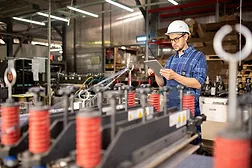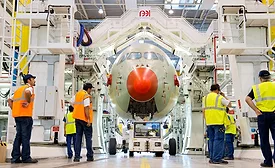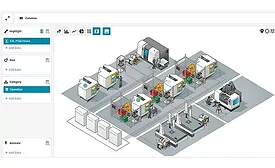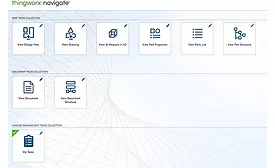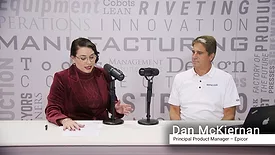
Software companies are building a new manufacturing stack that includes four layers: ERP, MES, Connected Worker, and AI. Dan McKiernan, principal product manager with Epicor, joins us at the ASSEMBLY Show to talk about the success that arises when these systems work together in a stack rather than a patchwork of tools.
In deciding what drives the creation of sub-BOMs and whether to divide a larger assembly into subassemblies, it’s essential to evaluate the long-term impact on production. A flexible enterprise resource planning (ERP) system allows the creation of complex, multilevel BOMs, but also supports simple, flat BOM structures.
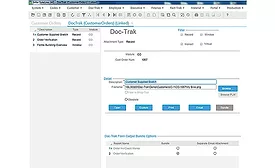
AUSTIN, TX—Epicor, a provider of industry-specific enterprise software to promote business growth, has acquired eFlex Systems, a provider of cloud-based manufacturing execution systems (MES).
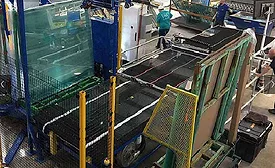
Makers of insulated glass use a variety of custom machines in their production facilities. Gas filling, glass handling and glass storage machines are three of the most common types.
Let's not sugarcoat this. The world's manufacturing base is at war with COVID-19 and its destructive, disruptive effects on everything from supply chains to daily production levels and, ultimately, the health of everyone. Getting ahead of this curve will require a much more aggressive approach to using data.
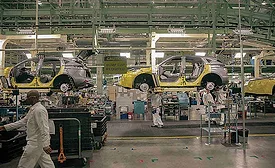
To survive in today's new world of technology, mobility and market changes, the automotive supply chain has no choice but to perform future scenario planning for the long term.
Bearing manufacturers face a plethora of challenges every day, regardless of where they are located and the industries they serve. One such company is Philadelphia-based Kingsbury Inc., which has been around for 108 years, and is recognized as a technological leader in the development of all types of bearings for rotating machinery.
Increasing demand for smart devices and embedded intelligence is driving manufacturers in a variety of industries to invest in new production tools and technologies. Additive manufacturing, advanced sensors, augmented reality, cloud-based computing, collaborative robots and digital twins are just a few of the many trends transforming factory floors today.
On Demand Learn how manufacturers are bridging the gap between the shop floor and ERP systems to gain real-time visibility, streamline operations, and kick-start digital transformation—without waiting years.