In this whitepaper, we explore the top trending technologies and the key manufacturing pain points they can alleviate. Finally, we’ll identify and discuss the best digital technology investment manufacturers can make to encourage higher output and a more empowered workforce.
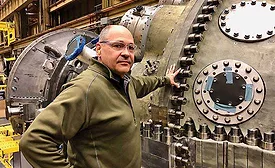
In the last half century, the GE Gas Power plant in Greenville, SC, has experienced the same kind of dizzying roller coaster ride as the city where it's located.
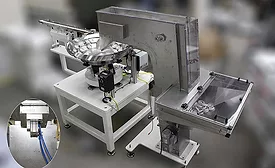
Manufacturers of automated machinery often receive requests to feed and orient ordinary plastics caps, but even an ordinary cap can have features that can cause part "behaviors" that present challenges during the feeding process.
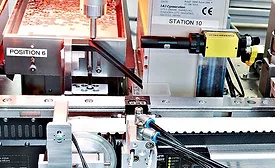
Industry 4.0 concepts necessitate highly flexible and modular production equipment. A good example is the new CresaLine small-parts assembly system from Swiss machine builder and integrator Credimex AG.
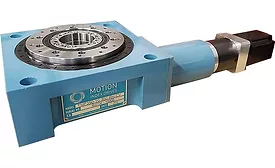
One of the simplest devices for partially automating an assembly process is a rotary indexing table. This device consists of a circular steel plate and a drive for turning it.
In many industries, automation is an afterthought—considered only after a process is stable, “everything works,” and an organization assesses the “risks and paybacks.” Ideally, however, automation should be considered from day one.
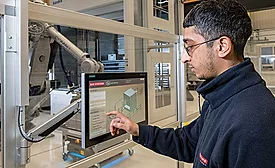
A gentle nudge is often a more effective way to bring out the best in a worker than a firm push. Two common scenarios where this approach applies are just-hired workers and veteran ones that need to learn a new task.
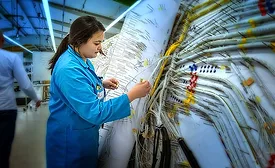
When it comes to assembling wire harnesses, humans still do it better than automation. That's why wire processing remains a largely manual process. However, it also poses a number of ergonomic issues and concerns, including the risk of back, finger, neck, shoulder and wrist injuries.