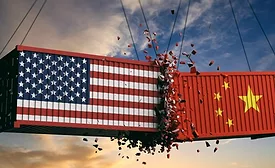
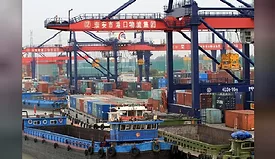
Recently, I received an e-mail from a U.S. electrical products company warning me that, on Oct. 15, the tariff on power supplies and power cords imported to the U.S. from China would increase from 25 percent to 30 percent.
WASHINGTON—The Trump administration says it will delay imposing a 10 percent tariff on a series of consumer goods imported from China—including laptops and cell phones—until December to ease fears about the trade war’s impact on markets and the economy.
WASHINGTON, DC—The U.S. Commerce Department recently barred five additional Chinese entities from buying American-made products, a move that follows the similar blacklisting of Chinese telecommunications giant Huawei in May.
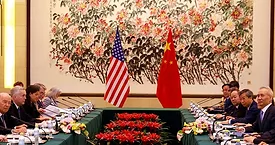
BEIJING—The United States cannot use pressure to force a trade deal on China, a senior Chinese official and trade negotiator said on Sunday, refusing to be drawn on whether the leaders of the two countries would meet at the G20 summit to bash out an agreement.
In my March editorial, I discussed the impact of steel and aluminum tariffs on assemblers of steel and aluminum products. However, another constituency has also been affected by tariffs: U.S. consumers.
WASHINGTON—The White House last Friday laid out objectives for trade talks with Japan, setting the clock for them to begin as early as Jan. 20, as the administration seeks to slash the United States' $69 billion trade deficit with the world's third-biggest economy. According to the document, the United States is aiming to secure duty-free market access for American industrial products and reduce or eliminate tariffs for U.S. agricultural goods.
WASHINGTON—The American Automotive Policy Council, a trade group representing Ford, GM and Fiat Chrysler, is urging the Trump administration to hold off further opening the American market to Japanese cars until Tokyo shows its committment to returning the favor.
WASHINGTON—The U.S. trade deficit widened more than forecast in October to the highest in a decade, underscoring continued fallout from the trade dispute with China, Commerce Department data showed last Thursday. The goods trade gap with China widened to a record.
BUENOS AIRES, Argentina—U.S. President Donald Trump and Chinese President Xi Jinping agreed last Saturday to keep their trade war from escalating with a promise to halt the imposition of new tariffs for 90 days as the world’s two largest economies negotiate a lasting agreement. The truce emerged on the sidelines of the Group of 20 summit here.