Assembly Lines
Cobots May Enable Autistic Adults to Thrive in Manufacturing
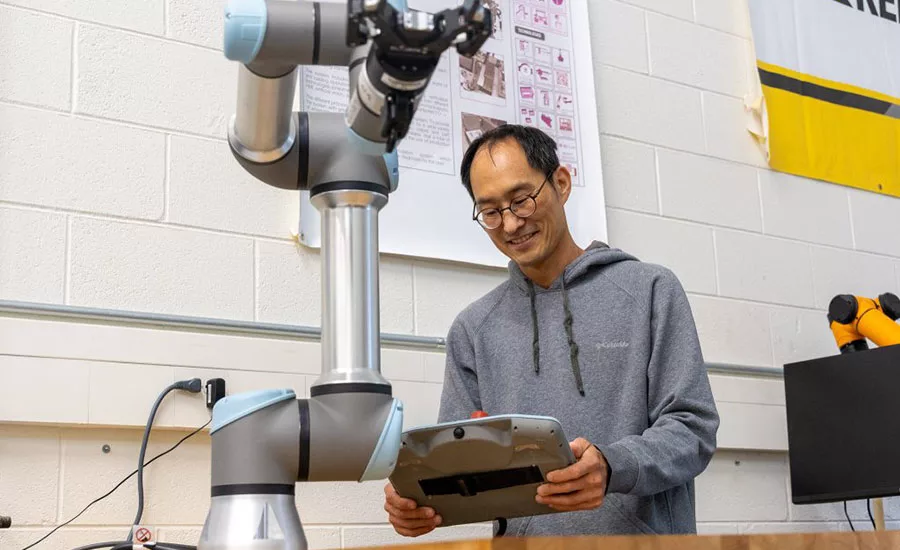
Collaborative robots can foster interaction that boosts a worker’s sense of autonomy and competence.
BLACKSBURG, VA—Autistic adults face lower employment rates than their equally qualified peers, in part because many workplaces don’t meet their needs. Meanwhile, as manufacturers struggle to find skilled workers, they may be overlooking the autistic talent pool.
Engineers at Virginia Tech University believe that collaborative robots may help solve both problems. They are working on an R&D project with multidisciplinary colleagues from George Washington University and the University of Notre Dame.
The initiative is grounded in self-determination theory (SDT), a psychology framework that says people thrive when three basic needs are met: autonomy, competence and relatedness.
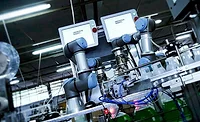
The goal is to apply artificial intelligence technology to the theory and design cobots that would be stationed near autistic or neurodiverse employees on an assembly line. The machines could be used to provide responsive feedback, set work pace and foster interaction that boosts a worker’s sense of autonomy, competence and relatedness.
“One of the reasons we’re focused on autistic individuals is that they often face challenges finding employment, despite being as intelligent and capable as their peers,” says Sunwook Kim, Ph.D., an associate professor of human factors engineering and ergonomics at Virginia Tech who’s heading up the project.
“We were noticing how difficult it was for undergraduates on the spectrum to get lab experience and the kind of work needed to secure internships, co-ops and eventually jobs,” explains Kim. “With all the advances in AI and smart technologies, now is a good time to focus on human-centered design in industrial environments.
“Manufacturing is a pivotal domain right now because…smart technologies are changing the landscape,” Kim points out. “Cobots are becoming more capable of interacting naturally with human workers. Most studies focus on physical aspects like reducing physical strain, but we want to look at broader aspects like well-being.
Kim and his colleagues plan to begin pilot studies, using sensors and simulated assembly tasks to understand how cobots can provide real-time support to autistic workers. They have formed a steering committee that includes autistic individuals with manufacturing experience to ensure their perspectives directly shape the research.Looking for quick answers on assembly and manufacturing topics? Try Ask ASM, our new smart AI search tool. Ask ASM
Looking for a reprint of this article?
From high-res PDFs to custom plaques, order your copy today!