Assembly Lines
Ford–Geely Talks Reflect New Era of Trade-Driven Manufacturing
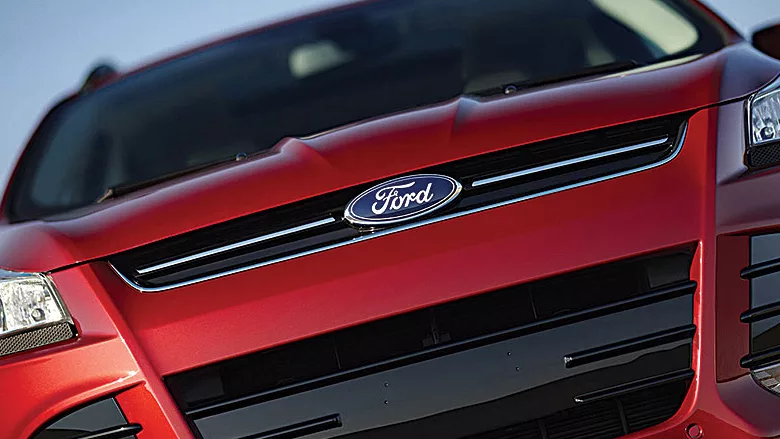
DEARBORN, MI—Ford Motor Co. and China’s Geely Auto are in preliminary discussions for a potential partnership that could see Ford’s excess production capacity in Europe used to build Geely vehicles, sources familiar with the talks told Reuters.
The potential partnership could help Geely avoid European Union tariffs on China-made EVs. Ford and Geely have also explored potential frameworks for shared vehicle technologies, including automated driving, though some sources note these topics are not in advanced stages.
Ford has been reducing vehicle production in Europe, ending assembly of the Focus and seeing declining sales of certain EV models. The company partnered with Volkswagen AG on EV platforms in Europe and recently struck a deal with Renault SA to share its EV platform for two vehicles and potential commercial vehicle collaborations.
Geely, which includes brands Volvo, Zeekr, Lynk & Co. and Lotus, posted a 39% sales increase in 2025 to just over 3 million vehicles, making it the second-largest Chinese automaker behind BYD Auto Co. The company has also been active in foreign partnerships, including the 2010 purchase of Volvo from Ford.
The discussions, which have been underway for months, are in the early stages and no final agreements have been reached. The sources requested anonymity because the conversations remain private.
Chinese automakers have largely been shut out of the U.S. market because of tariffs under previous administrations and restrictions imposed over national security concerns tied to data collection and vehicle software. But Geely has previously used cross-border manufacturing and trade mechanisms to manage tariff barriers.
When Geely bought Volvo from Ford, the companies came up with a growth strategy that relied in part on lowering costs by merging supply chains. Geely and Volvo have created a series of shared platforms allowing Volvo and other Geely brands to share batteries, motors, gears and electric power-management inverters — made cheaper when produced in high volumes.
Looking for quick answers on assembly and manufacturing topics? Try Ask ASM, our new smart AI search tool. Ask ASM
Shifting more of its manufacturing to China required Volvo to confront the tariff issue. Volvo found a way around them through the U.S. duty drawback program, which dates to 1789. The program initially reimbursed companies for tariffs paid on imported raw materials when those materials were used to manufacture goods for export. It has since expanded, allowing a wider range of exported products to offset duties on comparable imports.
For Volvo, it means exports of its larger EX90 electric sport-utility vehicles built in South Carolina can be used to offset imports of the EX30 from China. The drawback program, which has a long history of use by U.S. automakers that source parts globally, has surged in popularity in recent years.
Looking for a reprint of this article?
From high-res PDFs to custom plaques, order your copy today!