Survey Highlights “Discovery Gap” in Manufacturing Workforce as Satisfaction Reaches Record Levels
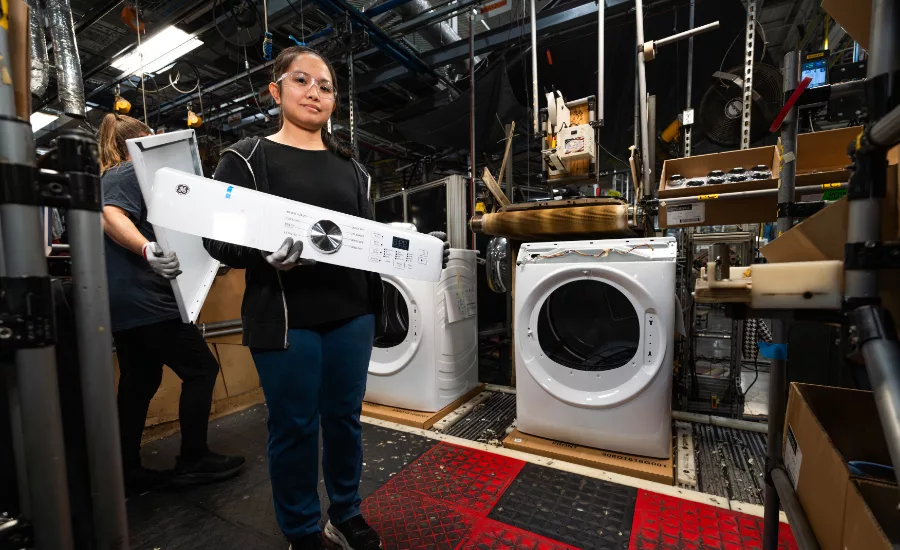
NASHVILLE, Tenn. – A new manufacturing workforce study shows employees are highly satisfied and optimistic about the industry — but most did not plan to enter it, highlighting a growing “discovery gap” that continues to limit the talent pipeline.
According to the sixth annual Career Advancement in Manufacturing Survey, produced in partnership with Women in Manufacturing, 90% of workers believe the industry has a bright future and 82% would recommend a manufacturing career. More than 80% of respondents also said they feel valued by their employers.
Despite those positive indicators, the report identifies a “discovery gap,” where many workers enter manufacturing by chance rather than intent. Across the total workforce, a majority said they “fell into” manufacturing roles, including more than 80% of management-level employees. In contrast, about half of shop floor workers said they intentionally pursued careers in the industry.
The gap is more pronounced among women. Only 23% of women reported intentionally entering manufacturing compared with 35% of men. Respondents cited barriers including lack of awareness of career opportunities, gender stereotypes, work-life balance challenges and workplace culture.
For manufacturers, the findings suggest a disconnect between internal workforce satisfaction and external awareness of manufacturing careers.
Notably, workers who entered manufacturing unintentionally report satisfaction levels similar to those who actively chose the field, with about 80% recommending manufacturing careers and more than 80% saying they feel valued.
Survey respondents pointed to career growth, problem-solving work and long-term stability as the primary drivers of satisfaction.
Looking for quick answers on assembly and manufacturing topics? Try Ask ASM, our new smart AI search tool. Ask ASM
The data show differences between roles on the shop floor and in management. Shop floor workers ranked problem-solving as their top source of satisfaction, followed by career growth and stability. Management respondents placed greater emphasis on long-term career trajectory while still valuing problem-solving and stability.
The most difficult roles to fill remain entry-level production positions and maintenance, repair and operations jobs. Smaller manufacturers continue to feel the impact more acutely.
At the same time, workers increasingly view automation and advanced technologies as part of the industry’s appeal. Among respondents who recommend manufacturing careers, one-third cited the opportunity to work with technologies such as AI and robotics. That figure rises among shop floor workers, suggesting frontline employees see automation as enhancing roles rather than replacing them.
Beyond recruitment, the survey highlights factors that influence retention and advancement, particularly for women.
Flexible work schedules ranked as the most desirable benefit, ahead of health insurance and retirement plans. However, fewer than 60% of respondents said they have access to flexible scheduling options, indicating a gap between workforce priorities and current offerings.
Mentorship also emerged as a critical factor. More than 60% of respondents said mentorship should be integrated into work hours, while many expressed interest in formal programs that include career guidance, technical training and leadership development.
The findings suggest manufacturers may need to expand structured mentorship and sponsorship programs to support workforce development and improve retention.
The full report is now available.
Looking for a reprint of this article?
From high-res PDFs to custom plaques, order your copy today!