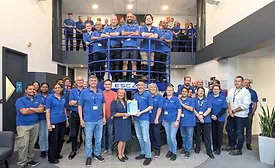
LUTTERWORTH, England — ESCATEC has achieved ISO 13485:2016 certification at its UK manufacturing facility, expanding the electronics manufacturing services provider’s ability to support medical device and healthcare OEMs across its global production network.
GALWAY, Ireland — Boston Scientific will invest €75 million to expand research and development capabilities at its Galway facility, strengthening the site's role in developing next-generation cardiovascular and medical technologies.
NORTH BARRINGTON, Ill.—Medical Murray and Merge have announced a strategic partnership aimed at improving how early medical device concepts move toward manufacturing, with a focus on bridging exploratory research and development and future regulated development.
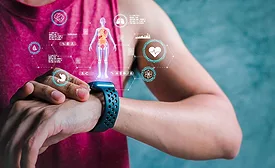
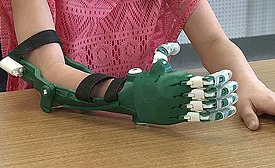
Engineers at Rice University are developing next-generation wearable devices that are smarter, lighter weight and more flexible than current alternatives.
In all industries, it's important to achieve alignment between the design of a product and production processes as early as possible. In the medical device sector, whether it's a dialysis machine, a knee implant, a stethoscope or a syringe, the design transfer process plays a critical role in addressing cost and quality issues.
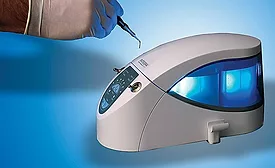
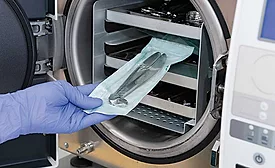
With the rise in antibiotic-resistant "superbugs" in hospitals and medical centers, cleanliness and sterilization of medical devices have become a top priority. Cleaning products have become stronger and more aggressive to sanitize devices and prevent the spread of illness between patients.
Additive manufacturing is the hottest thing to hit the medical device industry since the first pacemaker was implanted in a patient 60 years ago. The technology has transformed the way that engineers design numerous products. Now, it’s starting to move beyond prototyping into production.
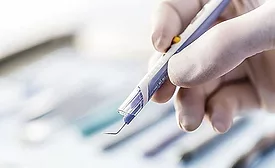
Designing a new medical device is a bit more complicated than designing a toaster or an automotive cooling system. Besides the issues common to any product—feasibility, usability, and design for manufacture and assembly—there are also issues of biocompatibility, sterilization and FDA regulations to deal with.
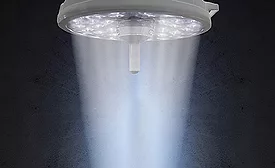
Light is critical for our health and well-being. In the morning, bright light helps us wake up and feel alert and energized. At night, dimmer light cues us to go to sleep. Equally important, the right type of light enables hospitals to provide surgery and other essential medical services 24/7.
Medical device engineers have many considerations when designing an assembly. Safety and effectiveness are top priorities, of course, followed closely by cost.