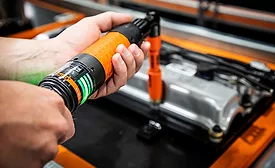
Traditionally, using any material other than metal in the engine compartment was unthinkable. But, that old rule of thumb is changing as many automakers and suppliers use plastic to reduce vehicle weight.
The Model T is the car that’s credited with "putting the world on wheels.” Here’s a brief look at 10 ways the iconic vehicle influenced business and social conditions.
Thread-lockers keep fasteners from loosening due to vibration. Here are insights into how, why and when to use fasteners with preapplied thread-lockers.
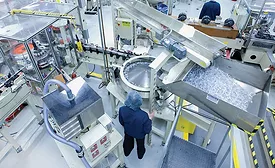
Want to a know what systems integrators are working on? Good luck! Sometimes their own engineers don’t even know. To ensure they will be first to market with a hot new product, manufacturers often go to great lengths to protect the secrecy of what they’re assembling and how they’re assembling it.
This year marks the 50th anniversary of ASSEMBLY magazine. Since the publication debuted in the late 1950s, we have provided in-depth coverage of key trends, issues and challenges affecting the wide world of welding. Here's a look at how welding technology has changed over the last 5 decades.
Wire harnesses are used in everything from sports cars to washing machines and business jets to video arcade games. But, assembling them can be a daunting task. Choosing the right wire harness boards and fixtures can improve productivity.
 RSS
RSS