Timely Maintenance Extends Conveyor System Life
Although it may seem inconvenient to regularly
check for potential conveyor problems, it’s a better alternative to schedule limited
downtime for routine maintenance rather than face an untimely and catastrophic
problem.
Pallet-based flexible conveyor systems provide a wealth of benefits in just about any assembly operation. Suitable for applications ranging from small electronic parts to appliances, automotive drivetrains and even medical devices, these conveyors help improve production, achieve higher product quality and enhance manufacturing flexibility. And with different choices for conveying media-including belt, flat-top chain or roller chain-there are plenty of configurations available depending on the application.
While most OEMs and end-users expect their pallet-based conveyor systems to be durably designed and destined for a lengthy service life, longevity and superior efficiency can only be achieved through proper maintenance. Failure to properly maintain industrial conveyors can greatly reduce the system’s life and produce unexpected and costly downtime. Although it may seem inconvenient to regularly check for potential problems, it’s a better alternative to schedule limited downtime for routine maintenance rather than face an untimely and catastrophic problem.
While maintenance schedules can certainly vary according to the complexity of the conveyor system, there are several things that can, and should, be done on a regular basis to ensure proper functionality of flexible assembly conveyor systems.
Next, inspect the bottom of the pallets for debris that may become embedded. Fasteners from the product you’re assembling have a nasty way of sticking where they’re not supposed to. Also check T-bolts on the pallet stop gates and retighten them if they are loose. If a stop gate is skewed, it could indicate a fastener is loose.
Be sure to inspect and lubricate power transfer chains, sprockets and flange bearings, and make certain chain tensioners are in the acceptable tension range, since chains will stretch over time. Some companies make it extremely easy to check the tension range. Some drive units, for example, feature a special chain indicator slot through which a pin clearly indicates the location of the tensioner.
Lubricate toothed belts on conveyors with light-grade oil, and check for loose or missing fasteners and tighten or replace them as needed.
Remove side guards on drive and return units, and clean locations where debris has accumulated. Small parts can fall and get caught between the belt and guide profile, and do tremendous damage to the belt, guide profiles, drives or returns.
Wipe any dirt or grime from the fan shrouds of all motors to maintain proper motor cooling and ensure the best possible performance. Also make certain all cooling components are running efficiently; heat leads to increased wear, poor system performance and premature belt failure.
Next, check for any loose or missing fasteners. Through heavy use, fasteners can become loose in other key areas, such as on the conveyor’s foundation.
In addition, it’s also recommended that manufacturers utilize maintenance training and tune-up and consultation services available from most conveyor manufacturers. For example, some companies will visit your facility, inspect the conveyor in motion and provide recommendations and solutions to keep the conveyor running efficiently.
By regularly taking a few minutes and keeping your conveyor system in pristine condition, you can save a lot of time and money in the future.
Inspect all moving parts for excessive wear or
damage.
Keep clean any areas where components are missing-debris can
accumulate there and disrupt the operation.
Wipe down and remove any visible grease and dirt.
Lubricate all necessary components regularly.
Remove the side guard on drives and return units, and check for any
debris that has accumulated there.
Make sure cooling elements, such as fan shrouds, are consistently kept clean.
ASSEMBLY ONLINE
For more information on conveyor maintenance, read these articles:
The Race to Automate
Conveyor Handles Engines and IPs
AGVs vs. Conveyors
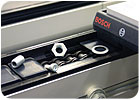
Check for missing chain caps that could allow fasteners into
the system. Photo courtesy Bosch Rexroth Corp.
Pallet-based flexible conveyor systems provide a wealth of benefits in just about any assembly operation. Suitable for applications ranging from small electronic parts to appliances, automotive drivetrains and even medical devices, these conveyors help improve production, achieve higher product quality and enhance manufacturing flexibility. And with different choices for conveying media-including belt, flat-top chain or roller chain-there are plenty of configurations available depending on the application.
While most OEMs and end-users expect their pallet-based conveyor systems to be durably designed and destined for a lengthy service life, longevity and superior efficiency can only be achieved through proper maintenance. Failure to properly maintain industrial conveyors can greatly reduce the system’s life and produce unexpected and costly downtime. Although it may seem inconvenient to regularly check for potential problems, it’s a better alternative to schedule limited downtime for routine maintenance rather than face an untimely and catastrophic problem.
While maintenance schedules can certainly vary according to the complexity of the conveyor system, there are several things that can, and should, be done on a regular basis to ensure proper functionality of flexible assembly conveyor systems.
Daily Maintenance Checks
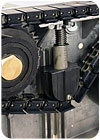
Such checks may sound like common sense, but they are often overlooked. Inspect conveyor belts and chains daily, and remove any small parts and debris that may accumulate there. Examine belts for any visible wear, damage or separation. Visibly damaged belts should be replaced immediately.Check
drive train tensioners and lubricate drive sprockets as required for maximum
performance and system longevity. Photo courtesy Bosch Rexroth Corp.
Weekly Maintenance Checks
Another factor contributing to the performance and longevity of the conveyor system is overall cleanliness. As a result, conveyor systems should be wiped down once a week and all grease and dirt removed from the conveyor and corresponding modules.Next, inspect the bottom of the pallets for debris that may become embedded. Fasteners from the product you’re assembling have a nasty way of sticking where they’re not supposed to. Also check T-bolts on the pallet stop gates and retighten them if they are loose. If a stop gate is skewed, it could indicate a fastener is loose.
Be sure to inspect and lubricate power transfer chains, sprockets and flange bearings, and make certain chain tensioners are in the acceptable tension range, since chains will stretch over time. Some companies make it extremely easy to check the tension range. Some drive units, for example, feature a special chain indicator slot through which a pin clearly indicates the location of the tensioner.
Monthly Maintenance Checks
There are several monthly actions you can implement to extend the life of the conveyors.Lubricate toothed belts on conveyors with light-grade oil, and check for loose or missing fasteners and tighten or replace them as needed.
Remove side guards on drive and return units, and clean locations where debris has accumulated. Small parts can fall and get caught between the belt and guide profile, and do tremendous damage to the belt, guide profiles, drives or returns.
Wipe any dirt or grime from the fan shrouds of all motors to maintain proper motor cooling and ensure the best possible performance. Also make certain all cooling components are running efficiently; heat leads to increased wear, poor system performance and premature belt failure.
Next, check for any loose or missing fasteners. Through heavy use, fasteners can become loose in other key areas, such as on the conveyor’s foundation.
Quarterly Maintenance Checks
On a quarterly basis, maintenance technicians should inspect the conveyor chain for stretching and wear. As a chain expands, the chain and corresponding drive sprockets wear in unison. But since the sprockets will reach the end of their life cycle and be replaced before the chain, the new sprockets will stretch the chain at a faster pace due to the disagreement in pitch length.In addition, it’s also recommended that manufacturers utilize maintenance training and tune-up and consultation services available from most conveyor manufacturers. For example, some companies will visit your facility, inspect the conveyor in motion and provide recommendations and solutions to keep the conveyor running efficiently.
By regularly taking a few minutes and keeping your conveyor system in pristine condition, you can save a lot of time and money in the future.
Sidebar: Conveyor Maintenance Checklist
Taking the time to perform several routine maintenance procedures listed below can significantly increase the efficiency and longevity of your assembly conveyors.ASSEMBLY ONLINE
For more information on conveyor maintenance, read these articles:
Looking for a reprint of this article?
From high-res PDFs to custom plaques, order your copy today!


