Nature Inspires Heat-Resistant Wiring Insulation
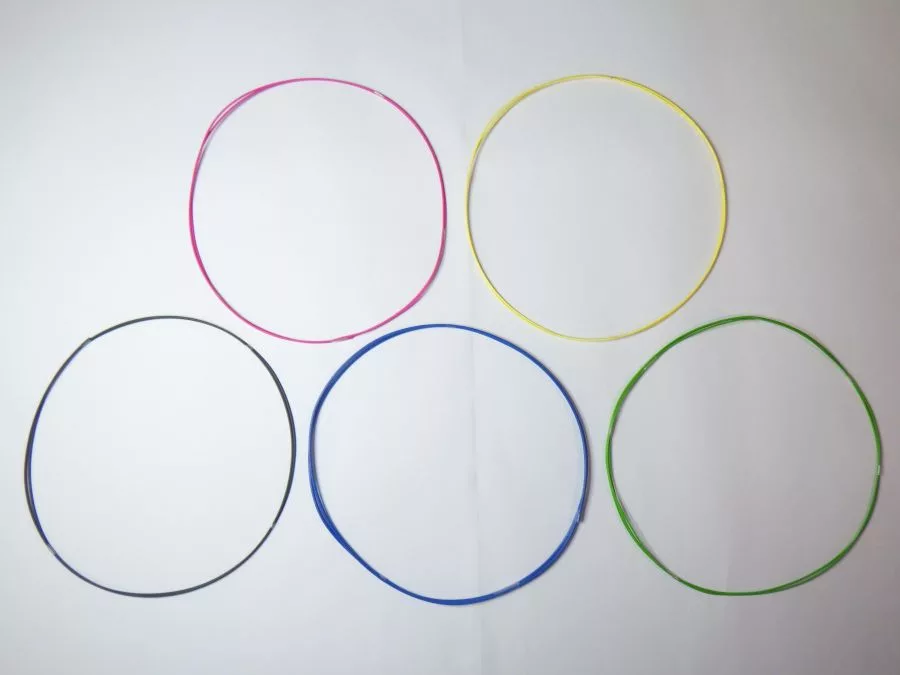
IRRAX BM wire uses sustainable insulation material derived from discarded scallop shells. Photo courtesy Sumitomo Electric Industries Ltd.
TOKYO—Biomimicry, the practice of adapting nature's designs and strategies, has inspired numerous breakthroughs in adhesives, aerodynamics and other fields. The latest one involves a new type of wire that is based on scallop shells.
Engineers at Sumitomo Electric Industries Ltd. recently developed IRRAX BM, a biomass electrical wire that meets the UL standard for heat-resistance up to 125 C. It uses sustainable insulation material derived from discarded scallop shells.
Traditionally, wire insulation materials have primarily been made from petroleum-derived raw materials. However, and CO₂ emissions during disposal and incineration have been a major concern.
To address these challenges, Sumitomo Electric is focusing on biomass raw materials that absorb CO₂ during their growth and do not contribute to an increase in atmospheric CO₂ levels when burned. The goal is to reduce environmental impact while ensuring reliability and safety.
To produce the new heat-resistant wire, crushed scallop shells are blended as a filler into the cross-linked polyethylene sheath.
Sumitomo Electric claims IRRAX BM “maintains electrical, mechanical and flame-retardant properties equivalent to those of conventional products.”
Looking for quick answers on assembly and manufacturing topics? Try Ask ASM, our new smart AI search tool. Ask ASM
Looking for a reprint of this article?
From high-res PDFs to custom plaques, order your copy today!