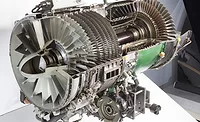
GE Aerospace Completes Hybrid Electric Engine Ground Test
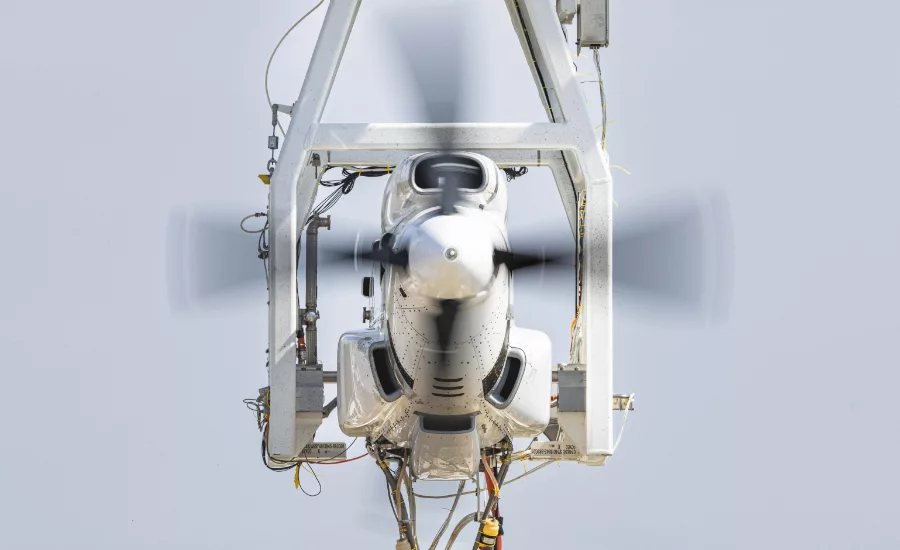
CINCINNATI – GE Aerospace has completed ground testing of a megawatt-class hybrid electric engine system, marking the company’s first validation of a fully integrated hybrid electric propulsion system and moving the technology closer to future flight demonstrations.
The test, conducted through NASA’s Electrified Powertrain Flight Demonstration program, integrated electric motor-generators, power electronics, controllers, propellers, gearboxes and a CT7 engine into a single hybrid electric powertrain.
During testing at GE Aerospace’s Peebles Test Operation facility in Ohio, engineers simulated multiple phases of flight, including taxi, takeoff, climb and cruise. The system successfully powered the propeller while also generating electricity for battery charging.
According to GE Aerospace, the test used flightworthy components designed to meet commercial aviation safety and reliability requirements, representing a significant step toward certification-ready hybrid electric propulsion systems.
A hybrid electric engine combines electric propulsion components with a traditional gas turbine engine, allowing power to be managed differently throughout various phases of flight. The technology is being developed as part of broader efforts to improve aircraft efficiency, durability and range while reducing fuel consumption.
The milestone also supports technology development for CFM International’s Revolutionary Innovation for Sustainable Engines (RISE) program, which is evaluating a range of next-generation propulsion technologies, including hybrid electric systems, compact engine cores and Open Fan architectures.
GE Aerospace said the company has spent more than a decade developing hybrid electric aviation technologies. Previous milestones include testing a motor-driven propeller in 2016, conducting the first megawatt-class hybrid electric propulsion test under simulated flight conditions in 2022 and demonstrating hybrid electric power transfer in a narrowbody turbofan engine in 2025.
The company said hybrid electric systems are compatible with multiple fuel types and could play a role in future commercial aircraft and advanced air mobility applications.
Looking for quick answers on assembly and manufacturing topics? Try Ask ASM, our new smart AI search tool. Ask ASM
Looking for a reprint of this article?
From high-res PDFs to custom plaques, order your copy today!