Material Considerations for Small-Appliance Design
Advancements in polymers in recent years are expanding the capacities of cooking appliances. Lightweight, tough plastics are catching up to the dishwasher durability and surface integrity of glass, but are consumers ready to pay more for it?
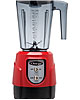
For designers, creating functional, stylish small appliances often comes down to one factor: the product’s end use. From commercial to residential settings involving tasks such as grinding, mixing or chopping, designers must evaluate the end-use requirements of the product and consider the best material to meet functional and aesthetic needs.
For example, when developing a blender for everyday commercial use, designers can expect the blender jar will be put through multiple dishwasher cycles, handled when filled to capacity with a variety of foods, knocked about to release lodged ingredients and occasionally dropped. In scenarios like these, a tough, dishwasher-durable and lightweight material is needed. Considering the toughness, dishwasher durability, stain and odor resistance, weight and design advantages required for each appliance application can help designers identify the optimum material.
Selecting materials with added durability improves a product’s overall sustainability because having fewer broken parts reduces overall waste. Products made with durable materials often require less secondary protective packaging, reducing the cost to ship products from the manufacturer to the retailer. For retailers, durable products mean less in-store breakage when products are bumped or knocked off shelves. For end users, it means fewer broken parts.
The downside of toughness is twofold: cost and weight. Durable polymers are generally more expensive. Thicker fabrication adds expense to the product and weight. Consumers will say you don’t make ’em like they used to, but neither will consumers pay what they used to. The gap between these two is filled by material advancements.
In the past, designers have been limited to polycarbonate for their products to achieve superior durability while maintaining clarity. Within in the past five years, material advancements have resulted in new copolyester materials that can be used to make many housewares and small appliances more impact- and shatter-resistant. These materials can also be used to create products that can be aggressively handled, such as sports water bottles, medical devices, faceshields and office chair mats. By adding to designers’ material portfolios and product offerings, durable, tough materials also allow designers address the challenges posed by innovative housewares and small-appliances.

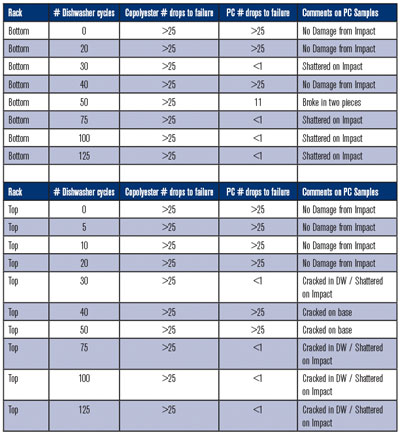
In any setting, when considering dishwasher durability, a material’s combined resistance to heat, chemicals, hydrolysis and scratches determines how well it will perform. Materials that exhibit these traits can maintain aesthetic and functional qualities after exposure to aggressive dishwasher detergents and temperatures reaching more than 70
Stain- and odor-resistant materials are advantageous for drinkware, coffee and tea presses, food storage containers and beverage dispensers. Products made from materials like glass, stainless steel and certain copolyesters have a longer life cycle because they maintain functional and aesthetic appeal by not discoloring or retaining odors.
Commonly selected for their lightweight properties, copolyester and polycarbonate provide users with a combination of durability and reduced weight not possible with glass.
Applications requiring vibrant coloring for a differentiated line of products can rely on the versatility of many plastics. Unlike glass that is processed at extreme temperatures up to 1,500⁰C, plastic is processed at much lower temperatures so organic colorants don’t degrade, increasing the overall color options.
Designers aiming to create unique, sculpture-like appliances that will likely be left out on a countertop can benefit from plastic materials that can be molded into a variety of shapes, allowing crisp lines, sharp corners and edges, thick and thin transitions and surface textures. For housewares products such as measuring cups, spoons and blender jars, glass or plastics allow additional details of silk screening, labeling, etching or embossing of measurements and lines.
Products that can benefit from designs incorporating different types of materials, such as a plastic chopper container with a metal blade or a plastic beverage pitcher with a soft-touch elastomer handle, should be made of a material that enables multiple material integration.
Incorporating more than one type of material into a product design can enhance the overall function and ease of use. For example by leveraging the inherent advantages of materials and integrating a soft-touch rubber material into a hard metal or plastic, designers can create an ergonomically comfortable pitcher handle. Designers who address a product’s end use first and select a variety of materials that work together to meet those user needs will create a product with superior overall performance and enhanced user experience.
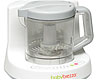
The product’s bowl had to be dishwasher-durable for ease of use and cleanup, and it had to provide excellent clarity so the food and its consistency could easily be seen. In addition, a baby food maker that steams and blends in one step must also have a bowl that is heat-resistant to withstand the effect of steaming fresh fruits and vegetables, but also durable so it doesn’t break when dropped. The material utilized for the product’s bowl also had to easily integrate with the bowl’s metal mixing blade.
Considering the requirements that were necessary to make the unique multifunctional baby food maker, the manufacturer managed to find a relatively new copolyester that met all of these demands. The plastic led to the successful launch for the now famous one-step baby food maker.
For designers, creating functional, stylish small appliances often comes down to one factor: the product’s end use. From commercial to residential settings involving tasks such as grinding, mixing or chopping, designers must evaluate the end-use requirements of the product and consider the best material to meet functional and aesthetic needs.
For example, when developing a blender for everyday commercial use, designers can expect the blender jar will be put through multiple dishwasher cycles, handled when filled to capacity with a variety of foods, knocked about to release lodged ingredients and occasionally dropped. In scenarios like these, a tough, dishwasher-durable and lightweight material is needed. Considering the toughness, dishwasher durability, stain and odor resistance, weight and design advantages required for each appliance application can help designers identify the optimum material.
Toughness
Nearly all small appliances can benefit from tough, durable materials. By selecting these materials, designers create advantages for brand owners, manufacturers, retailers and users alike. For brand owners, providing users with lasting, reliable and high-quality products can elevate a brand’s value and increase customer loyalty, while durable materials mean less in-plant breakage and overall waste for manufacturers.Selecting materials with added durability improves a product’s overall sustainability because having fewer broken parts reduces overall waste. Products made with durable materials often require less secondary protective packaging, reducing the cost to ship products from the manufacturer to the retailer. For retailers, durable products mean less in-store breakage when products are bumped or knocked off shelves. For end users, it means fewer broken parts.
The downside of toughness is twofold: cost and weight. Durable polymers are generally more expensive. Thicker fabrication adds expense to the product and weight. Consumers will say you don’t make ’em like they used to, but neither will consumers pay what they used to. The gap between these two is filled by material advancements.
In the past, designers have been limited to polycarbonate for their products to achieve superior durability while maintaining clarity. Within in the past five years, material advancements have resulted in new copolyester materials that can be used to make many housewares and small appliances more impact- and shatter-resistant. These materials can also be used to create products that can be aggressively handled, such as sports water bottles, medical devices, faceshields and office chair mats. By adding to designers’ material portfolios and product offerings, durable, tough materials also allow designers address the challenges posed by innovative housewares and small-appliances.
Dishwasher Durability
For ease and convenience of use, many small appliances require some dishwasher durability. However the level of dishwasher durability relies greatly on the setting in which a product will be used. Commercial-grade food processors will undoubtedly be used and washed five, 10 or even 20 times per day in a busy restaurant setting. Blenders for residential use may be used and washed only once per week or less.In any setting, when considering dishwasher durability, a material’s combined resistance to heat, chemicals, hydrolysis and scratches determines how well it will perform. Materials that exhibit these traits can maintain aesthetic and functional qualities after exposure to aggressive dishwasher detergents and temperatures reaching more than 70
Stain and Odor Resistance
Onions, garlic, tomato sauce and coffee are just a few of the fragrant and colorful foods that appliances and housewares may encounter during their life cycles. In most cases, users prefer products that don’t retain these scents and stains over time.Stain- and odor-resistant materials are advantageous for drinkware, coffee and tea presses, food storage containers and beverage dispensers. Products made from materials like glass, stainless steel and certain copolyesters have a longer life cycle because they maintain functional and aesthetic appeal by not discoloring or retaining odors.
Weight
Whether a product is made to be handled by an experienced chef in a crowded restaurant or a child helping a busy parent in a residential kitchen, lightweight materials make products easy to use. Appliances, e.g. blenders, made with lightweight materials are not only easier to handle when full, but also less expensive to ship than similar products made with heavier materials like glass. Lower-weight items also result in lower transportation-related energy consumption and greenhouse gas (GHG) emissions.Commonly selected for their lightweight properties, copolyester and polycarbonate provide users with a combination of durability and reduced weight not possible with glass.
Design Advantages
For designers, creating innovative and eye-catching products can come down to selecting the right material that enables creative designs. The limits of product design often stem from a material’s design potential, including the coloring, forming intricate cuts and shapes, decorative detailing and multiple material integration.Applications requiring vibrant coloring for a differentiated line of products can rely on the versatility of many plastics. Unlike glass that is processed at extreme temperatures up to 1,500⁰C, plastic is processed at much lower temperatures so organic colorants don’t degrade, increasing the overall color options.
Designers aiming to create unique, sculpture-like appliances that will likely be left out on a countertop can benefit from plastic materials that can be molded into a variety of shapes, allowing crisp lines, sharp corners and edges, thick and thin transitions and surface textures. For housewares products such as measuring cups, spoons and blender jars, glass or plastics allow additional details of silk screening, labeling, etching or embossing of measurements and lines.
Products that can benefit from designs incorporating different types of materials, such as a plastic chopper container with a metal blade or a plastic beverage pitcher with a soft-touch elastomer handle, should be made of a material that enables multiple material integration.
Incorporating more than one type of material into a product design can enhance the overall function and ease of use. For example by leveraging the inherent advantages of materials and integrating a soft-touch rubber material into a hard metal or plastic, designers can create an ergonomically comfortable pitcher handle. Designers who address a product’s end use first and select a variety of materials that work together to meet those user needs will create a product with superior overall performance and enhanced user experience.
Results of End Use Consideration
Considering the desired toughness, dishwasher durability, stain and odor resistance, weight and design of a product’s end use allows designers to select the most appropriate materials to create a functional, lasting product. By working together and addressing end users’ demands for household and commercial appliances, designers and material suppliers can introduce innovative products to the market.Sidebar: The Case of the Baby Brezza
From the onset of product development, Baby Brezza aimed to create a one-of-a-kind baby food preparatory appliance that could combine the multiple steps of baby food preparation of steaming and blending. To create a baby food maker unlike competing products on the market, Brezza had to specify a material that also provides a number of important characteristics for the product’s bowl.The product’s bowl had to be dishwasher-durable for ease of use and cleanup, and it had to provide excellent clarity so the food and its consistency could easily be seen. In addition, a baby food maker that steams and blends in one step must also have a bowl that is heat-resistant to withstand the effect of steaming fresh fruits and vegetables, but also durable so it doesn’t break when dropped. The material utilized for the product’s bowl also had to easily integrate with the bowl’s metal mixing blade.
Considering the requirements that were necessary to make the unique multifunctional baby food maker, the manufacturer managed to find a relatively new copolyester that met all of these demands. The plastic led to the successful launch for the now famous one-step baby food maker.
Source: appliance DESIGN
Looking for a reprint of this article?
From high-res PDFs to custom plaques, order your copy today!


