Automation
Leveraging AI-Powered Anomaly Detection to Transform Quality Inspection
AI-powered quality control relies on multiple advanced technologies to enhance anomaly detection in manufacturing environments.
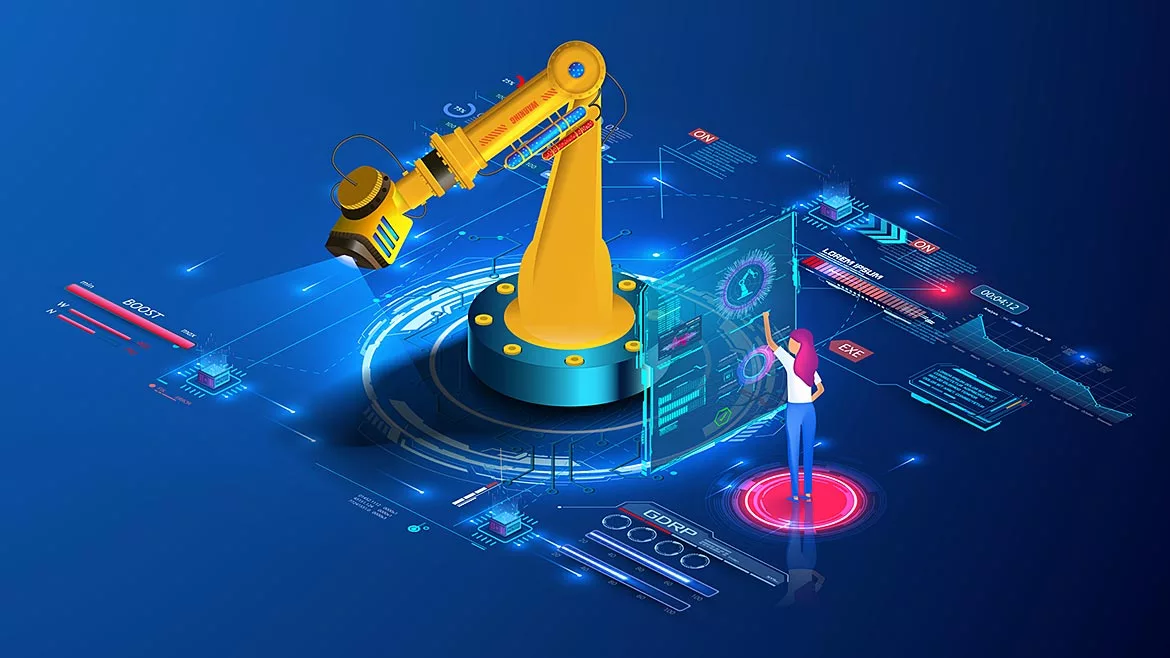
Image Source: NatalyaBurova / iStock / Getty Images Plus
In a survey conducted by MIT Technology Review, 64% of manufacturers indicated they are currently researching or experimenting with AI. This influx makes it increasingly critical for manufacturers to thoughtfully incorporate new technologies while ensuring product quality.
As industries strive to meet increasingly complex consumer expectations and regulatory standards, businesses must find new ways to improve accuracy, efficiency and cost-effectiveness in quality control processes. Historically, quality inspections have relied on manual reviews or basic automated systems. These approaches present significant challenges, including:
- Human error: Even experienced inspectors may overlook subtle defects due to fatigue or inconsistencies.
- Limited scalability: Manual inspections slow down production, making it difficult to meet high demand.
- Inflexibility in defect detection: Traditional automated systems struggle to identify complex defects or material variations.
AI promises to revolutionize quality control by introducing new features and capabilities that enhance precision, efficiency and proactive defect management. By integrating AI, manufacturers can transform their quality assurance processes, ensuring greater accuracy, cost savings and real-time monitoring.
One impactful innovation in this space is AI-driven quality inspection, which offers a game-changing solution using machine learning (ML) to automate defect detection with unparalleled precision. AI-powered anomaly detection is revolutionizing quality control by enhancing accuracy in defect identification, reducing operational costs through automation and providing real-time insights for proactive quality management.
Understanding AI-Powered Anomaly Detection
Anomaly detection involves identifying events or patterns that deviate from expected norms. It can range from basic outlier detection to advanced ML models that analyze vast datasets, uncovering hidden irregularities across multiple variables.
But how does AI identify product defects and inconsistencies?
AI-powered anomaly detection relies on deep learning models trained on large product image datasets. These models can recognize patterns in materials, textures and components and detect irregularities such as scratches, deformations and incorrect assemblies. These systems continuously learn and adapt to new defect types as production evolves. Once the AI tool flags a defect, manufacturing teams can take action to ensure the product is fixed or removed from production lines, helping the business maintain quality control and build trust with customers.
Key Technologies Driving AI-Powered Inspection
AI-powered quality control relies on multiple advanced technologies to enhance anomaly detection in manufacturing environments.
Looking for quick answers on assembly and manufacturing topics? Try Ask ASM, our new smart AI search tool. Ask ASM
One of the core components is computer vision, which allows AI to analyze product images at a pixel level to detect even the most minor imperfections that may go unnoticed by the human eye. Similarly, deep learning algorithms play a critical role in processing and classifying vast amounts of visual data, improving the AI system’s ability to distinguish between acceptable variations and true quality issues.
Edge computing enhances AI-powered inspection by enabling real-time data processing on the factory floor. Cameras and sensors work to process and analyze that data instantly, allowing workers to flag defects and swiftly take corrective action or escalate the issue as needed.
All these technologies work together to provide manufacturers with refined inspection processes that drive value for their business.
Benefits of AI in Quality Inspections
New AI capabilities like anomaly detection transform quality inspections by identifying problem areas with unmatched speed and precision. Unlike traditional inspection methods, AI can continuously learn and adapt, refining its detection capabilities to improve accuracy and efficiency over time, allowing users to reap the following benefits:
- Enhanced Detection Accuracy: AI systems support human inspectors by identifying subtle defects that might go unnoticed, improving overall product quality and streamlining traditionally time-consuming review processes.
- Increased Efficiency and Cost Savings: Amidst the ongoing labor shortage in manufacturing, AI-powered inspections help offset workforce gaps by reducing the need for manual labor. This technology speeds up production, lowers inspection costs and ensures consistent quality across production lines, allowing manufacturers to maintain efficiency despite staffing challenges. The tech-focused nature of the solutions also attracts the younger, digital native workforce.
- Real-Time Monitoring and Proactive Quality Management: AI systems enable manufacturers to detect defects instantly and adjust before products move down the assembly line. They can identify patterns in defects, helping manufacturers address root causes and improve production processes while minimizing waste by catching flaws early and reducing product rework and material loss.
- Scalability Across Production Lines: AI-based inspection systems can be easily scaled across multiple facilities and adapted to different product types with minimal reconfiguration, making them highly versatile and configurable for manufacturers of all sizes.
For instance, a food and beverage manufacturer could use AI-powered anomaly detection to identify contamination, packaging defects or inconsistencies in product appearance. By leveraging AI-driven imaging and real-time monitoring, manufacturers can ensure food safety, reduce waste and meet regulatory standards without slowing production.
The ability to detect even the smallest anomalies before products reach consumers strengthens brand reputation and operational efficiency.
Challenges & Considerations of AI in Quality Inspections
Integrating AI-powered tools like anomaly detection does not come without challenges. For AI-powered inspection systems to be effective, they require large volumes of labeled training data. Manufacturers must continuously refine AI models to improve accuracy and account for new defect types.
Additionally, businesses must ensure that AI inspection solutions integrate seamlessly with current enterprise resource planning (ERP) and other manufacturing systems to streamline workflows and improve operational efficiency. While AI-powered systems provide long-term cost savings, initial investments in hardware, software and employee training can be substantial. However, businesses can achieve ROI quickly through reduced labor costs, lower defect rates and higher production efficiency.
Manufacturers must also train employees to understand and manage AI-driven quality control processes. While some AI functions and systems will attempt to be intuitive and user-friendly, a level of change management is required to ensure a seamless implementation. Workers will transition from manual inspections to monitoring AI performance and interpreting its insights. Given the change in the work’s nature, it’s vital for company leaders to demonstrate to employees how the technology will make their lives easier. The more leadership can articulate the positive impacts, the more likely employees will adopt the new ways of working.
Future Trends in AI-Driven Quality Inspection
Looking to the future, AI-powered systems are poised to evolve rapidly, enhancing their ability to detect increasingly complex anomalies and predict defects based on production trends. As ML models grow more sophisticated, quality control processes will become more automated, precise and proactive, reducing waste and optimizing efficiency across industries.
Beyond manufacturing, AI-driven quality control is poised to expand into sectors such as healthcare, pharmaceuticals, agriculture and food safety, where precision and reliability are critical. These advancements will enable businesses to detect inconsistencies earlier, minimize risks and ensure compliance with industry regulations.
For manufacturers aiming to improve product quality, efficiency and cost-effectiveness, AI-powered inspection presents a strategic investment in the future of smart manufacturing. As AI technology advances, it will continue to redefine quality assurance, creating safer, more intelligent production environments that drive innovation and customer trust.
Looking for a reprint of this article?
From high-res PDFs to custom plaques, order your copy today!