Software
AI in Manufacturing: Reshaping Quality Control and Efficiency
AI is profoundly reshaping manufacturing, enabling businesses to achieve higher quality standards, greater operational efficiency and more imaginative resource utilization.
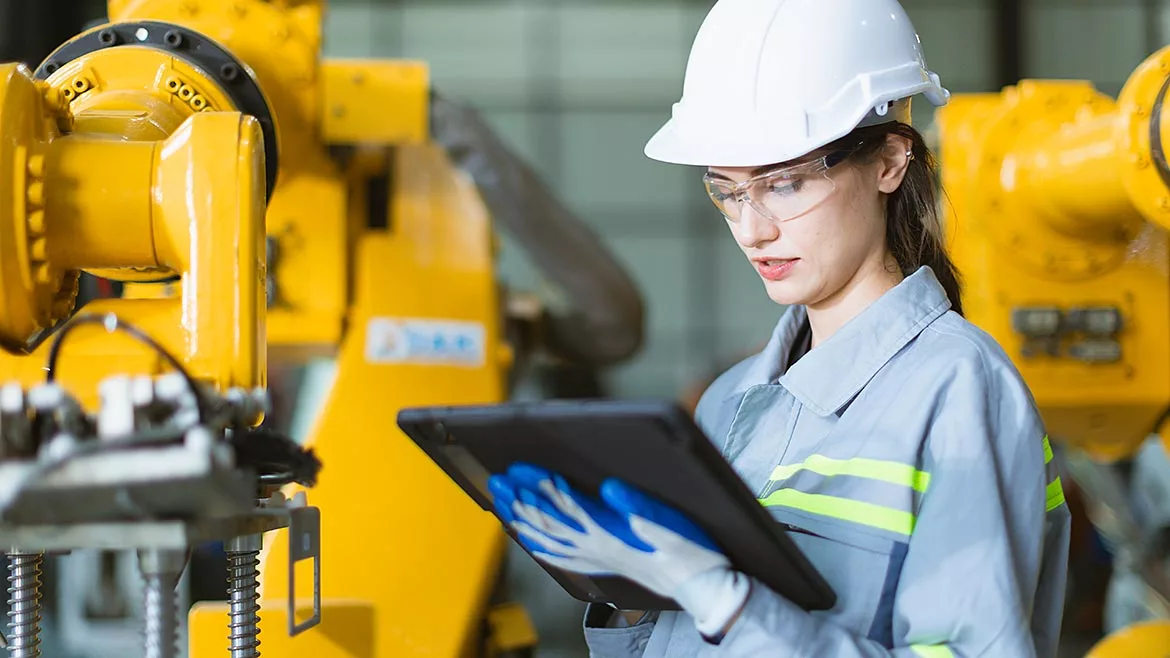
Image Source: coffeekai / iStock / Getty Images Plus
Every manufacturer knows the pain of unplanned downtime: the grinding halt of production, the scramble to identify the problem and the hours—or days—lost. Imagine a tool that could predict machine failures before they happen, allowing you to act in advance. AI-powered predictive maintenance is doing precisely that, saving manufacturers millions and keeping production lines running smoothly. The future of manufacturing isn’t just about building faster—it’s about building smarter.
A recent Deloitte study found that 86% of manufacturing executives believe intelligent factory technologies, including AI, will drive competitiveness in the next five years. By leveraging advanced tools like predictive maintenance systems and real-time quality monitoring, manufacturers are reducing costs, minimizing downtime and achieving higher standards of precision and reliability. AI is reshaping how manufacturers meet the challenges of today’s demanding markets.
6 Ways AI Enhances Manufacturing Processes
1. Predictive Maintenance and AI-Powered Insights
AI-powered predictive maintenance systems are changing how manufacturers manage machinery, cutting downtime, reducing costs and ensuring consistent product quality. By analyzing data from sensors—such as temperature, vibration and movement—and external factors like weather, AI predicts when machines require maintenance before issues arise.
This proactive approach extends the life of machinery, optimizes resources and improves product quality. Well-maintained equipment operates at peak performance, producing consistent and high-quality outputs. For instance, an industrial blender maintained through AI-driven insights delivers uniform mixtures, resulting in superior end products.
Beyond quality and efficiency, AI also enhances workplace safety. Systems that predict and prevent equipment failures significantly reduce the risk of accidents caused by unexpected breakdowns, creating a safer environment for workers.
2. Real-Time Quality Control
Traditional quality control methods often require manual inspections, which can be time-consuming, prone to errors and may miss critical defects. AI-powered anomaly detection offers a modern alternative, identifying outliers and inconsistencies in real-time to ensure products meet strict quality standards.
As of 2024, 63% of manufacturing companies report using AI for quality control, with applications expanding into predictive maintenance and real-time process optimization. An integrated quality management suite (QMS) further enhances this approach by providing robust tools for managing and tracking quality across production processes. QMS solutions allow manufacturers to improve defect detection using machine learning algorithms that pinpoint deviations early. QMS platforms also streamline quality audits, enabling manufacturers to maintain compliance with minimal effort.
Looking for quick answers on assembly and manufacturing topics? Try Ask ASM, our new smart AI search tool. Ask ASM
3. Optimized Inventory Management
AI algorithms enable predictive demand forecasting by analyzing historical data, market trends and customer behavior to anticipate future needs. Understanding future needs helps manufacturers optimize inventory levels and reduce overstock and stockouts.
Simultaneously, AI-driven automated replenishment systems improve efficiency by streamlining order fulfillment and reducing manual intervention. AI enables manufacturers to better plan year-round operations, reduce waste and improve cash flow by using trend-based forecasting models that incorporate seasonality and market shifts.
4. Autonomous Manufacturing
AI-driven automation reduces human intervention in manufacturing processes, enhancing efficiency and consistency. Robotic automation allows teams to continuously perform tasks like assembly, welding and packaging via AI-powered systems, ensuring consistent quality and increasing throughput.
Collaborative robots, or cobots, work alongside humans to improve efficiency and safety by picking parts, performing quality inspections and carrying out other highly repetitive tasks. These innovations allow manufacturers to streamline operations while maintaining precision and reliability.
5. Labor Management Optimization
Labor costs are a significant expense for manufacturers, but AI is helping to optimize workforce management. By analyzing production demands, employee availability and historical performance data, AI creates efficient work schedules tailored to meet business needs. Predicting employee productivity ensures the right resources are allocated at the right time, improving efficiency on the shop floor.
AI also identifies skill gaps, enabling targeted training programs that upskill employees and improve their capabilities – such as quality and compliance training. Additionally, AI reduces workplace injuries and creates a safer workplace environment by automating high-risk tasks, increasing employee satisfaction and retention.
6. Cost Reduction and Efficiency Gains
AI minimizes reliance on manual labor by automating repetitive tasks and optimizing resource allocation, which reduces operational costs. Manufacturers benefit from streamlined processes, less waste and increased productivity, all of which contribute to a more robust bottom line. With AI, manufacturers are redefining what’s possible in their operations.
AI Adoption: Challenges & Solutions
Implementing AI isn’t without its hurdles. From budgetary concerns to integrating with legacy systems, manufacturers face practical challenges that require thoughtful strategies to overcome.
Challenge: High Initial Costs
Implementing AI solutions often demands substantial upfront investments in hardware, specialized software and infrastructure upgrades. For small and medium-sized manufacturers, these costs can be prohibitive, slowing adoption despite AI’s long-term benefits.
Solution: Manufacturers can use scalable business management systems with integrated AI capabilities to address high initial costs. Cloud-based AI platforms grow alongside their operations and provide a cost-effective alternative, eliminating the need for on-premises hardware.
Challenge: Data Management Needs
AI systems thrive on large volumes of high-quality data, but managing that data effectively is often challenging. Manufacturers need robust systems to collect, store and govern data to ensure it remains accurate and relevant.
Solution: By establishing data governance frameworks, manufacturers can standardize practices for data cleaning, organization and maintenance. These frameworks help manufacturers ensure datasets are consistent, accurate and readily accessible for AI analysis.
Challenge: Integration with Legacy Systems
Many facilities rely on older infrastructure that is not designed to integrate with modern AI technologies. Retrofitting these systems to work with AI solutions can be complex and expensive, often requiring extensive testing and modifications.
Solution: Manufacturers can bridge this gap using business management systems with built-in APIs and flexible integration capabilities. Staged integration strategies allow manufacturers to modernize their systems gradually, minimizing disruptions to ongoing operations.
Challenge: Workforce Upskilling
Training employees to work with AI tools, interpret data insights and oversee automated systems can be time-intensive and resource-heavy.
Solution: Manufacturers would be wise to invest in continuous learning and development programs to address this challenge. These initiatives help employees build the technical expertise needed to operate AI systems while ensuring they feel confident and empowered in adapting to their evolving roles.
Challenge: Data Security and Privacy Concerns
As AI systems handle massive volumes of sensitive operational data, they naturally attract cyberattacks.
Solution: AI helps manufacturers tackle these risks by enabling robust security protocols that safeguard critical information. Tools like advanced encryption, multi-level access controls and automated audits detect vulnerabilities and prevent unauthorized access. AI-driven compliance monitoring ensures adherence to regulations such as GDPR or CCPA, strengthening data protection and reducing the risk of costly breaches. By leveraging these AI-powered safeguards, manufacturers secure their systems and build trust with stakeholders, ensuring operations remain secure and compliant.
Driving Growth Through AI-Powered Operations
AI is profoundly reshaping manufacturing, enabling businesses to achieve higher quality standards, greater operational efficiency and more imaginative resource utilization. From predictive maintenance to real-time quality control, AI-powered solutions help manufacturers reduce costs, minimize downtime and adapt to shifting market demands. These technologies aren’t just improving processes—they’re redefining what’s possible, allowing manufacturers to stay competitive in a global business landscape that never stops evolving.
Manufacturers can unlock transformative results by taking a strategic approach to AI adoption—investing in scalable, adaptable solutions and empowering employees with the skills to harness AI. AI is a powerful tool that can help create a pathway to sustainable growth, smarter operations and meaningful innovation that benefits businesses and their customers.
Looking for a reprint of this article?
From high-res PDFs to custom plaques, order your copy today!