Industry Insight
Cost Engineering Drives Efficiency and Profitability

Cost analytics, cost modeling and related methodologies can help automotive engineers drive efficiency and profitability.
As the automotive industry navigates turbulent market conditions, the need for transparency and data-driven decision-making is more important than ever. Cost analytics, cost modeling and related methodologies can help manufacturing engineers drive efficiency and profitability.
Product cost engineering is a professional discipline focused on managing design and manufacturing costs throughout a product’s development cycle to ensure that it meets defined cost targets at the time of production. It involves activities such as cost estimation, cost control, forecasting, investment evaluation and risk assessment.
Also known as "design to cost,” cost engineering aims to align product designs with specific cost objectives before production begins.
“This broad field incorporates a variety of cost management techniques, including activity-based costing (ABC), quoting, target costing, cost modeling, value engineering and analysis, and should-costing,” says Jeff Miller, president of the Society of Product Cost Engineering and Analytics Inc. (SPCEA). “By drawing on expertise from engineering, finance and manufacturing, cost engineering seeks to optimize a product's cost across the entire life cycle.”
Miller currently serves as semiconductor technology cost lead at General Motors. He has more than 35 years of experience working for a variety of manufacturers, such as Ford Motor Co., Deere & Co. and Whirlpool Corp.
SPCEA was formed to promote the cost engineering profession, share best practices, provide continuing education and networking opportunities.
Autonomous & Electric Mobility recently asked Miller to explain how cost engineering can help automakers and suppliers.
Looking for quick answers on assembly and manufacturing topics? Try Ask ASM, our new smart AI search tool. Ask ASM

Cost engineering serves as a strategic tool for improving competitiveness, sustainability and profitability in a rapidly evolving industry. Photo courtesy Ford Motor Co.
AEM: Why is product cost engineering important to all manufacturers, whether they’re large or small?
Miller: Accurately understanding the design and manufacturing costs of a product is critical to maintaining profitability, regardless of company size. Identifying key cost drivers—and effectively measuring and managing them—is essential for controlling margins and achieving long-term financial success.
AEM: How has the cost engineering process changed over the last 15 to 20 years?
Miller: Cost engineering and design to cost have increasingly become a formal and integral part of a product’s design process. While the core technical and financial principles remain largely unchanged, many companies now view cost as a critical design parameter. They recognize that the most effective time to influence a product’s cost is during the design phase.
AEM: Is cost engineering more important today than ever?
Miller: Cost engineering is critical today. In a global economy where competition comes from every corner of the world, optimizing product costs is essential for market success. To remain competitive, companies must integrate cost optimization into the product development process from the start.
AEM: Has cost engineering in today’s business climate become more complex and challenging?
Miller: Cost engineering has become increasingly sophisticated, requiring robust computer cost models and reliable underlying cost databases. With dynamic variables such as exchange rates, labor costs, tariffs and other global factors at play, it is essential to understand how these elements—and their interactions—impact the final cost of a product in a meaningful and actionable way.
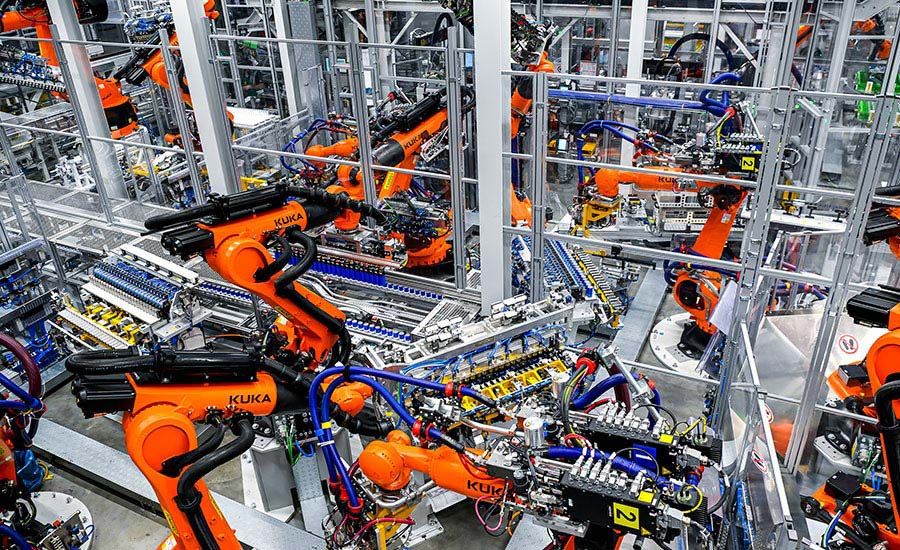
As the automotive industry navigates turbulent market conditions, the need for transparency and data-driven decision-making is more important than ever. Photo courtesy BMW AG
AEM: What is the biggest misunderstanding about cost engineering?
Miller: One of the most common misconceptions is that cost engineering is solely a finance activity. In reality, product cost engineers wear many hats and support multiple functions across the organization. For example, in product development, cost engineers collaborate closely with design engineers to guide cost-informed design trade-off decisions. With purchasing teams, cost engineers provide should-cost estimates and technical insights into the procurement of components and subassemblies. They provide technical expertise relative to cost drivers, supporting supplier negotiations and identifying cost savings or avoidance opportunities.
Cost engineers also play a key role in a company’s marketing efforts by creating competitive teardown analyses to determine if and where competitors have a cost advantage, and using this information to assist in setting cost targets. Beyond internal activities, some companies use their cost engineers to collaborate with suppliers to improve manufacturing processes and develop win-win cost optimization strategies.

Accurately understanding the design and manufacturing costs of a product is critical to maintaining profitability. Photo courtesy Stellantis
AEM: How can cost engineering help automakers and suppliers navigate today’s increasingly complex business environment?
Miller: Cost engineering provides cost transparency, optimizes early product decisions and supports supplier negotiations. It helps manage the financial impact of new technologies, supply chain disruptions and regulatory demands, while identifying inefficiencies and accelerating time to market. As a result, it serves as a strategic tool for improving competitiveness, sustainability and profitability in a rapidly evolving industry.
AEM: Is cost engineering more challenging in the automotive industry?
Miller: Supply chain complexity makes cost engineering more challenging in the auto industry. The global, multi-tiered nature of automotive supply chains, combined with a high number of specialized parts, rapid technological shifts (like EVs and ADAS), and sustainability demands, can add layers of difficulty. Cost engineers must navigate limited visibility, evolving cost drivers and high-volume pressures where small miscalculations can lead to significant financial impact. These factors make accurate, agile cost management essential, but more demanding in this industry.

Cost engineering seeks to optimize a product's cost across the entire life cycle. Photo courtesy Toyota Motor Corp.
AEM: Does cost engineering for electric vehicles require a different mindset than for traditional internal combustion engine vehicles?
Miller: Cost engineering for electric vehicles doesn't require a fundamentally different approach than for ICE vehicles, as the core financial principles remain the same. However, EV technology changes frequently, with innovations in AI, batteries and electromechanics playing a significant role in overall costs, unlike ICE vehicles, where technologies and manufacturing processes are more established and standardized.
AEM: How important are supplier scorecards and what are some key things that should be tracked?
Miller: Supplier scorecards are a valuable tool for supporting sourcing decisions by offering a clear, side-by-side comparison of suppliers. Typical evaluation metrics include quality ratings, financial stability, delivery performance and pricing. From a cost engineering perspective, tracking the gap to target cost is also beneficial, as it helps identify potential savings opportunities.
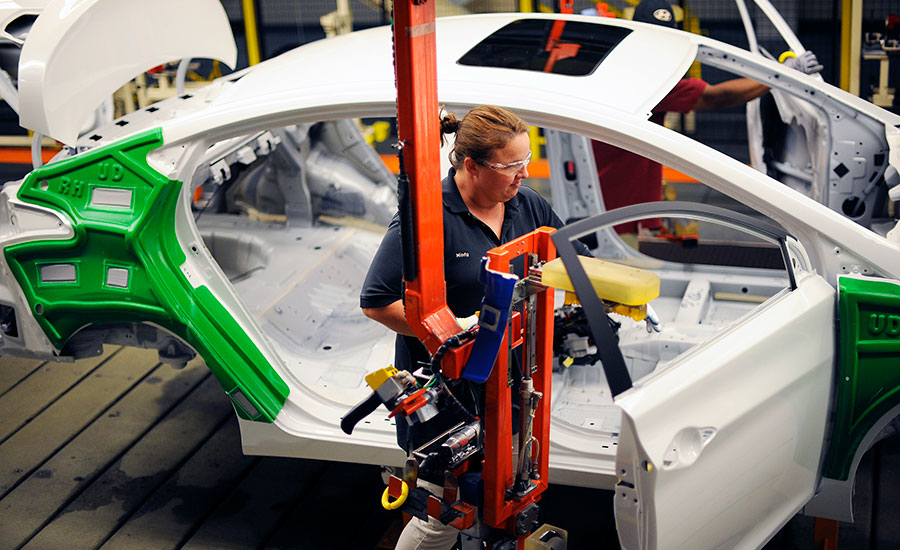
Identifying key cost drivers is essential for controlling margins and achieving long-term financial success. Photo courtesy Hyundai Motor Co.
AEM: In most organizations, what department typically “owns” cost engineering?
Miller: Cost engineering is essential for organizational efficiency, but its placement varies across companies. To explore this, SPCEA recently conducted a survey to see where cost engineering sits within different organizational structures. The results revealed that finance accounts for 38 percent, followed by product development and engineering (24 percent) and procurement (22 percent). Many companies house the cost engineering function within the finance department, recognizing the need for strong financial expertise in generating accurate cost estimates. This placement is also seen as a means to preserve objectivity in cost evaluations.
In the product development and engineering structure, cost engineering is embedded in the early stages of product design, where changes are less expensive and easier to implement. These organizations treat cost as a key design parameter, using cost engineering tools to support target costing and promote cost-consciousness from the outset. When aligned with procurement, cost engineering primarily supports the development of should-cost models and supplier negotiations. This alignment helps improve sourcing strategies. Some organizations have standalone cost engineering teams or teams that are distributed across multiple departments.
These findings highlight the varied approaches organizations take to integrate cost engineering into their operations. Each model offers distinct advantages and challenges, and understanding these differences is essential for companies aiming to strengthen their cost management capabilities and achieve long-term operational success.
Looking for a reprint of this article?
From high-res PDFs to custom plaques, order your copy today!