Assembly Lines
NIST Report Calls for Sustainable Metals Infrastructure
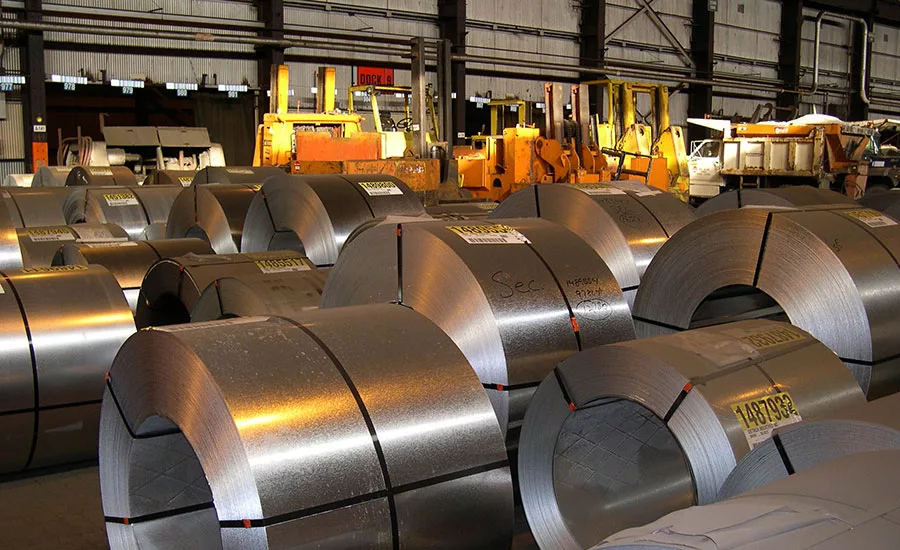
The United States needs to develop a more efficient, sustainable and resilient metals processing infrastructure.
GAITHERSBURG, MD—According to a recent report from the National Institute of Standards and Technology (NIST), the United States needs to develop a more efficient, sustainable and resilient metals processing infrastructure.
The goal is to ensure that metals are used and reused more efficiently throughout the entire material life cycle, including mining, alloy design, manufacturing, reuse and recycling.
“Making metals processing more sustainable and resilient against supply chain disruptions and resource scarcity is key to promoting U.S. innovation and industrial competitiveness, while strengthening economic and national security,” says Andrew Iams, Ph.D., a materials research engineer at NIST who co-authored the report. “Meeting these challenges requires a new approach in how to source, process, use and recycle metals.”
The report covers various topics related to metals manufacturing, from new technologies for extracting and processing bulk materials, like aluminum and steel, to developing new modeling and data tools to design advanced alloys. It highlights the importance of critical materials, including minerals containing lithium and cobalt that are key manufacturing batteries, medical devices, semiconductors and smartphones, as well as superalloys used in military hardware and jet engines.
“These materials can be challenging to obtain due to limited availability and the risk of supply chain disruptions,” explains Iams. “Industries can address these issues by diversifying their supply chains with new sources, identifying substitute materials and improving recycling methods to enable greater recirculation of existing materials.
The report also highlights the need to improve standards for metals reuse and recycling. For instance, Iams believes that better standards can make the separation of metals for recycling more efficient, reducing industry costs. New certification programs can help ensure that products made with recycled content meet performance standards, which could expand the market for recycled materials.Looking for quick answers on assembly and manufacturing topics? Try Ask ASM, our new smart AI search tool. Ask ASM
Looking for a reprint of this article?
From high-res PDFs to custom plaques, order your copy today!