U.S. Manufacturing Grows in January, Ending Yearlong Contraction
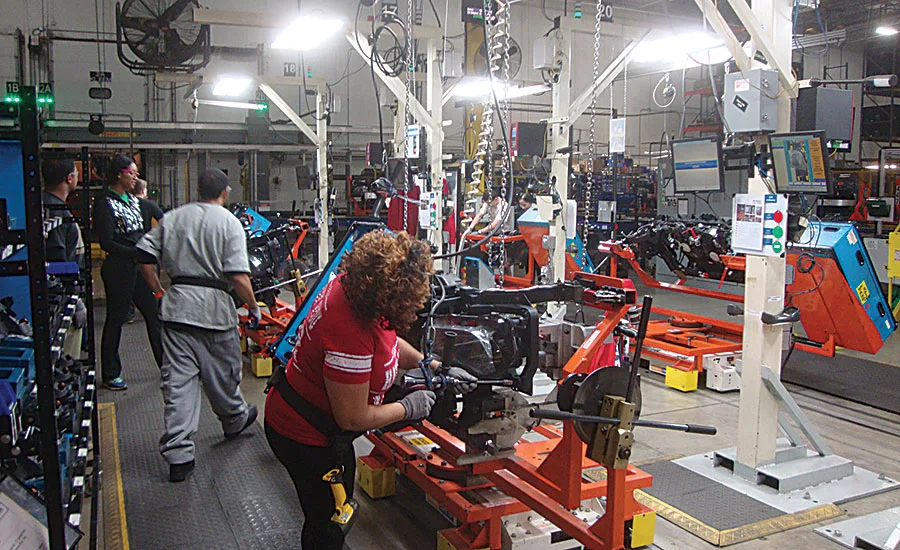
WASHINGTON— U.S. manufacturing activity grew in January and has returned to expansion for the first time in a year, driven by a sharp rebound in new orders. Factory operators, however, are still navigating higher input costs, labor pressure and supply chain strain.
The Institute for Supply Management said its manufacturing purchasing managers index rose to 52.6 in January, up from 47.9 in December. Readings above 50 signal expansion.
The January result marked the strongest showing since August 2022 and ended a 10-month stretch of contraction.
The rebound appears to reflect improving order flow. The ISM’s new orders index jumped to 57.1, its highest level since February 2022, indicating stronger demand moving into early 2026. Backlogs also increased, and export orders showed modest improvement.
“The ISM manufacturing index blew past expectations at the start of the year, registering the fastest pace of expansion in over three years,” said Matthew Martin, senior economist at Oxford Economics. “Strong new orders, a rising backlog of orders and low customer inventories suggest there will be continued momentum in the sector.”
At the same time, manufacturers reported mounting pressure on costs and logistics. The supplier deliveries index rose to 54.4, indicating slower deliveries. While slower delivery times can signal rising demand, manufacturers also suggested supply chain friction as a contributing factor.
Input costs continued to climb. ISM’s prices paid index increased to 59.0, suggesting raw material prices remain elevated and could continue to squeeze margins. Economists expect those pressures to keep goods inflation above the Federal Reserve’s 2% target in the near term.
Looking for quick answers on assembly and manufacturing topics? Try Ask ASM, our new smart AI search tool. Ask ASM
The employment index rose to 48.1 from 44.8, signaling a slower pace of job losses but continued contraction. Manufacturing employment fell by 68,000 jobs last year. While some growth pockets have emerged, particularly in technology-related manufacturing tied to artificial intelligence investment, broader factory output has yet to see a sustained rebound. Manufacturers also continue to weigh the impact of tariffs on pricing and supply chains. Federal Reserve Chair Jerome Powell said inflation pressures tied to tariffs are expected to peak later this year, though near-term effects remain visible in factory cost structures.
“We've been here before, with the post-election surge leading to a false dawn at the start of 2025,” said Martin. “However, we expect that the fiscal boost from the [One Big Beautiful Bill Act], interest rate relief, increased defense spending and the continued boost from AI investment should support more sustained expansion in the sector in 2026.”
Overall, January’s data point to stabilizing conditions and improving order books, but manufacturers are still operating in a cautious environment marked by cost inflation, labor constraints and supply chain complexity. The return to expansion suggests momentum is building, but industry leaders remain focused on execution, cost control and demand durability.
Looking for a reprint of this article?
From high-res PDFs to custom plaques, order your copy today!