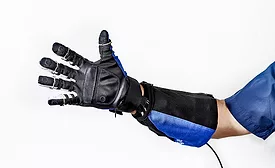
DETROIT—Robotic glove technology developed out of a partnership between General Motors and NASA for use on the International Space Station is finding new life on Earth in health care, manufacturing and other industrial applications through a licensing agreement between GM and Bioservo Technologies AB, a Swedish medical technology company.
SPARTANBURG, SC—Workers at BMW’s automotive assembly plant here are testing an electromechanical exoskeletal vest designed to reduce muscular strain related to performing overhead work.
NEW YORK—Approximately 3.7 million workers are injured at work each year, costing businesses $170 billion annually. Injuries caused during material handling represent the majority of incidents, accounting for 32 percent of insurance claims.
Employees at Fiat Chrysler’s Indiana Transmission Plant I (ITPI) in Kokomo, IN, have achieved something few in manufacturing can claim—they have logged 10 million hours, or a span of more than three years, without a lost-time injury.
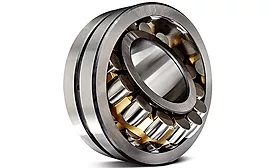
Times were tough for the Timken Co. at the start of the 21st century. In March 2000, the Canton, OH-based manufacturer of antifriction roller bearings and related components announced plans to cut 600 jobs worldwide—after having trimmed 1,700 jobs in the previous two years. It also closed plants in Australia and England, and was relying more heavily on sources of steel outside the United States.
Although preventive health management in businesses is an ideal tool for driving down high healthcare costs, many companies have so far neglected this important area.
WASHINGTON—Workplace injuries and accidents that cause employees to miss six or more days of work cost U.S. employers nearly $62 billion in 2013, according to the 2016 Liberty Mutual Workplace Safety Index.
DEARBORN, MI—Since 2003, Ford has reduced the injury rate by 70 percent for its more than 50,000 “industrial athletes” in the U.S., and many more around the world, through new ergonomics technology, lift-assist devices, workstation redesign and data-driven process changes.