SEATTLE—Joe Sutter, the Boeing Co. engineer who ushered in the modern era of long-range travel by spearheading the 747 jumbo jet in the 1960s, died this week. He was 95.
EVERETT, WA—The Boeing Co. is streamlining 767 production as it prepares to make more of the durable widebody jet in 2017. Boeing plans to increase the production rate for 767s from two a month to 2.5 planes a month next year.
CHICAGO—Boeing is honing designs for midrange planes that could fill the gap between the largest single-aisle 737 and the smallest widebody 787 — a relatively untapped market where Airbus is starting to extend its reach.
EVERETT, WA—Boeing’s new $1 billion factory here features state-of-the-art automation that will be used to build wings for the next-generation 777X jetliner.
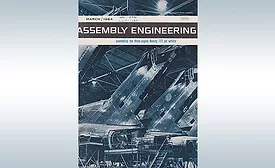
When Boeing was founded 100 years ago, engineers were concerned about how to use wiring to brace wings. As aircraft became more complex, engineers turned their attention to solving numerous wire harness assembly challenges. Many of their innovative solutions have been chronicled in the pages of ASSEMBLY magazine.
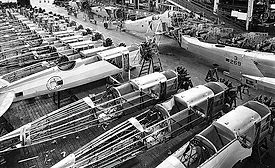
When the first issue of ASSEMBLY rolled off the printing press in October 1958, the jet age was just beginning. Aerospace manufacturers were busy churning out bigger, faster, quicker and lighter products for a wide range of commercial and military applications.
When it comes to developing new production tools and assembly processes, it’s hard to beat Boeing. The company has always been ahead of the curve implementing new technology on its assembly lines.
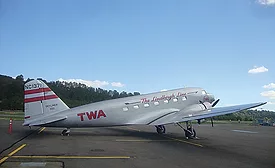
Boeing and its heritage companies, such as Douglas Aircraft Co., McDonnell Aircraft Corp. and North American Aviation Inc., have produced hundreds of different types of airplanes, helicopters, missiles, rockets, satellites, spacecraft and other flying objects over the last 10 decades.
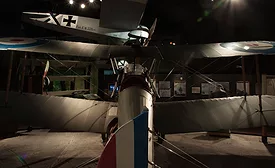
The world was a much different place when William Boeing started to build aeroplanes in a small boathouse along the shore of Seattle’s Lake Union in 1916. Flying machines were still a novelty. Most aviation records, such as altitude, distance and speed, were held by European aircraft manufacturers and pilots.