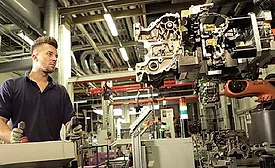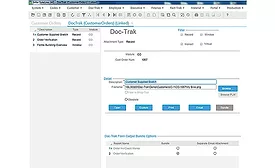
Bearing manufacturers face a plethora of challenges every day, regardless of where they are located and the industries they serve. One such company is Philadelphia-based Kingsbury Inc., which has been around for 108 years, and is recognized as a technological leader in the development of all types of bearings for rotating machinery.
In its latest report, BCC Research projects the global drug delivery market to grow to nearly $227.3 billion by 2020, with a compound annual growth rate of 4.9 percent. This is great news for the French company Nemera, which designs and manufactures world-class drug delivery devices for the pharmaceutical industry.
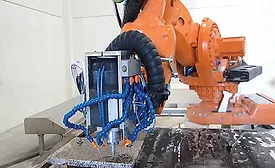
Traditionally, multiple pieces of equipment have been required to process a stone slab. Separate machines that cut, drill or finish the slab surface have been used by stone-processing companies worldwide for centuries.
Every manufacturer has one want and many needs. The want is universal, to be the leader in its industry or area of specialty. The needs are individual, and may concern issues as diverse as increasing capital, upgrading technology, expanding plant size or hiring more assemblers.
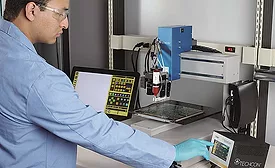
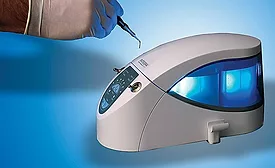
Selecting the automated dispensing technology that is the best fit for a specific application is not a decision to be made lightly. This is understandable in light of the many technologies that are available, including the progressive cavity pump, auger valve, time-pressure valve and pneumatic jet valve.
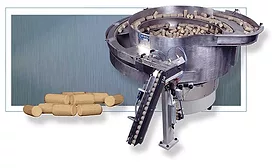
An assembler wanted to automatically feed and orient synthetic corks at a feed rate of 200 parts per minute. These corks are difficult to feed due to the sticky film that remains on their surface after the manufacturing process.
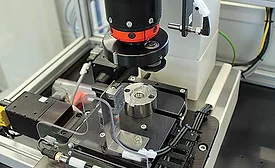
There are many ways to crimp or flare a lip on a cylindrical part. For example, it can be done with a press or an orbital forming machine. However, the problem with those processes, particularly the former, is that they require a good deal of force.
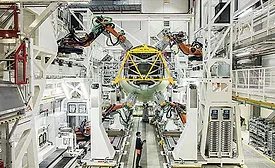
Airbus has inaugurated a highly automated fuselage assembly line at its A320 factory in Hamburg, Germany. The new line features a digital data acquisition system, 20 robots, automated guided vehicles, and automated positioning by laser measurement.
In all industries, it's important to achieve alignment between the design of a product and production processes as early as possible. In the medical device sector, whether it's a dialysis machine, a knee implant, a stethoscope or a syringe, the design transfer process plays a critical role in addressing cost and quality issues.
In less than 15 years, cobots have come a long way. Not only have they gained acceptance in every major industry in manufacturing, but robot suppliers have significantly increased their cobot offerings.