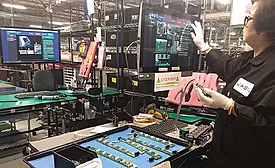
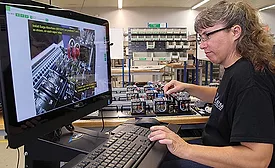
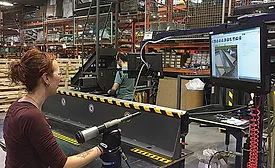
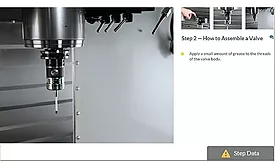
There are numerous benefits to implementing electronic work instructions, including cost savings, productivity enhancement, error proofing, real-time change control, operator feedback and traceabilty.
Building complex assemblies is now a standard practice for electronic manufacturing services (EMS) companies. This reality applies to firms that do work locally, nationally or internationally.
Nobody's perfect. Even the best trained, most experienced assemblers can make mistakes on the line, especially in high-mix production environments. Fortunately, a variety of software products are available to help prevent assembly errors.
Ensuring high quality is relatively easy when all you have to do is assemble one small product at a very high volume. Such an item will likely be produced on a high-speed automated assembly system. Assuming there are no issues with the incoming parts, the system will consistently produce perfect assemblies all day long.
Visitors to assembly plants are often overwhelmed by the size of a facility, or the quickness of a process, or the large number of the same type of machine in one or more areas.
MBX Systems has had a clearly defined relationship with its independent software vendor (ISV) customers since the day the company opened for business in 1995. For more than 20 years, MBX has focused on designing and manufacturing custom hardware—so the ISVs can focus on developing and selling their software for mass or niche markets. The setup has benefitted both parties.
PALMDALE, CA—Assemblers at Northrop Grumman Corp.’s plant here recently started to use an optical projection system to build the center fuselage of the F-35 Lighting II fighter jet. The facility was the recipient of ASSEMBLY’s 2013 Assembly Plant of the Year award.
Instructors at Fiat Chrysler Automobiles’ World Class Manufacturing Academy (WCMA) have one goal: get every student focused on world class manufacturing, which is Fiat’s version of Toyota’s lean manufacturing production system.