Robotics
Humanoid Robots Move Into Real-World Industrial Tasks With Physical AI, Accenture Pilot Shows
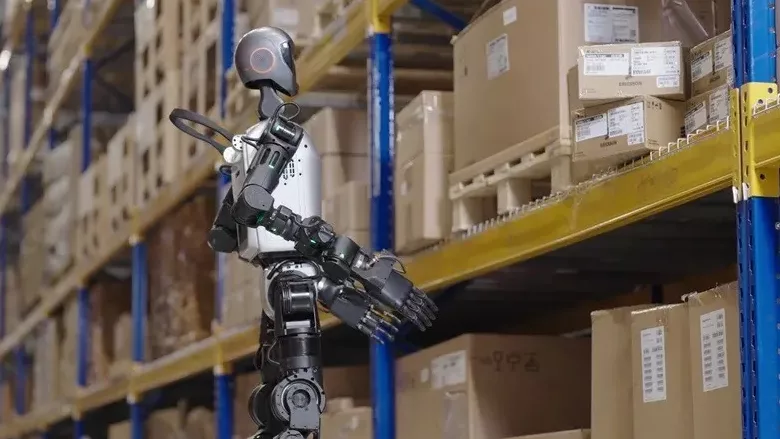
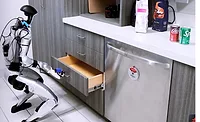
HANNOVER, GERMANY—Humanoid robots equipped with physical AI are being piloted by Accenture, SAP and Vodafone Procure & Connect to perform inspection and safety monitoring tasks in industrial environments. The pilot focuses on using humanoid robots to identify inefficiencies, safety risks and process issues by performing visual inspections and reporting findings into enterprise systems in real time. The robots are designed to operate alongside existing automation and human workers, providing additional visibility into day-to-day operations.
During testing, the robots detected issues such as improperly handled materials, inefficient use of space and potential safety hazards, while feeding recommendations directly into enterprise systems to support faster decision-making and improved process control.
“Trained in digital twins and powered by physical AI, humanoid robots can reduce worker injuries... and lower overtime costs and dependency on temporary labor,” said Christian Souche, advanced robotics lead at Accenture.
The systems are integrated with enterprise software, allowing inspection data to be tied to operational workflows, including maintenance reporting and compliance tracking. The approach reflects a broader effort to connect robotics with existing production systems rather than deploying them as standalone solutions.
“Our work in collaboration [with] SAP is a great example of how holistic deployment of humanoid robots... creates a closed loop with transactional systems.” said Prasad Satyavolu, global lead for manufacturing, operations and physical AI at Accenture.
The robots are powered by Accenture’s “Robot Brain” platform and trained using digital twin environments, enabling them to learn tasks through simulation before deployment. The systems are designed to interact with workers using voice, gestures and text, supporting collaborative use cases.
The pilot highlights a growing focus on applying physical AI to inspection and monitoring tasks — areas where variability and real-world conditions have historically limited automation. By combining robotics with real-time data and enterprise integration, companies are exploring how these systems could support safety, quality and operational efficiency in complex environments.
While still in early stages, the initiative reflects broader industry interest in humanoid robotics as a potential tool for extending automation into tasks that require mobility, perception and interaction beyond traditional fixed systems.
Looking for quick answers on assembly and manufacturing topics? Try Ask ASM, our new smart AI search tool. Ask ASM
Looking for a reprint of this article?
From high-res PDFs to custom plaques, order your copy today!