Ferrari Unveils Four-Door EV
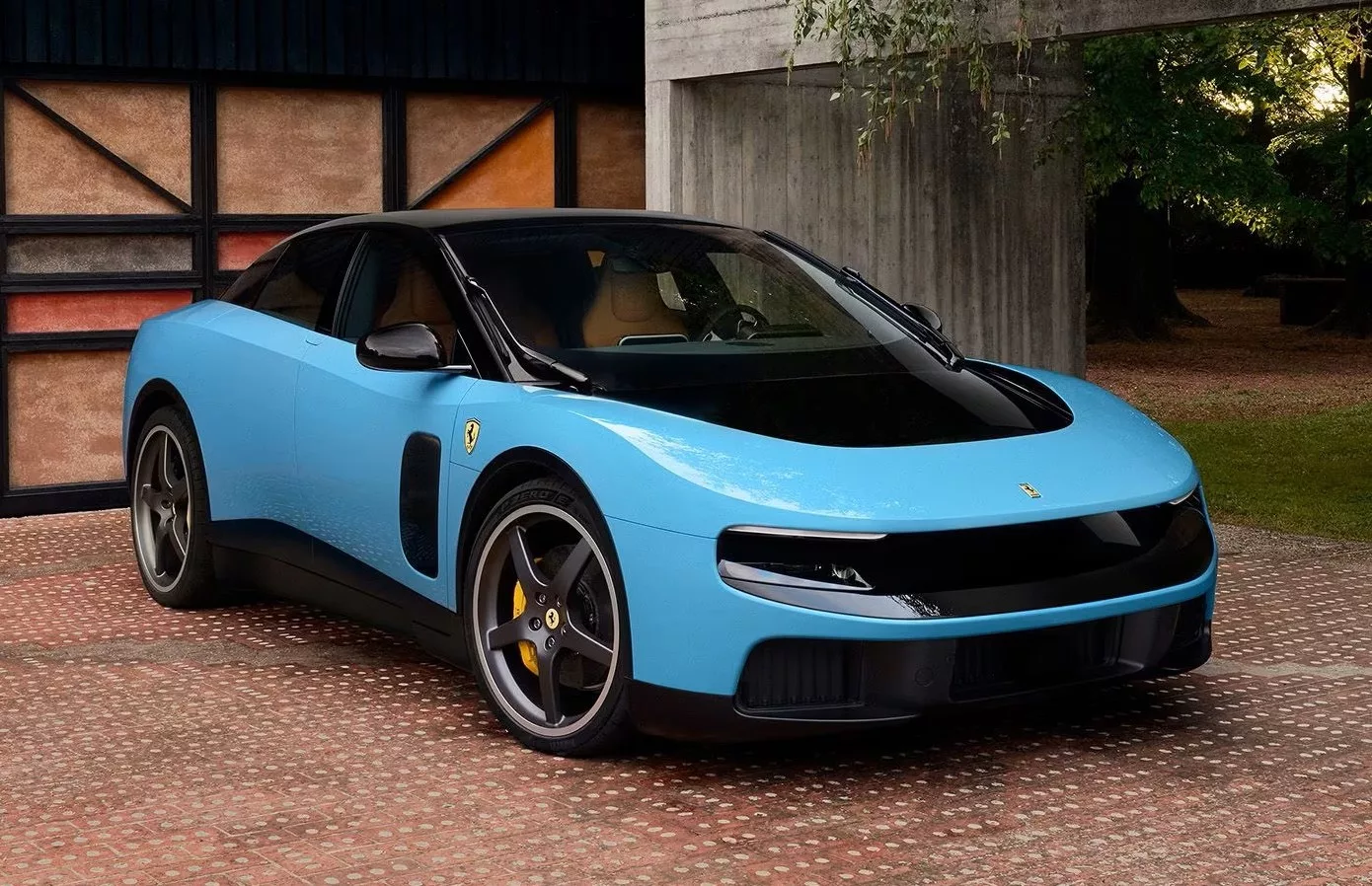
Ferrari has unveiled a four-door electric vehicle. Photo courtesy Ferrari S.p.A.
MARANELLO, Italy—Ferrari, the legendary brand synonymous with red sports cars and sleek race cars, has unveiled a four-door electric vehicle. The five-seat sedan is a first for the automaker, which traditionally builds cars equipped with throaty V12 internal combustion engines and only two seats.
The Luce is powered by four electric motors and a 122-kilowatt-hour battery, using an 880-volt electrical architecture. The high-voltage battery pack, which consists of 15 modules that each contain 14 cells, is designed to serve as a structural element of the car. Ferrari produces the motors and battery packs in-house at a new state-of-the-art e-building on its historic production campus.
The majority (85 percent) of the battery modules are integrated into the floor of the vehicle, between the axles. The remaining 15 percent are located beneath the rear seats.
The battery pack, chassis and body form an integrated system capable of optimizing structural performance and efficiency. The chassis combines hallow castings and aluminum extrusions, while the body is made from aluminum.
The chassis is made from thin-walled castings with internal cores, which increase the continuity of load paths and improve assembly quality thanks to functional integration, a smaller number of components and a reduction in weld lines.
The Luce features an elastically-mounted rear subframe that maximizes acoustic comfort while maintaining traditional levels of handling. The hollow monobloc casting made from recycled aluminum is the largest hollow, single piece component ever produced by Ferrari. Despite the high degree of integration, the structure allows the front axle, battery and rear axle to be disassembled independently.
The structure achieves a 25 percent increase in bending rigidity and a 35 percent increase in torsional rigidity compared with previous application. The battery system contributes 20 percent to the bending rigidity of the chassis and 40 percent to its torsional rigidity.
Looking for quick answers on assembly and manufacturing topics? Try Ask ASM, our new smart AI search tool. Ask ASM
Looking for a reprint of this article?
From high-res PDFs to custom plaques, order your copy today!