Assembly Magazine logo
search
Ask ASSEMBLY AI
cart
facebook twitter linkedin youtube
  • Sign In
  • Create Account
  • Sign Out
  • My Account
Assembly Magazine logo
  • TRENDS
    • Ask ASSEMBLY AI
    • Trends
    • News
    • New Products
  • INDUSTRIES
    • Aerospace
    • Appliance
    • DFMA Assembly
    • Medical Devices
    • Green Manufacturing
    • Lean Manufacturing
    • Machinery Assembly
    • Electronics Assembly
    • Automotive
  • TECHNOLOGIES
    • Adhesives & Dispensing
    • Assembly Presses
    • Automated Assembly Systems
    • Manufacturing Management
    • Manufacturing Software
    • Motion Control
    • Screwdriving & Riveting
    • Robotics
    • Test & Inspection
    • Plastics & Metal Welding
    • Wire Processing
    • Workstations
  • AUTONOMOUS & ELECTRIC MOBILITY
    • AEM Magazine Archives
    • Autonomy
    • Electrification
    • Mobility Services
    • Assembly & Testing
    • AV/EM News
  • MEDIA
    • Ask ASSEMBLY AI
    • Podcasts
    • Assembly News Now
    • Assembly TV
    • Webinars
    • eBooks
  • EVENTS
    • Calendar
    • The ASSEMBLY Show
  • MORE
    • Exclusives >
      • Plant of the Year
      • Capital Spending
    • Buyers Guide >
      • Supplier Insights
    • Classifieds
    • Featured Products
    • Newsletters
    • Store
    • White Papers
    • Columns
    • Sponsor Insights
  • INFOCENTER
    • Assembly & Test Solutions
  • EMAGAZINE
    • eMagazine
    • Archive Issues
    • Advertise
    • Contact Us
    • Sign Up
IndustriesColumnsAutomotive AssemblyOn CampusAssembly and TestingElectrification

Pitt Engineers Explore Next-Generation Electric Motor Technology
By Austin Weber
asb0722campus1.jpg

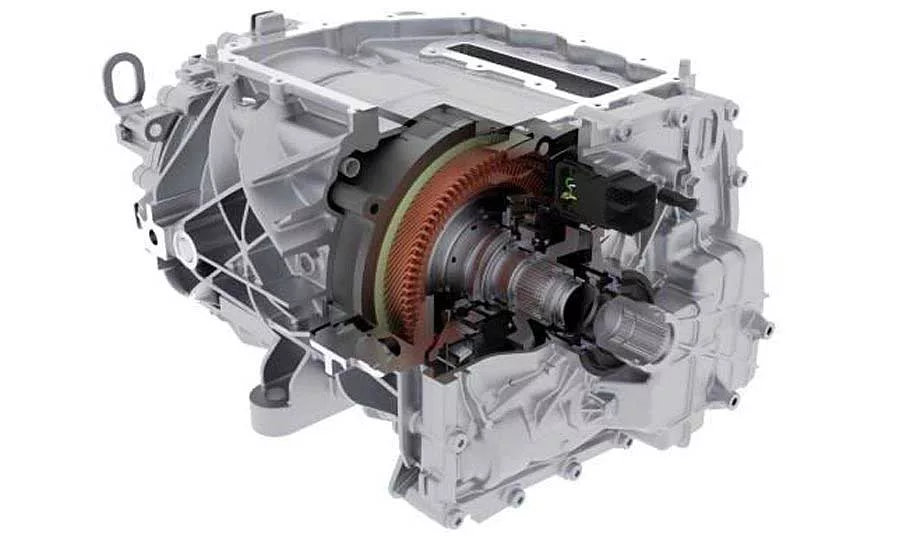
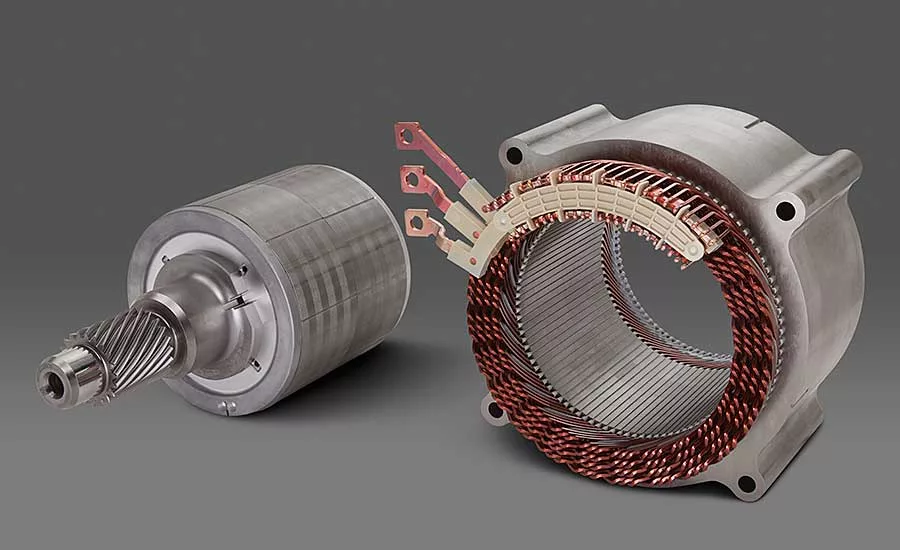
Traditionally, electric traction motors use permanent magnets made with rare-earth metals. Photo courtesy BorgWarner Inc.

asb0722campus2.jpg

Using alternative materials to create a permanent magnet instead of rare-earth metals would make electric vehicles more affordable, accessible and sustainable. Photo courtesy Rivian Automotive Inc.

asb0722campus3.jpg

Permanent magnets are used in electric motors because they can produce and maintain a strong magnetic field. Photo courtesy General Motors
asb0722campus4.jpg

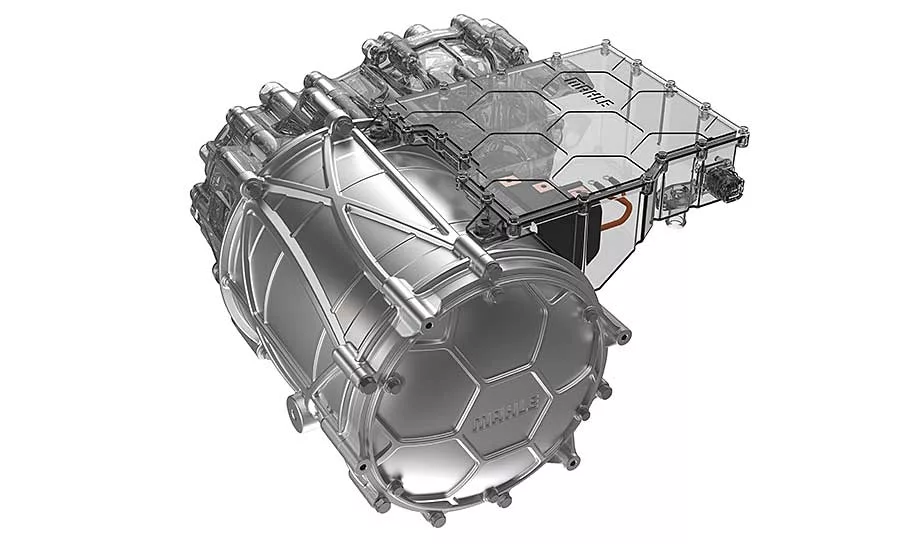
This motor developed in Germany does not require rare-earth elements. Photo courtesy Mahle GmbH

asb0722campus5.jpg

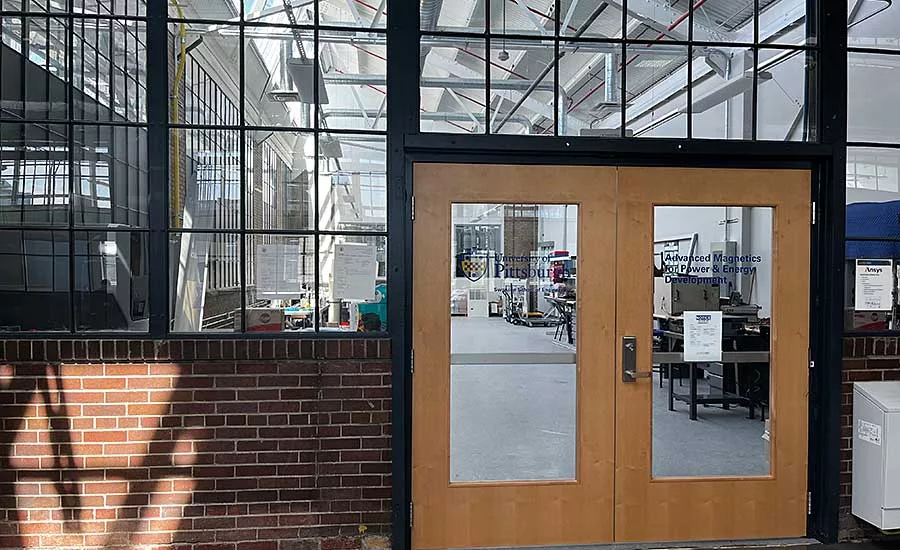
The Advanced Magnetics for Power and Energy Development consortium hopes to commercialize next-generation electric motor technology within the next five years. Photo courtesy University of Pittsburgh

asb0722campus1.jpg
asb0722campus2.jpg
asb0722campus3.jpg
asb0722campus4.jpg
asb0722campus5.jpg
July 31, 2022

Traditionally, electric traction motors use permanent magnets made with rare-earth metals. However, materials such as dysprosium and neodymium are a limited resource. In addition to their rarity, extracting and processing these materials has environmental consequences, leaving behind a significant amount of toxic waste.

And, since China accounts for the vast majority of rare-earth production, logistics and price volatility are another challenge facing electric vehicle manufacturers. The volatile supply of neodymium—the main rare-earth metal used in electric motors—means there’s a good chance that its price will continue to skyrocket.

For instance, from February 2020 to February 2022, the cost of neodymium rose by 312 percent, with 1 kilogram costing more than $236, compared to $42 just two years ago. This type of extreme price fluctuation can make it difficult for manufactures to scale up production of EVs.

To make electric motors without rare-earth metals more sustainable, engineers at the University of Pittsburgh are working with Ames Laboratory and Powdermet Inc. to explore alternatives. The R&D initiative recently received $200,000 in funding from the U.S. Department of Energy.

“Permanent magnets are used in electric motors because they can produce and maintain a strong magnetic field, even in the presence of an opposing magnetic field, as opposed to electromagnets, which require an electric current,” says Paul Ohodnicki, Ph.D., associate professor of mechanical engineering and materials science at Pitt.

“Using alternative materials, such as [manganese-bismuth alloys] developed at Ames Laboratory’s Critical Materials Institute, to create a permanent magnet instead of using rare-earth metals like neodymium and dysprosium would make electric vehicles more affordable, accessible and sustainable, and would help the U.S. become a leader in the EV market,” claims Ohodnicki, who also serves as director of the Advanced Magnetics for Power and Energy Development (AMPED) consortium.

In addition to Pitt, AMPED includes engineers from Carnegie Mellon University and North Carolina State University who are investigating magnetic materials for power electronics and power conversion systems.

Looking for quick answers on assembly and manufacturing topics? Try Ask ASM, our new smart AI search tool. Ask ASM →

“Rare-earth metals have very unique magnetic properties that make them extremely effective as permanent magnets in high efficiency and power-dense motor designs,” explains Ohodnicki. “Our research is not actively developing new permanent magnet materials with reduced or eliminated rare-earth metals, but we are collaborating with other research groups that are working in this area to understand how alternative materials can be used in optimized motor designs.

“In addition, we are looking at new ideas in advanced electric motor design that allows for reducing the need for rare-earth based permanent magnet materials,” Ohodnicki points out. “One primary design strategy is to explore motors that operate at higher speeds, which allows for a reduction in the size of optimized motors at the same power output.

“We are pursuing research in advanced manufacturing processes of existing motor alloys, as well as new nanocrystalline motor alloys which are used in the soft magnetic laminations of the rotor and stator, to enable their utilization in new high efficiency and high-power density motor designs,” says Ohodnicki.

“These are not direct substitutes for the permanent magnet materials that utilize rare earth metals,” Ohodnicki points out. “Advances in new motor alloys are synergistic by allowing for higher speed and higher efficiency motor designs with rare-earth-free permanent magnets that can help to address this critical supply chain dependency.

“Nanocrystalline-based motor alloys, in particular, have lower losses than existing electrical steels when operating at high electrical switching frequencies, which can be a key enabler for successful design and implementation of high-speed motors in practice,” says Ohodnicki.”

According to Ohodnicki, there are numerous challenges to designing an electric motor without rare-earth metals. “There are many motor designs already in practice and commercialized today that do not utilize rare-earth metals,” he explains. “However, it has proven to be extremely challenging to reach the combination of performance and manufacturability that rare-earth metal permanent magnet motors can achieve.

“In high-performance applications, such as electric vehicles, where efficiency, size and weight are critically important, rare-earth-based permanent magnet motors continue to play an important role,” says Ohodnicki.

Reducing the need for rare-earth-based permanent magnets in electric motor designs will require continued research into several areas, including:

  • New rare-earth-free permanent magnet materials.
  • Alternative motor alloys that are capable of high-speed operation.
  • Novel electric motor design strategies.
  • Scalable manufacturing methods and techniques for the alternative permanent magnets and motor alloys being developed.
  • Full qualification and testing prior to integration within electric vehicles.

“There are continual advances in performance of electric motors with new technologies incorporated into each generation of electric vehicle that is commercialized by major automotive manufacturers using existing permanent magnet materials and motor alloys,” explains Ohodnicki. “We expect these incremental improvements to continue.

“In parallel, we are working to successfully develop, demonstrate and ultimately commercialize next-generation electric motor technology that fully exploits the latest in magnetic materials through a combination of our government-sponsored programs and industry partnerships,” adds Ohodnicki.

“Our goal is to initiate the qualification process for high-speed motors based upon new nanocrystalline alloys as soon as possible, with a target of realizing commercial adoption within the next five years,” claims Ohodnicki.

KEYWORDS: electric motor assembly

Share This Story

Looking for a reprint of this article?
From high-res PDFs to custom plaques, order your copy today!

Austinweber headshot
Austin has been senior editor for ASSEMBLY Magazine since September 1999. He has more than 21 years of b-to-b publishing experience and has written about a wide variety of manufacturing and engineering topics. Austin is a graduate of the University of Michigan.

Recommended Content

JOIN TODAY
To unlock your recommendations.

Already have an account? Sign In

  • Made in the U.S.A.

    Consumer Products Manufacturing: Made in the USA

    Supply chain lessons learned during the coronavirus...
    Automated Assembly Systems
    By: Austin Weber
  • Best Practices for Press-Fit Assembly

    Best Practices for Press-Fit Assembly

    In manufacturing, ironclad formulas for success are hard...
    Assembly Presses
    By: Jim Camillo
  • aem0523leader-tesla1.jpg

    Tesla Rethinks the Assembly Line

    Engineers at Tesla Inc. have developed a new process that...
    Assembly and Testing
    By: Austin Weber
Manage My Account
  • eMagazine Subscription
  • Assembly Newsletters
  • Online Registration
  • Subscription Customer Service
  • Manage My Preferences

More Videos

Sponsored Content

Sponsored Content is a special paid section where industry companies provide high quality, objective, non-commercial content around topics of interest to the ASSEMBLY audience. All Sponsored Content is supplied by the advertising company and any opinions expressed in this article are those of the author and not necessarily reflect the views of ASSEMBLY or its parent company, BNP Media. Interested in participating in our Sponsored Content section? Contact your local rep!

close
  • ultrasonic welding
    Sponsored bySonobond Ultrasonics

    Engineering Efficiency in High-Performance Assembly: How Ultrasonic Welding Enhances Throughput, Reliability and Quality

  • UV curing system
    Sponsored byDymax

    Why UV Intensity Alone Doesn’t Define Curing Performance

  • wooden pallets
    Sponsored byLEAN Manufacturing Products

    Eliminating Waste on the Shop Floor: Applying Lean Principles to Improve Manufacturing Efficiency

Popular Stories

ASSEMBLY News Now, episode-30: Volvo Redesigns EV Manufacturing

Volvo Redesigns EV Manufacturing

Boeing CEO Kelly Ortberg announces 1 billion investment

Boeing Plans $1 Billion Wichita Investment, Workforce Training Center

GE Appliances Worker on Line

GE Appliances Expands Factory AI With 800 Gemini Enterprise Agents

Watch the latest episode of ANN now!

Events

July 24, 2025

From Shop Floor to CFO: How Manufacturers Are Closing the Loop Between Operations and Finance

On Demand Learn how manufacturers are bridging the gap between the shop floor and ERP systems to gain real-time visibility, streamline operations, and kick-start digital transformation—without waiting years.

Sponsored by:

PicoStratusGreen
July 30, 2025

Buffer Analysis and Design Fundamentals for Manufacturing Excellence

On Demand In this presentation, Dr. Herman Tang shares practical insights from his industry experience and research on buffer management in manufacturing operations.

View All Submit An Event

Poll

Difficult Assembly Processes

Which assembly process gives you the most difficulty?
View Results Poll Archive

Products

Manufacturing Cost Policy Deployment (MCPD) Profitability Scenarios: Systematic and Systemic Improvement of Manufacturing Costs

Manufacturing Cost Policy Deployment (MCPD) Profitability Scenarios: Systematic and Systemic Improvement of Manufacturing Costs

See More Products
Register for webinar - Modernizing Automotive Assembly: Why Upgrading Legacy MES is a Business Imperative

Related Articles

  • asb0722campus3.jpg

    Pitt Engineers Explore Next-Generation Electric Motor Technology

    See More
  • Aircraft.png

    UK Project to Create Next-Generation Electric Aircraft Propulsion

    See More
  • GM, Honda to Jointly Develop Next-Generation Electric Vehicles

    See More

Related Products

See More Products
  • finite.jpg

    Finite Element Analysis for Engineers

  • Joining of Plastics 3e Handbook for Designers and Engineers

  • advanced.jpg

    Advanced Manufacturing and Processing Technology

See More Products

Related Directories

  • Next Point Bearing

    Next Point Bearing is a nationwide bearing distributor known for quality, reliability, and fast service. We offer a wide range of precision bearings, including the 6200 bearing, and support OEMs, distributors, and industrial teams across the U.S. Next Point Bearing is your trusted bearing supplier and distributor, also offering precision cleanroom services and expert machine shop services. Hours of Operation : Monday-Friday: 6 a.m. - 5 p.m. PT
×

Never miss the latest news and trends driving the manufacturing industry

Stay in the know on the latest assembly trends.

JOIN TODAY!
  • RESOURCES
    • Advertise
    • Contact Us
    • Directories
    • Manufacturing Division
    • Store
    • Want More?
  • SIGN UP TODAY
    • Create Account
    • eMagazine
    • Newsletters
    • Customer Service
    • Manage Preferences
  • SERVICES
    • Marketing Services
    • Reprints
    • Market Research
    • List Rental
    • Survey/Respondent Access
  • STAY CONNECTED
    • LinkedIn
    • Facebook
    • Instagram
    • YouTube
    • X (Twitter)
  • PRIVACY
    • PRIVACY POLICY
    • TERMS & CONDITIONS
    • DO NOT SELL MY PERSONAL INFORMATION
    • PRIVACY REQUEST
    • ACCESSIBILITY

Copyright ©2026. All Rights Reserved BNP Media, Inc. and BNP Media II, LLC.

Design, CMS, Hosting & Web Development :: ePublishing