Adhesive Tapes Play an Important Role in EV Assembly
PSAs provide durability, functionality, strength and versatility.
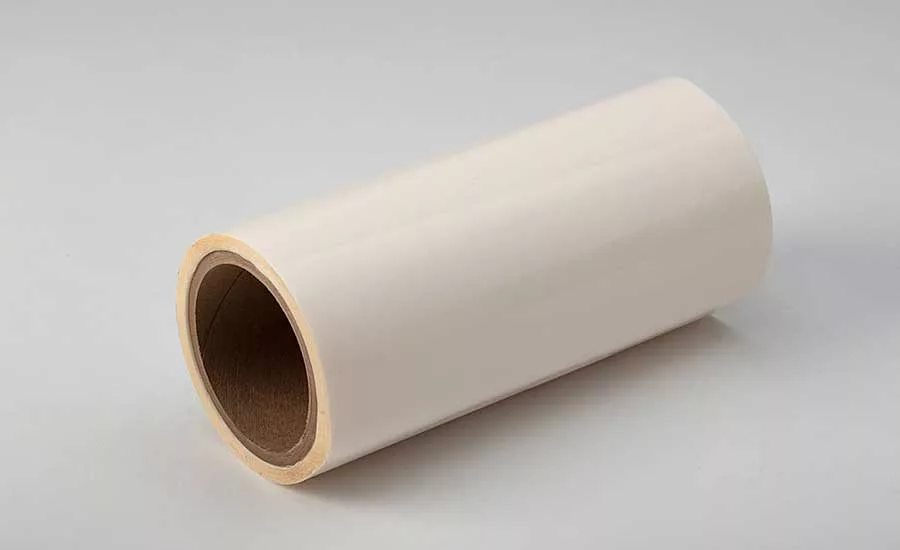
This double-coated tissue with a high-performance low VOC acrylic is ideal for bonding to polyester urethane, polyether urethane and skinned foams. Typical applications include arm rests, carpet fixation, door pillar cloth and NVH insulation. Photo courtesy Avery Dennison Performance Tapes
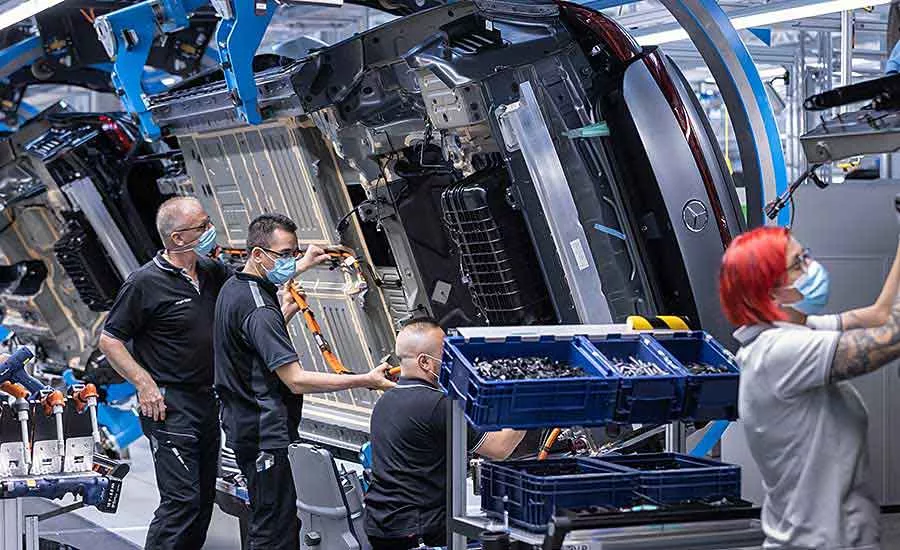
Pressure-sensitive adhesives are used in a variety of electric vehicle assembly applications. Photo courtesy Mercedes-Benz AG
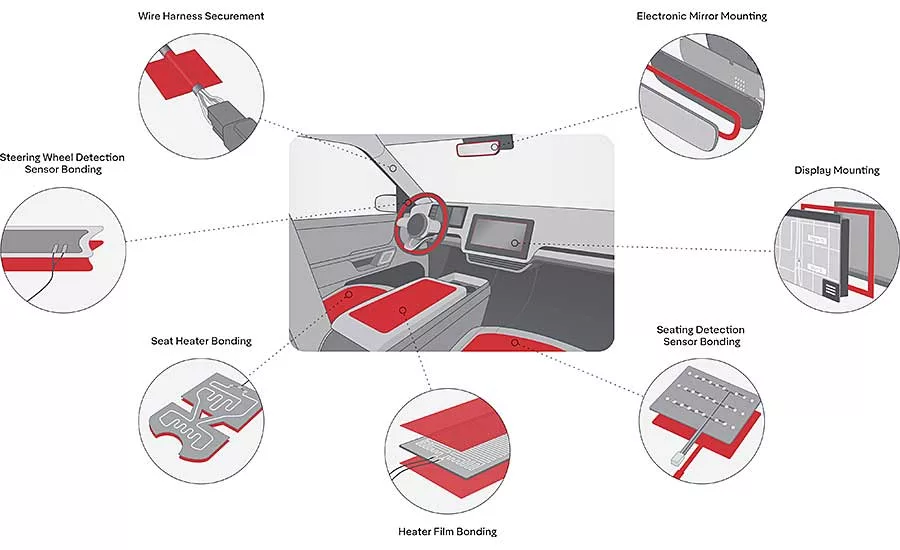
A variety of automotive interior applications depend on pressure-sensitive adhesives, including displays, mirrors and seats. Illustration courtesy Avery Dennison Performance Tapes
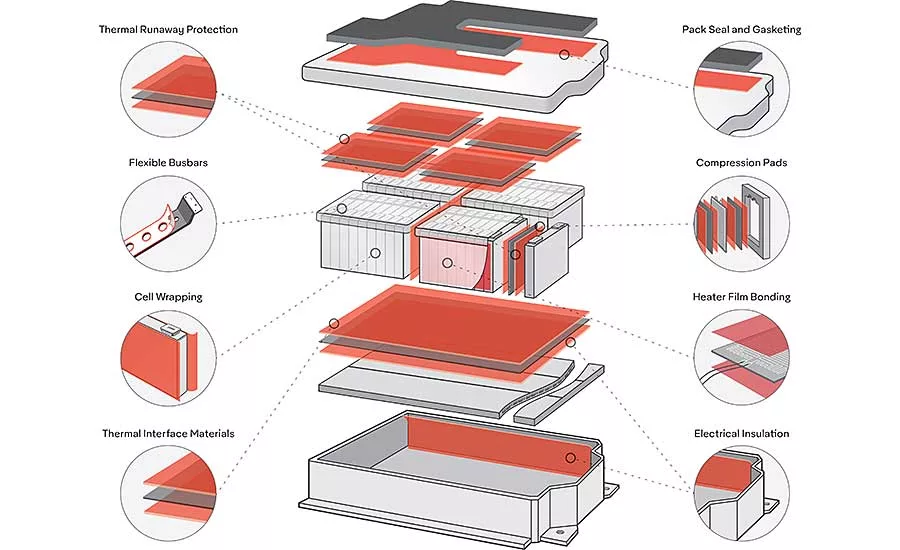
Adhesive tapes can optimize battery packs by reducing flammability and boosting dielectric strength. Illustration courtesy Avery Dennison Performance Tapes
After more than 100 years of incremental evolution, the automotive industry is undergoing a transformation unlike anything it has ever experienced. The driving force behind this revolution is the shift from internal combustion to battery power.
This alone would represent a massive challenge, but it’s being accompanied by other electrification initiatives that also impact how vehicles are designed, manufactured and operated.
Specifically, electric vehicles are being developed with more sensors and cameras to support advanced driver assistance systems (ADAS) that are moving the industry closer to fully autonomous operation. They’re also taking vehicle information and entertainment to the next level with electronic systems that improve comfort and give drivers and passengers more options.
Taken together, these trends could lead to future vehicles having more in common with our phones than the vehicles we know today.
Not surprisingly, these changes present a host of design and engineering challenges for automakers and suppliers. Pressure-sensitive adhesive (PSA) tapes have been used in the automotive segment for decades and the transformation occurring today is creating opportunities to leverage the strength, versatility and functionality of these products to address this new set of challenges.
Supporting the Evolution
Billions of dollars are being invested to improve driving range, reduce charging times, drive down costs and ensure safety. Adhesive tapes can help achieve these goals by reducing flammability, boosting dielectric strength, and optimizing design and assembly.
Safety is the No. 1 priority of battery manufacturers and their customers. Flammability issues with lithium-ion batteries can endanger drivers, lead to expensive recalls and erode consumer confidence in electric vehicles.
Looking for quick answers on assembly and manufacturing topics? Try Ask ASM, our new smart AI search tool. Ask ASM
Tape designed specifically for EV batteries, such as acrylic, rubber and silicone-based technologies, provide protection against thermal runaway, allowing composites and materials to meet UL 94 V-0 and other flame requirements. These products offer the flexibility to work with all cell types and a wide range of materials.
Adhesive tapes can also support thermal interface materials (TIMs) that facilitate the transfer of heat between components in EV battery assemblies. Multiple adhesives for TIMs bonded to heat sinks or chiller plate materials assist with battery cell and module cooling.
These include high wet-out adhesives to lower thermal impedance between TIMs and the heat source; silicone-based adhesives that offer strong adhesion to silicone TIMs; acrylic adhesives for non-silicone materials; and flame-retardant adhesives.
Adhesive tapes are also being used for cell-to-cell bonding, gasketing, compression pads and electrical insulation. In cell bonding applications, tapes improve manufacturing efficiency by offering fast and simple bonding with excellent structural integrity. They require no cure time, providing immediate strength that allows them to serve as an assembly aid and bonding option simultaneously.
Due to their single component functionality, they eliminate the need for mixing nozzles and pot life concerns that exist with other adhesives. In gasketing applications, durable heat-activated acrylic foam tapes help maintain a watertight seal between the casing and rubber gasket.
Individual prismatic and pouch cells in EV battery packs require protection from impact and movement. Pouch cells can also swell during charging and discharging. To help prevent damage, battery manufacturers are using foams backed with PSA tape between each cell.
The ability to eliminate cure times enables the tape to serve a dual function. Flame-retardant and dielectric tapes can add functionality in this application when there are flame or electrical requirements
For electrical insulation, single- and double-coated tapes incorporating dielectric films are being used to protect sensitive components in batteries. Single-coated tapes can be applied to rigid materials like aluminum chill plates and other metal structures. Double-coated tapes can be combined with other materials, such as compression pads, to add electrical insulation to cell protection.
Using PSAs to bond flexible bus bars is another example of tape’s versatility, as they can provide insulation and flame retardancy as well as bonding.
Adhesive tape can also be used to address issues related to noise, vibration and harshness (NVH). Internal combustion engines have masked vehicle noises that are now becoming an annoyance for EV owners. Tape is already used throughout vehicles in buzz, squeak and rattle applications and are being applied, in conjunction with other materials, in places where they previously weren’t required.
Enabling ADAS Technology
More ADAS technology is being integrated into EVs to improve safety, efficiency and performance. Key components of these systems are often in locations such as bumpers and external mirrors where they are exposed to a variety of factors that can affect system performance and reliability.
Adhesive tapes are a good solution for ADAS components because they are engineered to withstand conditions experienced by vehicles operating in a range of climates. They can also be used to help protect cameras and sensors from factors that degrade performance and cause failure, such as ice and snow buildup, electromagnetic interference (EMI), dust and vibration.
Double-coated polyethylene (PE) foam and acrylic foam bonding tapes, for example, provide a cost-effective alternative to mechanical fasteners for mounting, sealing and damping. By bonding with PSA tape, engineers can ensure reliable mounting, prevent dust and water from reaching electrical components, and reduce the vibration that can affect vision and sensing.
In addition, PSA tapes can optimize the electromagnetic compatibility of ADAS devices. Conductive foam and rubber tape configurations can be used as an EMI alternative that provides gap filling and sealing properties. Foils, metalized films and fabrics can also be used for EMI shielding.
To prevent ice buildup, flexible printed heater films may be attached to ADAS cameras, lidar, radar and ultrasonic sensors. Thin bonding tapes are readily available for bonding heater films to ADAS components, and PE foam tapes can fill gaps between rigid components in this application. These products can also support flexible printed circuit heaters being used for hands-off detection on steering wheels.
Rigid electronic components can use double-sided foam or fiber tapes between components to absorb vibration, cushion impacts, fill gaps, and mitigate buzz, squeak and rattle. These tapes create strong bonds with dense urethane and ethylene propylene diene terpolymer substrates that often comprise ADAS components mounted on the exterior of vehicles.
Looking for a reprint of this article?
From high-res PDFs to custom plaques, order your copy today!