Assembly Magazine logo
search
Ask ASSEMBLY AI
cart
facebook twitter linkedin youtube
  • Sign In
  • Create Account
  • Sign Out
  • My Account
Assembly Magazine logo
  • TRENDS
    • Ask ASSEMBLY AI
    • Trends
    • News
    • New Products
  • INDUSTRIES
    • Aerospace
    • Appliance
    • DFMA Assembly
    • Medical Devices
    • Green Manufacturing
    • Lean Manufacturing
    • Machinery Assembly
    • Electronics Assembly
    • Automotive
  • TECHNOLOGIES
    • Adhesives & Dispensing
    • Assembly Presses
    • Automated Assembly Systems
    • Manufacturing Management
    • Manufacturing Software
    • Motion Control
    • Screwdriving & Riveting
    • Robotics
    • Test & Inspection
    • Plastics & Metal Welding
    • Wire Processing
    • Workstations
  • AUTONOMOUS & ELECTRIC MOBILITY
    • AEM Magazine Archives
    • Autonomy
    • Electrification
    • Mobility Services
    • Assembly & Testing
    • AV/EM News
  • MEDIA
    • Ask ASSEMBLY AI
    • Podcasts
    • Assembly News Now
    • Assembly TV
    • Webinars
    • eBooks
  • EVENTS
    • Calendar
    • The ASSEMBLY Show
  • MORE
    • Exclusives >
      • Plant of the Year
      • Capital Spending
    • Buyers Guide >
      • Supplier Insights
    • Classifieds
    • Featured Products
    • Newsletters
    • Store
    • White Papers
    • Columns
    • Sponsor Insights
  • INFOCENTER
    • Assembly & Test Solutions
  • EMAGAZINE
    • eMagazine
    • Archive Issues
    • Advertise
    • Contact Us
    • Sign Up
TechnologiesAutomated Assembly SystemsMotion ControlRobotics Assembly

How to Safeguard Workers in Automation
By Eric J. Halvorson
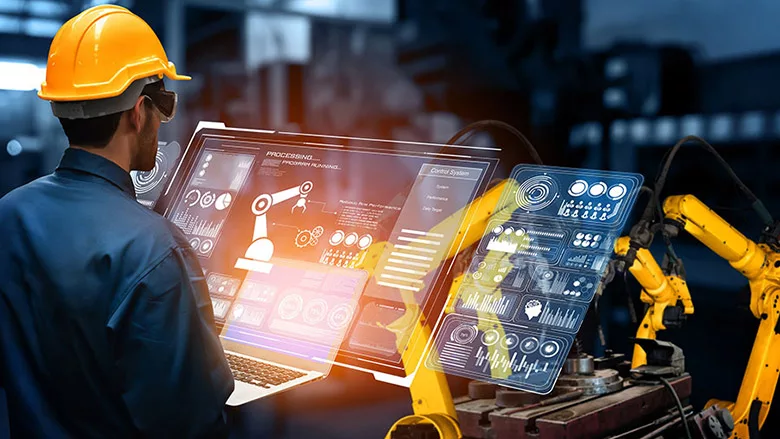
working with robots

Robots, AGVs and other automation systems can create dangerous workspaces—without the proper safeguards.

Photo courtesy DigiKey

April 23, 2025

As manufacturing becomes increasingly automated, manufacturers must find ways to protect their most important asset: their workforce. Robots, autonomous vehicles, material handling equipment, and more complex systems can create dangerous workspaces—without the proper safeguards installed on the production floor. 

Fortunately, there are many forms of safety devices available today. The following devices are just a few examples to get you thinking about the available options.


Options for Safety Devices
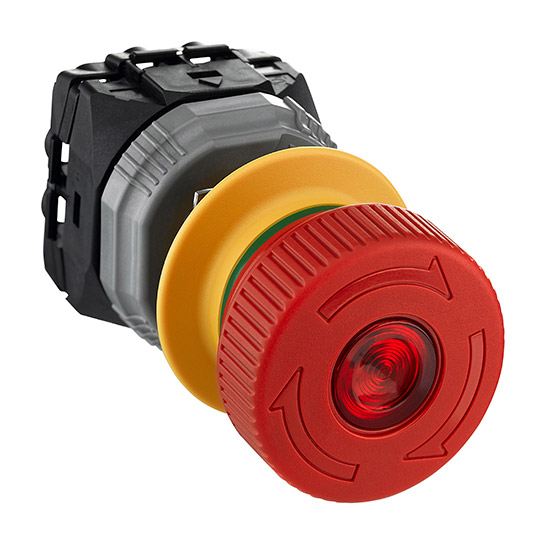
E-stop

The e-stop is typically in a normally closed position within a circuit that, when pressed, opens the circuit and cuts power to the device. Photo courtesy DigiKey

E-stops are one of the most recognizable and most thought-of safety devices on the production floor. Think of them as the immediate interface to stop a machine. The e-stop is typically in a normally closed position within a circuit that, when pressed, opens the circuit and cuts power to the device. To re-engage the circuit, the e-stop must be pulled out or in a twist to the open configuration, returning the circuit to operational.

According to OSHA, ANSI, NFPA79, ISO 13850 and IEC 60204-1, e-stops are required to be installed where they are easily accessible to the operator. Resetting the e-stop should not allow operations to resume. A second redundant action is required, such as an all-clear function through a circuit on the programmable logic controller (PLC).
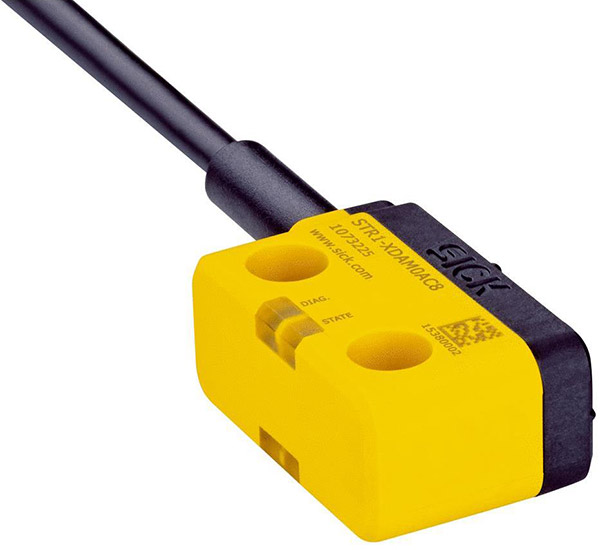
Safety interlocks

Safety interlocks are used on physical barriers, such as gates and doors. Photo courtesy DigiKey

Door interlocks are another physical safety device commonly integrated on the production floor. Safety interlocks are used on physical barriers, such as gates and doors. The safety interlock, much like the e-stop, operates in a normally closed circuit. When the gate or door is opened, the circuit is interrupted, and all work is halted. Interlocks are required to meet ISO 14119 and ISO 13849. 

Operator presence triggers are another option. They come in many shapes and sizes. For example, a safety mat is activated by the presence of someone standing on the mat. It may trigger a machine to stop, go in reverse, or deactivate when presence is detected. This helps to ensure that workers are out of the way, allowing the machine to operate. 
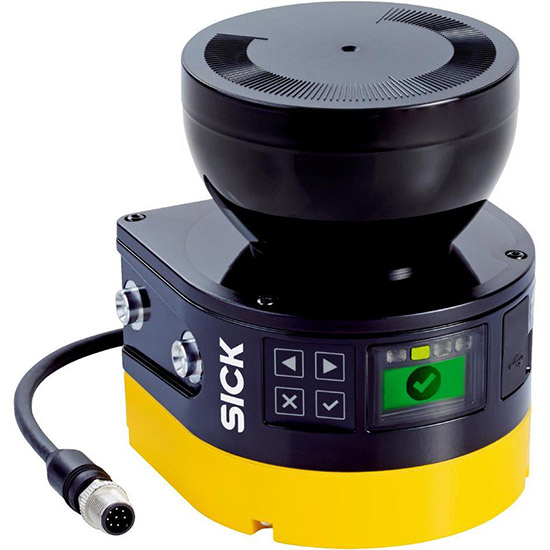
Laser safety scanner

Laser safety scanners have become very popular with the rise of cobots. Photo courtesy DigiKey

Laser safety scanners have become very popular with the rise of cobots. The scanner uses a 360-degree beam to determine how close a worker or an object is in relation to the robot. The scanner will tell the robot to decrease its speed depending on the closeness of the individual or object. The scanner is usually programmed with preset zones. In the orange or yellow zone, the robot is slowed to collaborative speed until the object or person has exited. If the red zone is triggered, the robot will then slow even further or even stop completely until safe. 

Looking for quick answers on assembly and manufacturing topics? Try Ask ASM, our new smart AI search tool. Ask ASM →

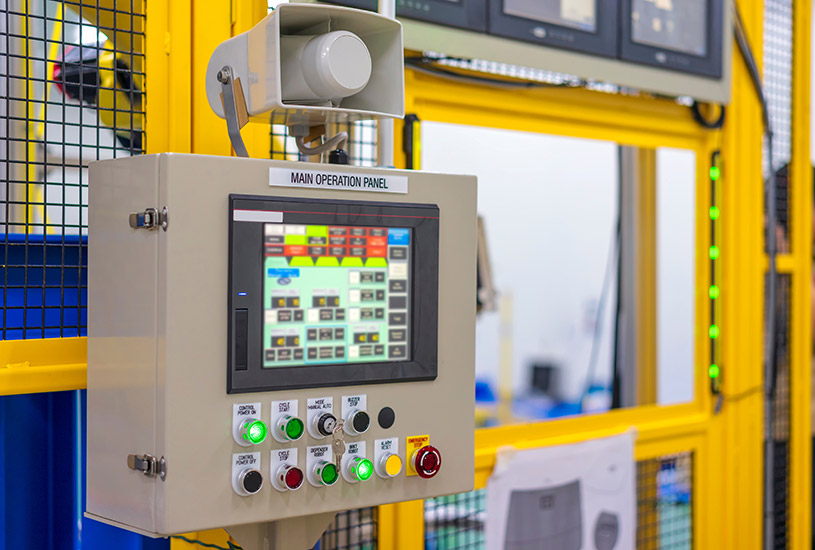
Light curtains are especially effective in areas where crushing or pinching hazards exist, such as hydraulic presses. The light curtain uses photoelectric beams that project from a transmitter to a receiver. If the beam is broken, all work stops immediately until the obstruction is cleared. Light curtains are particularly effective when solid gates or barricades are impractical. They come in a variety of sizes and levels of sensitivity to fit the needs of the manufacturer in meeting OSHA standards. 
light curtain

The light curtain uses photoelectric beams that project from a transmitter to a receiver. If the beam is broken, all work stops immediately until the obstruction is cleared. Photo courtesy DigiKey

Safety PLCs are control systems designed to monitor and manage safety-critical functions and serve as a way to program-in safeguards to monitor the health of a line. Through redundancies, the safety PLC is designed to run diagnostics to determine if a part of the line or a component is faulty. If an event, such as a broken wire or motor, is running outside of spec, the safety PLC will immediately shut down the entire affected system to prevent injury or damage. The safety PLC must adhere to a specific safety integrity level and must meet IEC 62061, ISO 13849-1 and IEC 61058.

These are just some of the many safety devices available to manufacturers and systems integrators today. When automating a process, engineers are well-advised to seek advice from a safety expert to ensure they have covered all the possible hazards within their facilities. These experts can help you to navigate OSHA, ANSI and all other safety regulatory agencies.

For more information on safety technology, click www.digikey.com.

See more articles from our May 2025 issue!

For more information on safety technology, read these articles:
XYZ: Safety Takes a Curtain Call
New Technology for Machine Safety
Technologies for Automated Machine Safety

KEYWORDS: assembly machine factory automation sensors for automation

Share This Story

Looking for a reprint of this article?
From high-res PDFs to custom plaques, order your copy today!

Eric J. Halvorson // Senior Marketing Manager for Automation and Control Technology // DigiKey // Thief River Falls, MN


Recommended Content

JOIN TODAY
To unlock your recommendations.

Already have an account? Sign In

  • Made in the U.S.A.

    Consumer Products Manufacturing: Made in the USA

    Supply chain lessons learned during the coronavirus...
    Automated Assembly Systems
    By: Austin Weber
  • Best Practices for Press-Fit Assembly

    Best Practices for Press-Fit Assembly

    In manufacturing, ironclad formulas for success are hard...
    Assembly Presses
    By: Jim Camillo
  • aem0523leader-tesla1.jpg

    Tesla Rethinks the Assembly Line

    Engineers at Tesla Inc. have developed a new process that...
    Automotive Assembly
    By: Austin Weber
Manage My Account
  • eMagazine Subscription
  • Assembly Newsletters
  • Online Registration
  • Subscription Customer Service
  • Manage My Preferences

More Videos

Sponsored Content

Sponsored Content is a special paid section where industry companies provide high quality, objective, non-commercial content around topics of interest to the ASSEMBLY audience. All Sponsored Content is supplied by the advertising company and any opinions expressed in this article are those of the author and not necessarily reflect the views of ASSEMBLY or its parent company, BNP Media. Interested in participating in our Sponsored Content section? Contact your local rep!

close
  • ultrasonic welding
    Sponsored bySonobond Ultrasonics

    Engineering Efficiency in High-Performance Assembly: How Ultrasonic Welding Enhances Throughput, Reliability and Quality

  • UV curing system
    Sponsored byDymax

    Why UV Intensity Alone Doesn’t Define Curing Performance

  • wooden pallets
    Sponsored byLEAN Manufacturing Products

    Eliminating Waste on the Shop Floor: Applying Lean Principles to Improve Manufacturing Efficiency

Popular Stories

ASSEMBLY News Now, episode-30: Volvo Redesigns EV Manufacturing

Volvo Redesigns EV Manufacturing

Boeing CEO Kelly Ortberg announces 1 billion investment

Boeing Plans $1 Billion Wichita Investment, Workforce Training Center

automated consumer goods assembly system

Best Practices for Cycle Time Optimization

Watch the latest episode of ANN now!

Events

July 24, 2025

From Shop Floor to CFO: How Manufacturers Are Closing the Loop Between Operations and Finance

On Demand Learn how manufacturers are bridging the gap between the shop floor and ERP systems to gain real-time visibility, streamline operations, and kick-start digital transformation—without waiting years.

Sponsored by:

PicoStratusGreen
July 30, 2025

Buffer Analysis and Design Fundamentals for Manufacturing Excellence

On Demand In this presentation, Dr. Herman Tang shares practical insights from his industry experience and research on buffer management in manufacturing operations.

View All Submit An Event

Poll

Difficult Assembly Processes

Which assembly process gives you the most difficulty?
View Results Poll Archive

Products

Manufacturing Cost Policy Deployment (MCPD) Profitability Scenarios: Systematic and Systemic Improvement of Manufacturing Costs

Manufacturing Cost Policy Deployment (MCPD) Profitability Scenarios: Systematic and Systemic Improvement of Manufacturing Costs

See More Products
Register for webinar - Modernizing Automotive Assembly: Why Upgrading Legacy MES is a Business Imperative

Related Articles

  • Solar Edge microgrid

    Contact Lens Manufacturer Employs Solar Power to Safeguard Production

    See More
  • flex auto

    How To Deliver Automation Excellence In Today’s Fast-Paced Environment

    See More

Related Products

See More Products
  • pocket.jpg

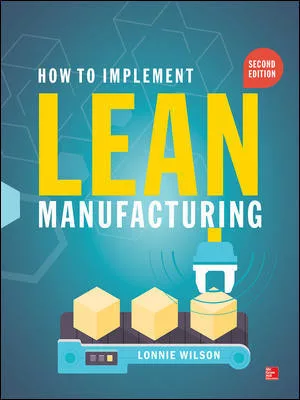
    How To Implement Lean Manufacturing, Second Edition

  • leaner

    Leaner Manufacturing: How to Make the Lean Production Process Easier, Faster, and More Cost-Effective

  • history.jpg

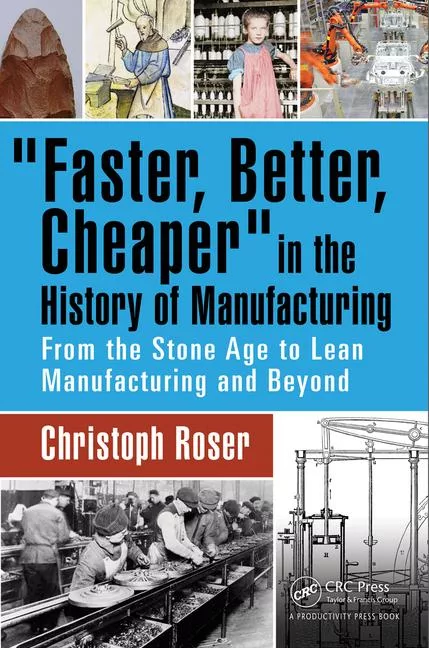
    Faster, Better, Cheaper in the History of Manufacturing: From the Stone Age to Lean Manufacturing and Beyond

See More Products

Related Directories

  • HowToRobot

  • Made to Measure Metrology

×

Never miss the latest news and trends driving the manufacturing industry

Stay in the know on the latest assembly trends.

JOIN TODAY!
  • RESOURCES
    • Advertise
    • Contact Us
    • Directories
    • Manufacturing Division
    • Store
    • Want More?
  • SIGN UP TODAY
    • Create Account
    • eMagazine
    • Newsletters
    • Customer Service
    • Manage Preferences
  • SERVICES
    • Marketing Services
    • Reprints
    • Market Research
    • List Rental
    • Survey/Respondent Access
  • STAY CONNECTED
    • LinkedIn
    • Facebook
    • Instagram
    • YouTube
    • X (Twitter)
  • PRIVACY
    • PRIVACY POLICY
    • TERMS & CONDITIONS
    • DO NOT SELL MY PERSONAL INFORMATION
    • PRIVACY REQUEST
    • ACCESSIBILITY

Copyright ©2026. All Rights Reserved BNP Media, Inc. and BNP Media II, LLC.

Design, CMS, Hosting & Web Development :: ePublishing