New Federal Rules Aim to Spur Autonomous Vehicle Development
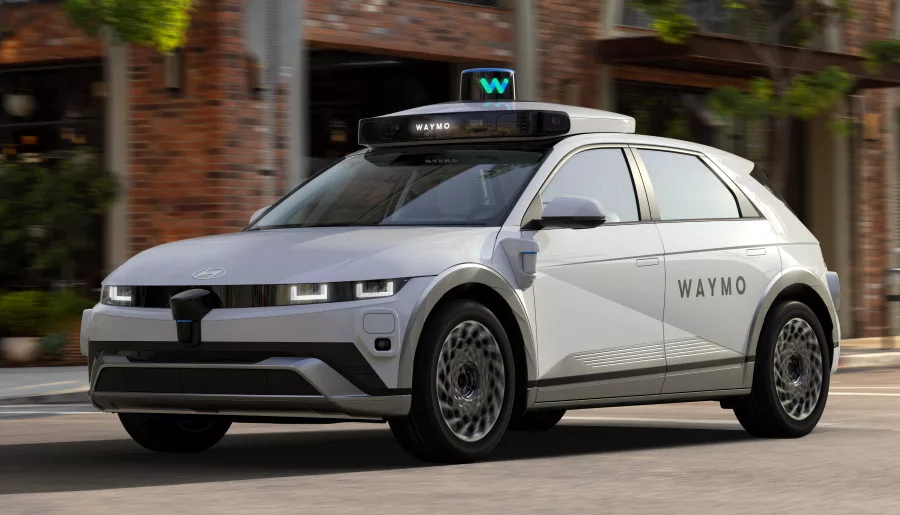
Photo courtesy Waymo LLC
WASHINGTON—The National Highway Traffic Safety Administration’s new Automated Vehicle Framework aims to spur development of self-driving cars and trucks in the United States. The goal is to “promote American automotive ingenuity and strengthen domestic manufacturing while upholding safety,” while preventing “a harmful patchwork of state laws and regulations.”
NHTSA’s AV Framework has three principles:
- Prioritize the safety of ongoing AV operations on public roads.
- Unleash innovation by removing unnecessary regulatory barriers.
- Enable commercial deployment of AVs to enhance safety and mobility for the American public.
“This Administration understands that we’re in a race with China to out-innovate, and the stakes couldn’t be higher,” says U.S. Secretary of Transportation Sean Duffy. “As part of DOT's innovation agenda, our new framework will slash red tape and move us closer to a single national standard that spurs innovation and prioritizes safety.”
NHTSA is expanding the Automated Vehicle Exemption Program to now include domestically produced vehicles. The change was announced via an open letter to AV developers.
“We are enabling AV manufacturers to develop faster and spend less time on unnecessary process, while still advancing safety,” explains Peter Simshauser, chief counsel at NHTSA. “These are the first steps toward making America a more welcoming environment for the next generation of automotive technology.”
Looking for quick answers on assembly and manufacturing topics? Try Ask ASM, our new smart AI search tool. Ask ASM
Looking for a reprint of this article?
From high-res PDFs to custom plaques, order your copy today!


.webp?height=200&t=1754511706&width=200 "Ford Long Beach.jpg")