Assembly Lines
From Machine Operators to Managers, Manufacturers Shift Hiring Priorities
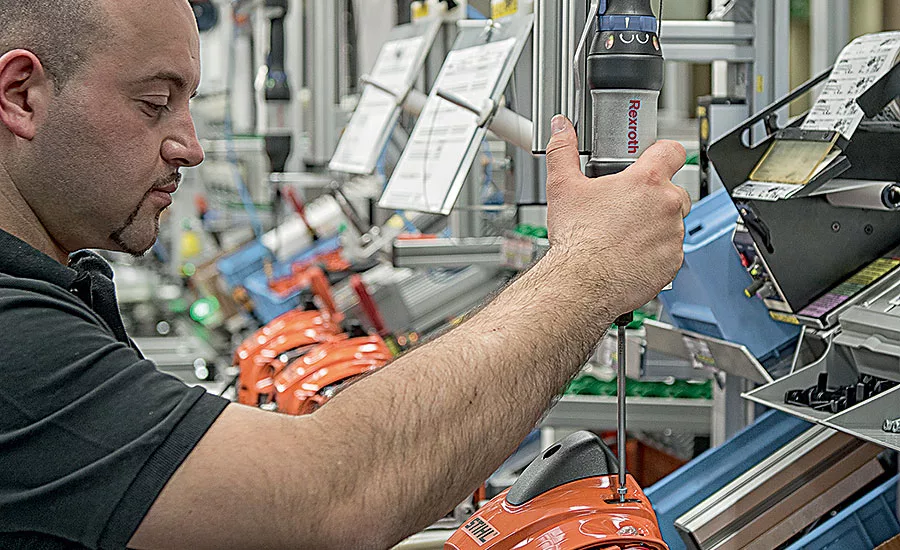
ATLANTA— Manufacturers are entering 2026 facing a tightening labor market marked by an aging workforce, persistent skills gaps and hundreds of thousands of unfilled jobs.
Data from the Bureau of Labor Statistics shows nearly half a million manufacturing positions remain open nationwide. In response, manufacturers are rethinking how they staff operations, placing greater emphasis on flexibility, cross-training and workers who can move across roles as production demands shift.
That shift is accelerating as automation, artificial intelligence and digital systems become more deeply embedded on the factory floor. Nearly 85% of manufacturers say they plan to prioritize digital transformation over the next year, increasing demand for technicians, engineers, analysts and digitally fluent frontline workers who can operate and maintain advanced equipment.
Labor market data from Randstad USA and Lightcast.io highlight how job demand in manufacturing is evolving alongside these changes. While traditional production roles remain essential, employers are increasingly seeking candidates who combine hands-on skills with technical aptitude and problem-solving ability.
Among the most in-demand manufacturing roles heading into 2026 are machine operators, who monitor and run production equipment and remain a critical entry point into the industry. Production supervisors continue to be sought after as manufacturers focus on improving efficiency, coordinating labor and maintaining output with leaner teams.
Rounding out the top five most in-demand jobs, according to Randstad, are assemblers, production workers, and production managers. All of these roles are increasingly becoming entwined with AI processes as factories adopt new technologies.
Quality-focused roles are also growing in importance. Quality inspectors and quality control technicians are increasingly needed to ensure products meet regulatory and customer requirements as production systems become more complex and automated.
Looking for quick answers on assembly and manufacturing topics? Try Ask ASM, our new smart AI search tool. Ask ASM
At the same time, skilled trades such as machinists and welders are in particularly high demand as manufacturers seek precision capabilities and infrastructure expertise.
Taken together, the data suggest that while manufacturing employers continue to hire for core production roles, the definition of those jobs is changing. As digital tools, robotics and connected systems spread across factories, the most competitive workers will be those who can combine technical skills, adaptability and cross-functional knowledge, helping manufacturers operate more efficiently despite ongoing labor constraints.
Looking for a reprint of this article?
From high-res PDFs to custom plaques, order your copy today!