Honda Rethinks EV Production Strategy
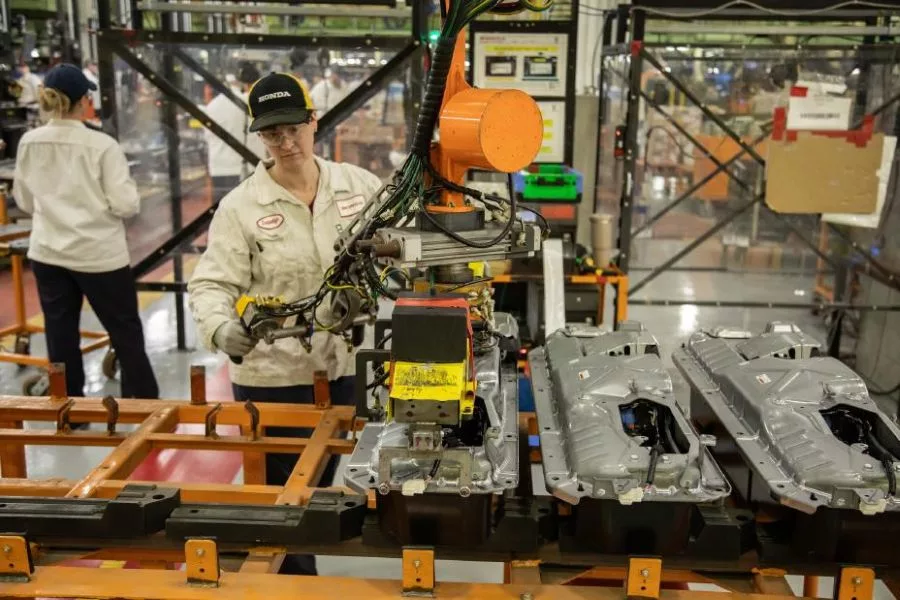
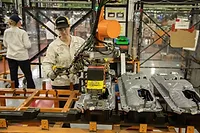
Honda is curtailing plans to produce several new electric vehicles in the United States. Photo courtesy Honda Motor Co.
TOKYO—Honda Motor Co. is the latest automaker to rethink its electrification strategy. It has decided to cancel plans to mass-produce three electric vehicles in the United States “due to various factors, including recent changes in the business environment.” According to reports, the move could cost the company up to $15 billion.
Honda claims that the profitability of its automobile business is currently declining primarily because of “the unfavorable impact of changes in U.S. tariff policies on the gasoline and hybrid vehicle business, and a decline in the competitiveness of Honda products in Asia due to the impact of the allocation of more resources to EV development.”
The expansion of the once-booming EV market in the U.S. has slowed down due to the easing of fossil fuel regulations and revisions to incentives.
Honda’s business decision is a blow to the state of Ohio, which is home to the automaker’s flagship assembly plant in Marysville. It also operates an assembly plant in East Liberty, an engine factory in Anna and a transmission plant in Russells Point. A Republican governor has run Ohio for the past 20 years, but the Honda news could have an impact on the state’s much-anticipated election in November.
Looking for quick answers on assembly and manufacturing topics? Try Ask ASM, our new smart AI search tool. Ask ASM
Looking for a reprint of this article?
From high-res PDFs to custom plaques, order your copy today!