$100 Billion AI Fund Could Reshape Manufacturing and Product Development
BIRMINGHAM, Mich. — Jeff Bezos is reportedly in early discussions to raise a $100 billion investment fund aimed at applying artificial intelligence across manufacturing, targeting sectors such as semiconductors, aerospace and defense.
The proposed fund is described in investor documents as a “manufacturing transformation vehicle” that would acquire companies and deploy AI technologies to improve automation and efficiency across industrial operations.
Bezos is expected to use technology developed through Project Prometheus, an AI startup where he was recently appointed co-CEO, to enhance performance and profitability across companies in the fund’s portfolio.
Project Prometheus is focused on developing artificial intelligence systems for use in engineering and manufacturing applications, including designing and producing complex products such as computers, automobiles and aerospace systems.
If realized, the fund would be one of the largest buyout vehicles of its kind and reflects growing interest in applying artificial intelligence to manufacturing and other industrial sectors.
Companies are increasingly creating virtual models of factory operations to test layouts, predict failures and improve throughput before making changes on the shop floor.
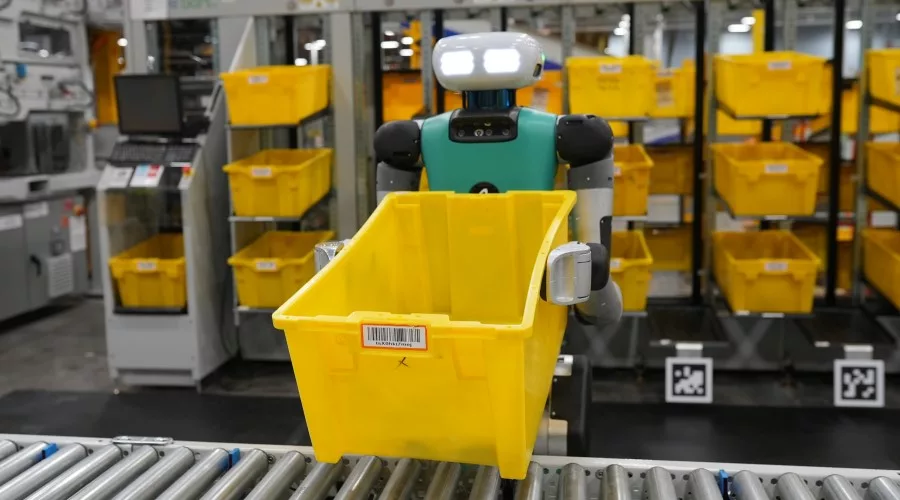
AI is also being applied beyond design to improve manufacturing operations, including automated inspection, process optimization and material handling. These applications aim to increase production efficiency while reducing variability and unplanned downtime.
Looking for quick answers on assembly and manufacturing topics? Try Ask ASM, our new smart AI search tool. Ask ASM
The scale of the proposed investment reflects growing interest in applying AI to physical production systems. While software has historically driven much of the digital economy, manufacturing represents a significantly larger share of global economic activity, creating a substantial opportunity for AI-driven productivity gains.
Industry observers say the shift toward AI-enabled manufacturing could accelerate product development and expand output across advanced manufacturing sectors. However, it may also require changes in workforce skills, as engineers and technicians shift from manual testing and validation toward system-level design, data analysis and process optimization.
The initiative reflects a broader trend of integrating artificial intelligence into manufacturing systems, where companies are increasingly combining simulation, automation and real-time data to improve production performance and shorten time to market.
Looking for a reprint of this article?
From high-res PDFs to custom plaques, order your copy today!