All things being equal, most U.S. consumers would prefer to buy products that are made in the USA. So when a company claims a product is made in this country when it's not, it can get burned.
In my last column, we looked at the reasons why U.S.-made products resonate with consumers. Studies found a preference for U.S.-made products when concerns about quality, safety and durability were high.
Studies show that Americans prefer U.S.-made products, and that this preference can help bring manufacturing back home. But can we turn consumer preference into purchases?
NEW YORK—A survey by product sourcing specialist Thomas shows that 61 percent of Americans prefer products made in America. The results are included in the organization's “Manufacturing Perception Report,” which examines Americans’ views about the manufacturing industry.
WASHINGTON—New orders for U.S.-made goods rose more than expected in March, boosted by strong demand for transportation equipment and a range of other products, but there are signs that business spending on equipment is slowing, the Commerce Department said last week. Factory goods orders rose 1.6 percent, Data for February was revised up to show orders jumping 1.6 percent instead of the previously reported 1.2 percent increase.
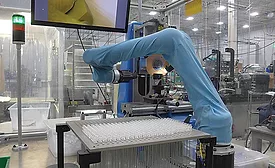
Needles are one of the most basic and least glamorous types of medical devices. But, every day, doctors and nurses rely on "sharps" to administer medicine, draw blood, conduct biopsies and perform many other vital medical procedures.