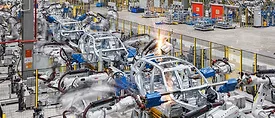
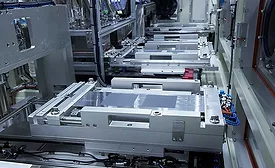
Whether building new production lines or converting existing internal combustion engine assembly plants to produce electric vehicles, automakers need a broad array of flexible, open and proven automation technologies.
Lightweighting can improve the strength, stability and performance of electric vehicles. To address the challenge, automakers are exploring new materials that boost operating range, one of the biggest hurdles to widespread EV acceptance.
Engineers at Stanford University have developed a new way to make lithium-ion battery packs last longer and suffer less deterioration from fast charging. It could enable electric vehicle batteries to handle more charge cycles and last longer.
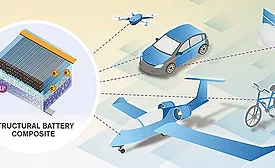
Lightweight batteries will be one of the next big breakthroughs in EV technology. One possibility that intrigues engineers is structural batteries, which can be built into the structure of a vehicle’s body or chassis to fulfill load-bearing needs while producing power.
In recent years, most efforts to develop autonomous vehicles have focused on last-mile delivery, driven by the rapid rise of e-commerce. The goal is to create machines that can deliver food and small packages directly to consumers in an affordable, quick, reliable and safe manner.
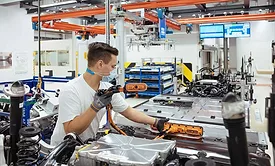
Vehicle production plants are undergoing a massive transformation as automakers evolve from internal-combustion engines (ICE) to battery power. While EVs use fewer parts overall, those components tend to be heavier than their ICE equivalents. That demands new ways to deploy robots on assembly lines.
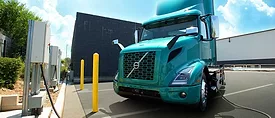
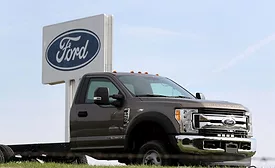
Heavy- and medium-duty trucks are one of the hottest segments of the electric vehicle industry today. Both legacy manufacturers and start-ups are scrambling to develop battery-powered machines. Vehicles are slowly starting to roll off assembly lines, but this new class of truck is expected to dominate the market within the next 15 years.
Electric vehicle cable harnesses are a hot topic in the wire processing industry today. It’s an exciting market that’s changing rapidly as new techologies emerge.
Solid-state batteries use solid electrolytes, not liquid, which results in a higher energy density than traditional lithium-ion chemistries. After years of development, they promise to be the next big trend in electric vehicle technology.