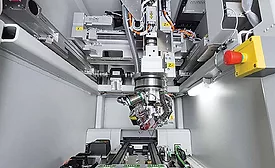
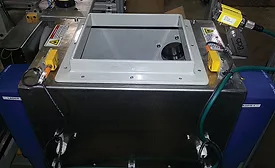
To handle simple material handling tasks in automated workcells, engineers typically opt for linear axes. However, assembling multiple linear axes into a Cartesian motion system can be a time-consuming process. You must connect each module to the next one, assembling subcomponents as you go, then wire each module, connect each axis to an external controller, and finally program the system.
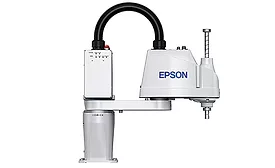
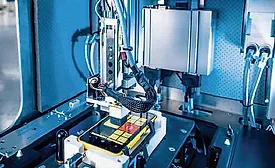
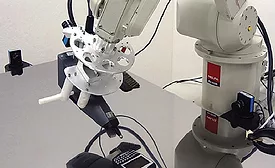
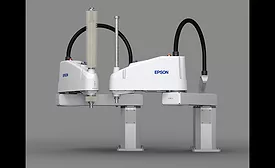
The ASSEMBLY Show played host to more than 30 suppliers of robots and robotic accessories. The following are some of the robotic technology that were seen on the show floor.
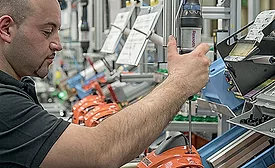
A wide range of ready-to-install components and subassemblies enable manufacturers and integrators to quickly build custom automated assembly machines.
At some point during a philosophy 101 class, college students learn about Aristotle’s belief that the best way to understand something is to break it down to the smallest components. For an increasing number of manufacturers and integrators, however, the best way to assemble a product is to use a machine built with modular automation components that quickly and easily fit together.
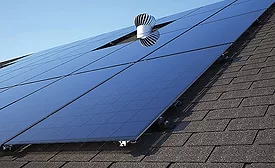
Traditional solar panel installations require expensive and time-consuming assembly of custom mounting systems on a roof, which can ultimately slow adoption.
Today’s typical automobile features nearly 100 exterior and interior sensors, with the number likely to increase in the near future. Those located on the outside (axle load, steering angle, blind spots, air temperature, etc.) require special protection from the elements and unique production methods.
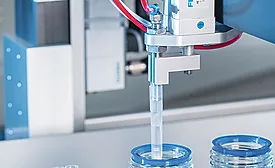
The advent of laboratory automation systems has made a significant impact on clinical diagnostics, drug discovery, food and agricultural research, and forensics.
In tough economic times it is even more important to find efficient, cost effective ways to improve assembly processes and to make sure they save you time and money.