NEW YORK—Trump says the higher tariffs are vital to defending U.S. industries and national security from a flood of cheap foreign metals, especially from China.
TORONTO—Unifor, Canada’s largest private sector union, is calling on the federal government to take decisive action against corporations that relocate Canadian jobs in response to U.S. trade pressures.
The cut in production will affect approximately 700 employees.
May 5, 2025
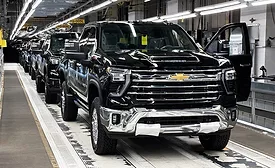
OSHAWA, ON—The General Motors assembly plant here will go from a three-shift operation to a two-shift one due to softening demand and trade-related challenges.
AURORA, ON—Magna International views the financial and logistical threat of tariffs as an amalgamation of every major crisis the auto industry has faced in the past several years.
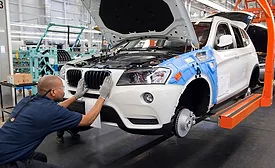
SPARTANBURG, SC—“Plant Spartanburg is not just an assembly plant,” a company spokesperson said. “It is a cornerstone of our global production network and a major driver of economic growth in the United States. We export more vehicles from the U.S. than we import into the country.” The plant manufactures the X3, X3 M, X4, X4 M, X5, X5 M, X6, X6 M, X7, and XM models.
Reciprocal, retaliatory, uncertainty—these words now dominate discussions about tariffs, once a distant trade issue but now a daily concern. Companies across industries are scrambling to understand their implications and devise action plans. The big question on everyone’s mind? How do we protect margins and stay competitive in a tariff-driven economy?