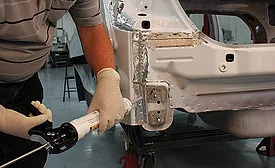
The main objective for manufacturers of commercial transportation equipment is to profitability build high-quality products. One way to meet this objective is to assemble trailers and truck bodies with advanced structural adhesives and seam sealers.
Whether it’s an automotive application or an electronics application, engineers are increasingly looking for adhesives that offer high performance at high temperatures.
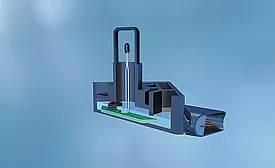
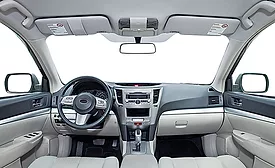
Once a lagging market segment, automotive electronics has gained significant importance in recent years, as the industry, the culture and consumer expectations have changed. Safety and regulatory requirements for vehicles have increased, manufacturers have new warranty requirements, and what used to be “luxury” features are now expected to come standard with a new car.
Rapid change has become the norm in today’s marketplace. With it comes even greater pressure for new technologies to accommodate manufacturing needs to fulfill the consumer demand now and in the future.
It may not be as “sexy” as a robot or a high-speed automated assembly system, but one of the most interesting new products introduced at the show last fall was actually an adhesive.
Increasingly, designers of both these aircraft and ground transportation vehicles-such as cars, trucks, buses, trains, subways and light rail-are using innovative adhesives in place of traditional fasteners to withstand harsh environments.
Structural adhesives are designed to bond metal to metal or to plastic, fiberglass or other substrates. Typical adhesives include two-component epoxies or modified acrylics.