Mississippi has a robust manufacturing sector that includes world-class companies such as Airbus Helicopters, GE Aviation, Ingalls Shipbuilding, Nissan, Northrop Grumman, Toyota and Viking Range. It’s also home to a world-class organization at the University of Mississippi.
From its headquarters in Altheim, Austria, Wiesner-Hager Möbel GmbH serves customers worldwide as one of Europe’s most successful seating furniture manufacturers.
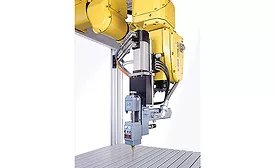
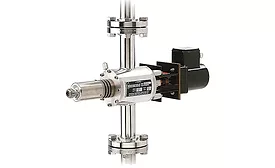
Manufacturers that use adhesives and sealants to assemble their products know how critical it is for these materials to be dispensed with accuracy and repeatability.
Large companies and small towns are sometimes a perfect fit. The most well-known example of this is Wal-Mart Stores Inc., which is the world’s largest retailer but is headquartered in tiny Bentonville, AR.
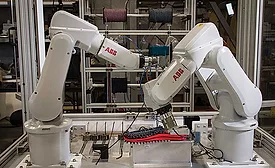
Most manufacturers are keen on automating production, so long as it can be done cost-effectively. This goal applies as well to KEEN Inc., a Portland, OR-based company that makes outdoor and lifestyle footwear.
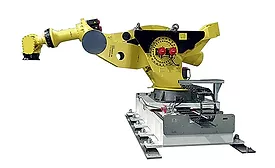
What does a manufacturer do if it needs to increase production, but its robot’s range limit has been reached and space limitations prevent the addition of a second robot?
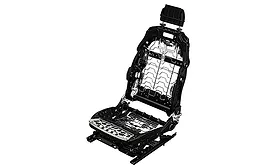
Seating is something that most people never think about when they get behind the wheel. But, it plays an important role in overall customer satisfaction.
Later this month, Donald Trump will be sworn in as the 45th president of the United States, and a raft of policy changes are sure to come. Among others, the president-elect has vowed to roll back proposed regulations covering power plant emissions, contending that they will hurt the economy and put U.S. industries at a competitive disadvantage.
In our last column, we discussed how “total cost of ownership” (TCO) could reveal the hidden costs of offshoring and quantify the real profit and loss impact of reshoring or offshoring.
 RSS
RSS