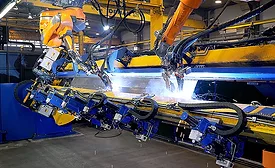
A persistent theme in the business press is the presence of a skills gap in America. Thousands of U.S. manufacturing jobs are unfilled because there are simply not enough qualified workers.
In our last column, we identified national policies that will help bring manufacturing back from offshore, thereby improving the country’s economy, employment and budget deficit.
It is rare for CEOs of competing airlines to be passengers on the same flight. But, that’s exactly what happened June 3, 2016, on SWISS Airlines’ flight BBA505, from Dublin to Zurich.
Approximately 2 percent of adults aged 45 to 54 have disabling hearing loss. That rate increases to 8.5 percent for adults aged 55 to 64, 25 percent for those aged 65 to 74, and 50 percent for those who are 75 and older.
Workforce diversity, both in leadership and the rank-and-file, is one of those ideals to which companies aspire without needing a true “business” reason.
Robots are used in many large hospitals to deliver supplies and assist doctors with delicate surgical procedures. In the future, robotic surgery will become the routine rather than the exception.
In every manufacturing industry, tradition is becoming less important. Companies no longer assume that what worked in the past will be enough to keep and gain customers. Instead, they look to the latest technology to improve manufacturing processes, optimize product quality and expand their customer base.
 RSS
RSS