The author of numerous books on project management, Jon has held engineering and management positions at Volvo Trucks, PACCAR and other companies. Email Jon at jon.quigley@valuetransform.com
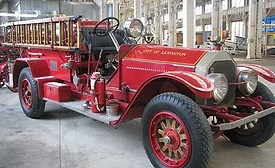
The things I did when I was a kid or young adult are things I would not consider doing as an adult—well, most of them anyway. I started my exploration of transportation equipment with a tricycle.
Recently, I hired professionals to cut down some large, dead trees near my house. I then used a chainsaw to cut the trees into smaller, moveable pieces that I could chop for firewood.
We take for granted that our supply chains will deliver the products we desire, or at least we once did. We don't care about their complexity. How could there be complexity? They have always delivered reliably.
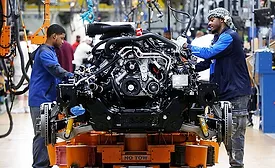
First-pass yield is an important manufacturing metric. It measures the effectiveness of a process and provides an indication of how well we are eliminating waste.
I am fortunate to have had a lengthy career of more than 30 years. I have held a variety of product development positions, and these experiences have influenced my thinking about how best to get things done.
What is it about running in and saving the day, like in old Westerns, that individuals and companies enjoy? We may say that we would rather not have such drama on the shop floor, but all too often we set ourselves up for it in the end.
The story I am going to relate is true. However, since it is not very flattering, it has been sanitized to prevent finger-pointing. I’m telling this story because you may find yourself in the same circumstances when managing your supply chain, especially one distributed across the globe.
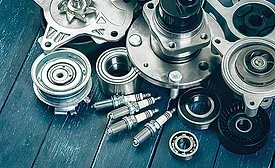
If you have been around for a while, you may recall the "Parts is Parts" commercial from the Wendy's fast-food chain. As bad as the "parts is parts" idea is for chicken sandwiches, it's equally bad for manufacturing.
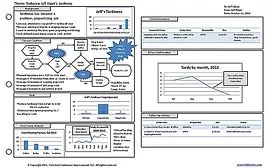
In an earlier article, we dissected the project scope and explored the work breakdown structure (WBS). The WBS is the disaggregation of the scope into the work products that are required to meet the defined scope. Now, we are going explore setting about doing the work, from a schedule, or perhaps we will not even build a schedule.