JJ joined ASSEMBLY Magazine in 2026. He has over a decade of writing and editing experience. As a lifelong learner, he particularly enjoys covering topics that are new to him and likes to keep up on emerging trends.
On paper, many manufacturing facilities are high-performing operations, but research shows that even in the most well-run environments, frontline workers don’t always feel engaged, empowered or confident in their day-to-day performance. So where are manufacturers getting the workplace right, and where are they falling short when it comes to how employees actually experience the plant?
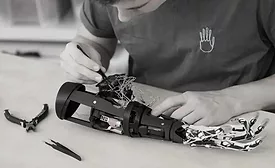
BUDAPEST, Hungary — Allonic, a robotics manufacturing startup founded in Hungary with a joint U.S. headquarters, has raised $7.2 million in pre-seed funding to develop an automated production platform aimed at speeding the manufacture of advanced robotic hardware.
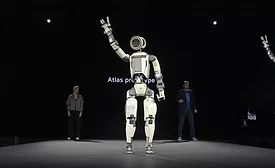
SEOUL, South Korea — Hyundai Motor Group said it will invest $86.7 billion through 2030 to become a global leader in robotics and physical artificial intelligence. The plan includes the creation of a dedicated robotics training complex in Georgia.
FREMONT, Calif. — Tesla plans to end production of its Model S and Model X vehicles and convert part of its Fremont factory into a robot-manufacturing operation capable of producing up to 1 million Optimus humanoid robots per year, CEO Elon Musk said during the company’s fourth-quarter financial report.
DEARBORN, MI—Ford Motor Co. and China’s Geely Auto are in preliminary discussions for a potential partnership that could see Ford’s excess production capacity in Europe used to build Geely vehicles, sources familiar with the talks told Reuters.
AUBURN HILLS, Mich. —
Stellantis is likely to record its first annual loss since its creation in 2021, following an unexpectedly large write-down of $26 billion linked to what it described as an overly ambitious electrification strategy.
WASHINGTON — The Supreme Court on Friday struck down a significant portion of President Donald Trump’s tariff program, ruling that the federal law he relied on does not authorize the president to impose broad import duties without congressional approval.
CAMBRIDGE, Mass. — Harvard researchers have developed a 3D-printing method that could make it easier to build soft robots designed to bend, deform and grip in predictable ways.
Nashay Naeve, president of the Engineered Plastic Components business unit at Tsubaki Nakashima, breaks down why manufacturers are still struggling to fill roles, what leaders can change immediately to reframe the industry and how modern operations are reshaping what manufacturing careers actually look like.