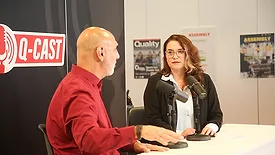
Trisha Epp, Director of Innovation at Freelancer, explains how a NASA-tested, crowdsourced approach to solving technical challenges is now available to manufacturers.
SAN FRANCISCO—After more than a decade of testing inside federal agencies, a crowdsourced innovation model that has delivered faster and cheaper engineering solutions for NASA and other government organizations is now being opened to manufacturers.
LONG BEACH, CA—Galorath Inc. has launched SEERai, a new agentic AI platform engineered to deliver secure, traceable and audit-ready cost, schedule and risk insights for manufacturing, aerospace, defense and IT programs. SEERai converts natural-language project data into structured outputs in a matter of hours.
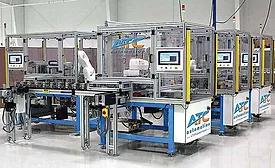
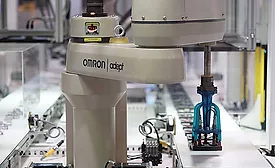
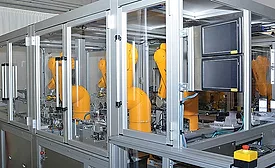
When manufacturers begin exploring automation, they often jump straight to the most complex challenge on their production line. But starting with a more straightforward application is much better way to go.
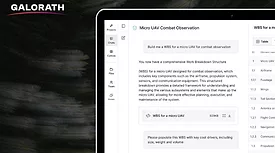
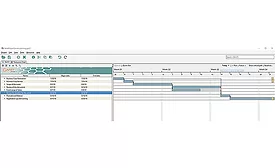
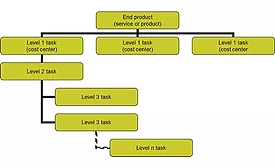
In an earlier article, we dissected the project scope and explored the work breakdown structure (WBS). The WBS is the disaggregation of the scope into the work products that are required to meet the defined scope. Now, we are going explore setting about doing the work, from a schedule, or perhaps we will not even build a schedule.
The fundamental start of any project is a scope of work document, which specifies what we want the project to achieve. The project scope may start out broadly described based upon business objectives, but it will become increasingly detailed over time.
In my first postcollege job, I was a manufacturing engineer for Cummins Engine Co. in Columbus, IN. Two weeks into the job, my boss came to me with a project to purchase an industrial wash system, and I leaped at the opportunity. It was a disaster.
When manufacturing engineers are tasked with automating a process that is currently done manually, their main question for an automation supplier is, "Have you ever automated this specific process before?"
Your company has just decided to add a new product to the lineup, and now it's up to you to purchase a new assembly line. No worries. It's just like buying something on Amazon, right? You search for a product with at least a four-star rating. You browse a couple reviews. A few clicks later, you're all set.
Project quality and product quality are different things, but they are inextricably linked—or they should be. It is possible for a project to seem successful and deliver the anticipated result, only to find out later the product is not what was expected.